
Telecom base stations
House communications, power and battery equipment in a serviceable outdoor enclosure.
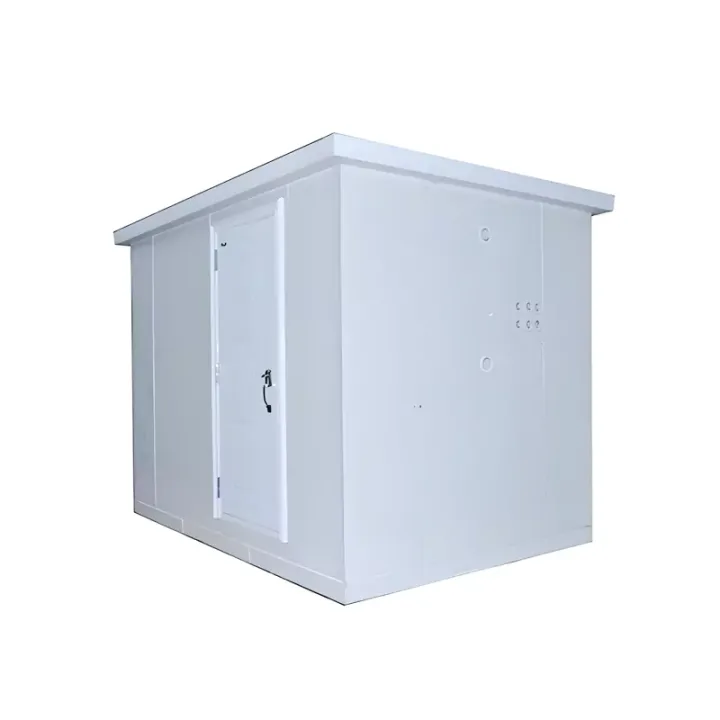
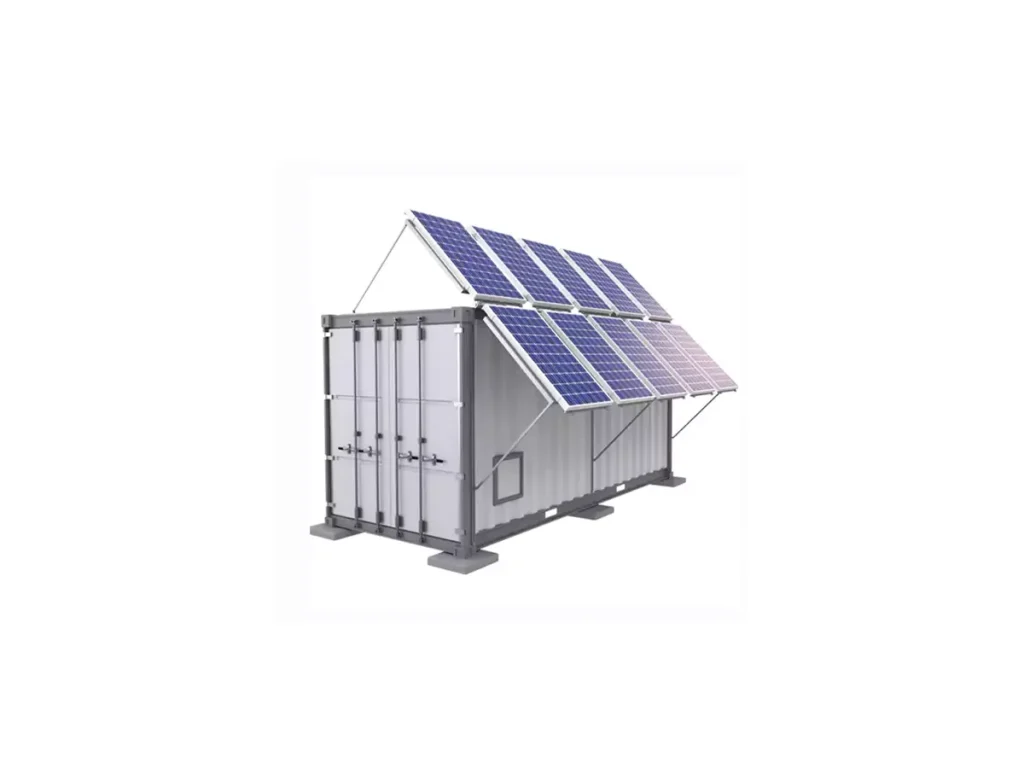
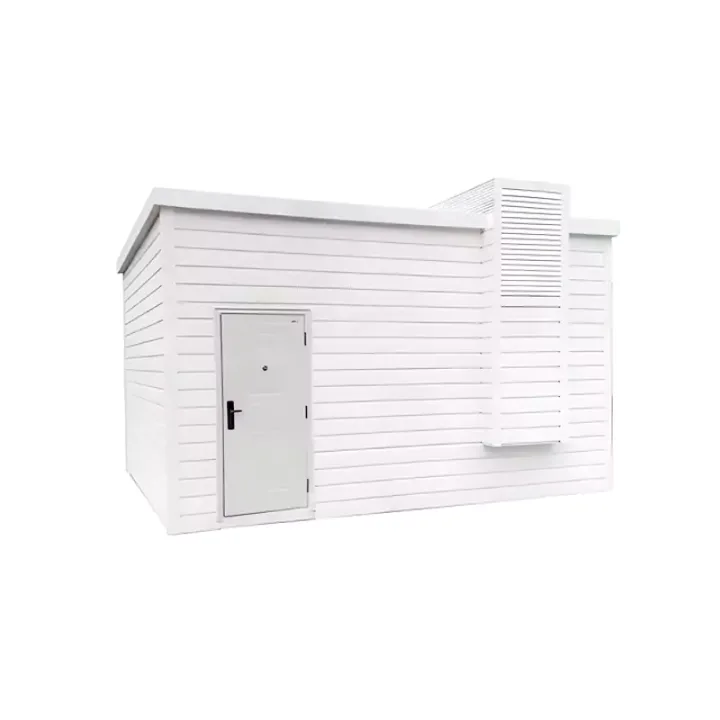
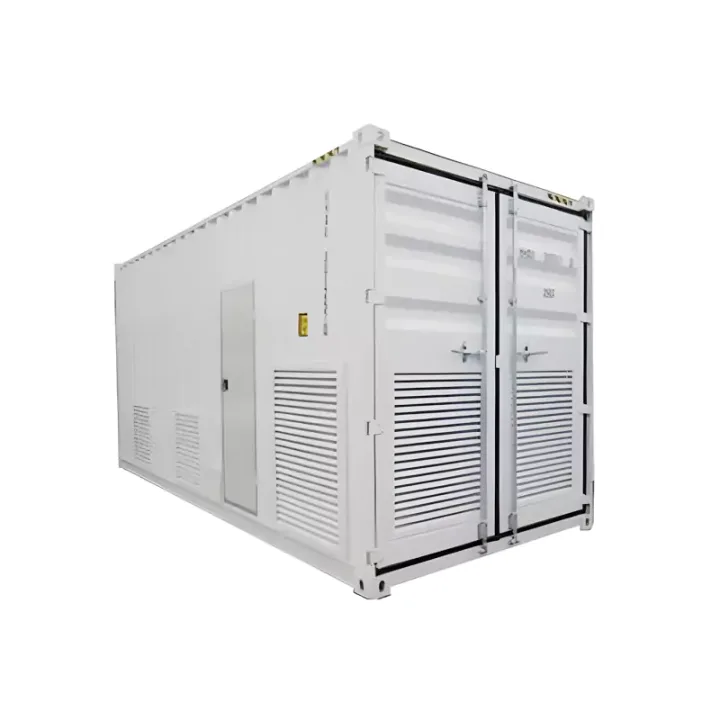
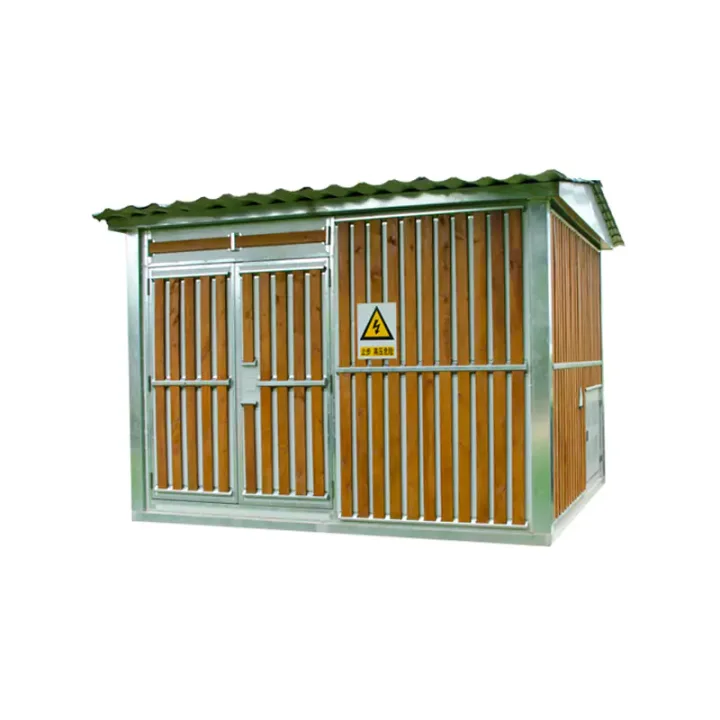
A configurable outdoor shelter for communications and edge equipment, coordinating racks, power, batteries, monitoring and thermal management with the site's access and environmental requirements.
The source scope includes equipment, system power, AC/DC distribution, monitoring, thermal management, batteries and lightning-protection grounding. Metal or non-metal enclosures are described, with fully assembled or modular assembly delivery arrangements available for project review.
The 5G Edge Computing Equipment Shelter provides an outdoor location for communications and associated computing equipment with supporting power and environmental systems. It brings the enclosure and site-support functions into a single layout so rack space, service access and heat removal can be reviewed together.
The available record does not define server capacity, cooling output or fixed shelter dimensions. A deployment should begin with the actual equipment schedule and service requirements rather than an assumed computing density.
Huijue Group can review OEM edge-equipment shelters, private labeling and customer sample or drawing requirements. Structural feasibility, tooling, integrated tests, order quantities and delivery/assembly scope require confirmation for the selected equipment density.
Send the rack floor plan, electrical and heat-load schedules, required alarms, battery autonomy and transport/access survey.
| Configuration | Project-specific; confirm requirements before quotation. |
State ambient temperature, humidity, solar exposure and corrosion conditions. Any requested ingress, fire or structural rating must be established in the project specification.
Buyer Questions
Answers specific to 5G Edge Computing Equipment Shelter selection, configuration and purchasing.
The record does not establish a fixed computing or cooling capacity. Provide equipment power and heat data to size the integrated systems.
Fully assembled and modular arrangements are described. Confirm the delivery state from route limits, lifting access and installation responsibilities.
Use the deployment context to narrow the configuration before comparing dimensions, capacities and options.
House communications, power and battery equipment in a serviceable outdoor enclosure.
Protect distributed equipment while maintaining cable entry and service access.
Coordinate cabinet capacity, thermal management and equipment zoning.
Fit protected infrastructure into space-constrained or visually sensitive locations.
Before quotation: confirm capacity, interfaces, installation environment, power conditions, quantity and required options.