
Telecom base stations
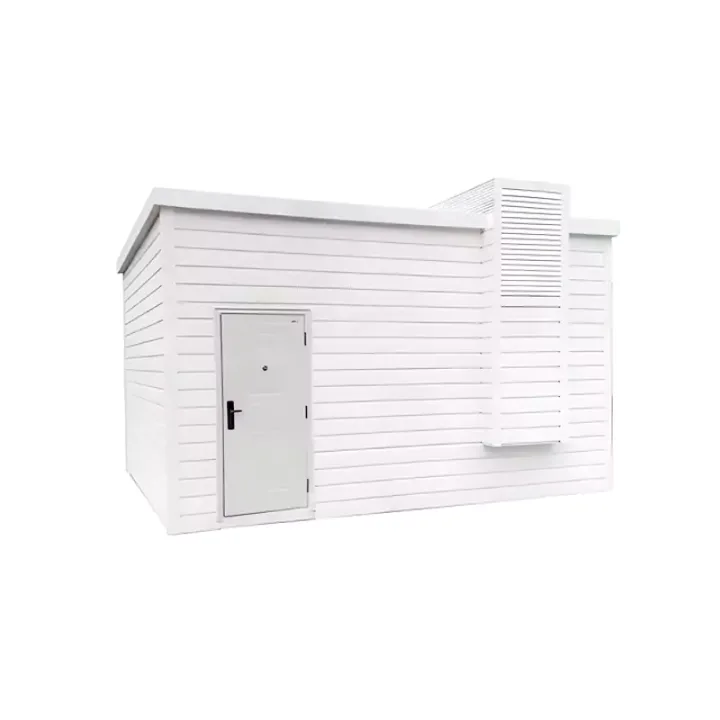
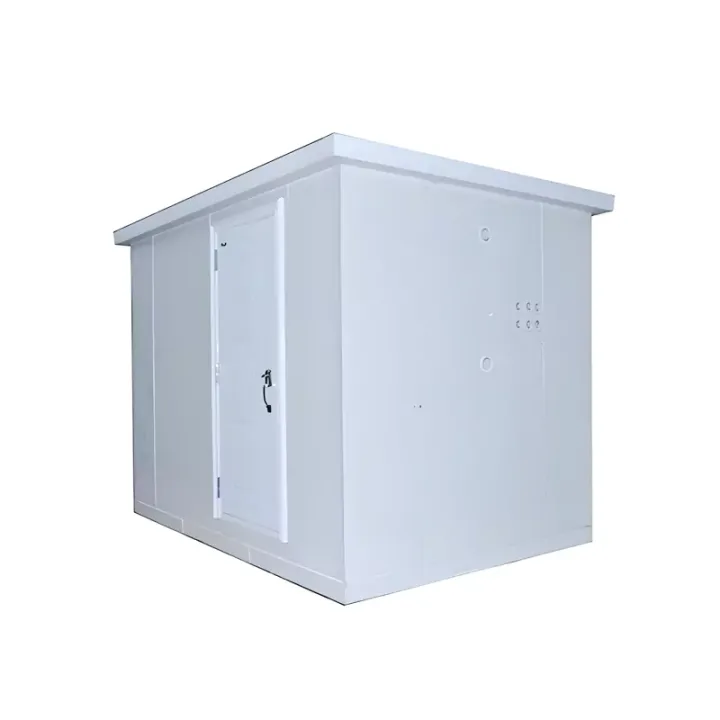
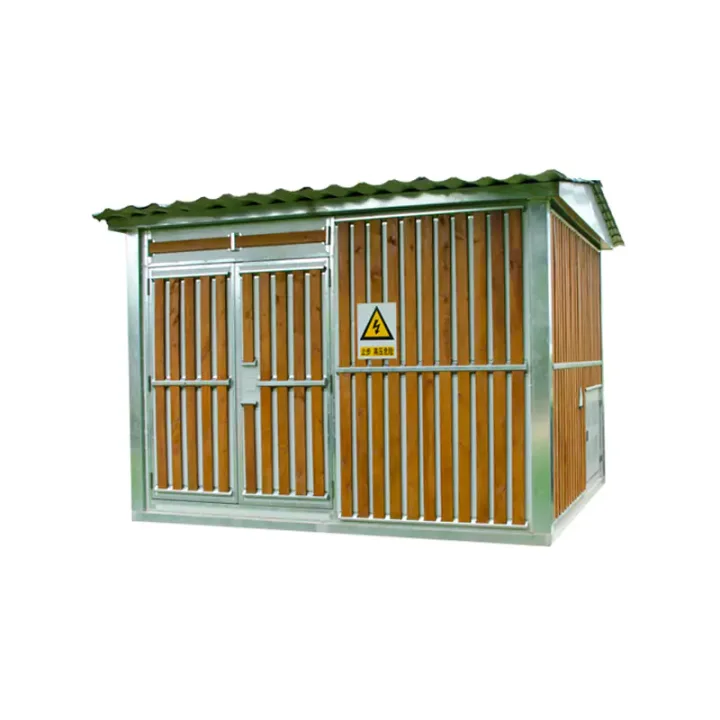
House communications, power and battery equipment in a serviceable outdoor enclosure.
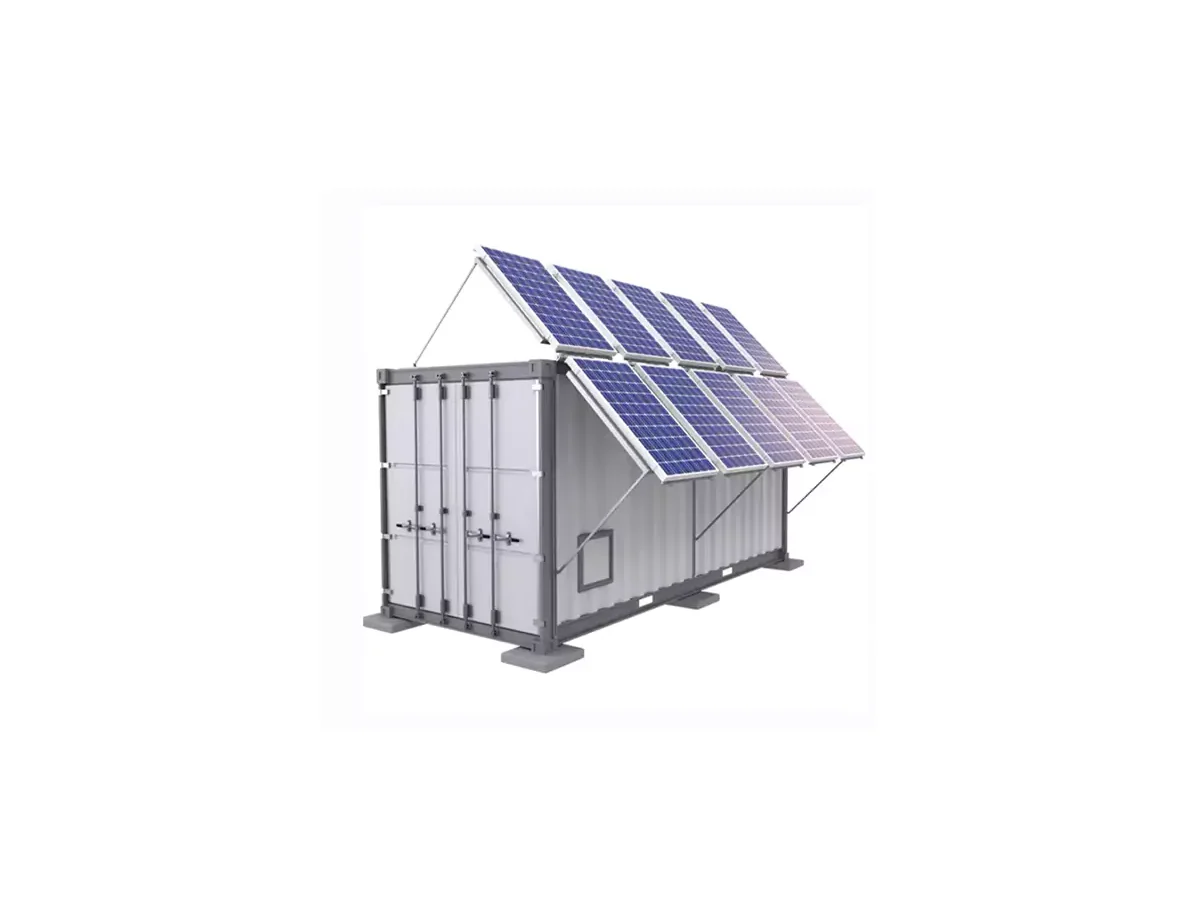
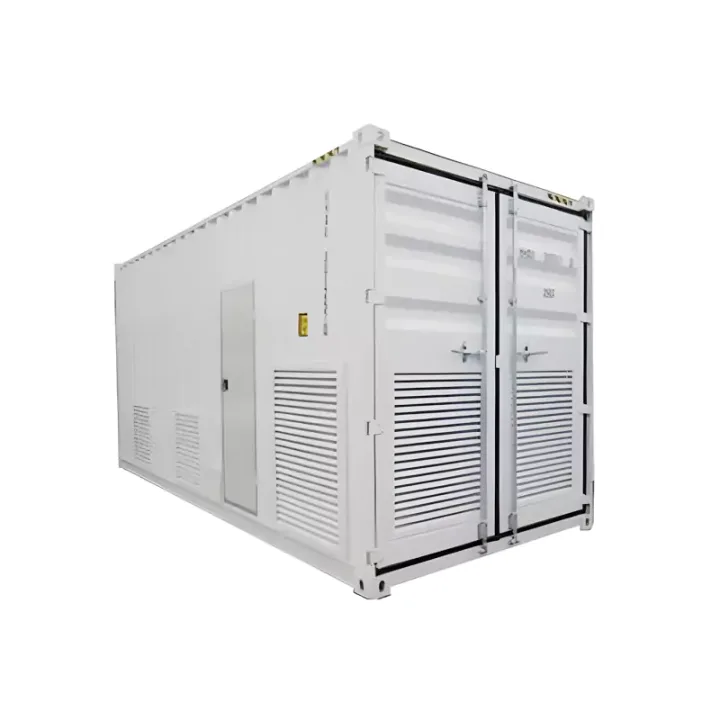
A 10-foot or 20-foot communications container combining equipment space with photovoltaic generation, battery storage and optional diesel support for remote outdoor site infrastructure.
The containerized telecom site energy system combines an equipment enclosure with site energy functions for remote communications deployments. Choosing the container requires balancing rack space, peak load, generation resources and battery reserve rather than selecting storage capacity in isolation.
The HJ-SG-10 reference uses a 10-foot format with 3.6 kW PV and 30 kWh storage. HJ-SG-20 uses a 20-foot format with 7.2 kW PV and 50 kWh storage. The actual energy design must be checked against local resource data and the site load profile.
Define continuous and peak DC load, required autonomy and equipment rack layout. Confirm PV module count and array layout from the approved generation design; headline PV capacity and listed module wattage should not be used to infer the final count. Agree HVAC, fire systems, cable entries and lifting provisions.
Huijue Group can assess OEM container stations, private labeling and sample- or drawing-based layouts. Engineering feasibility, tooling, energy and integration tests, quantities and delivery/installation scope need confirmation for the proposed site.
| Model | HJ-SG-10 | HJ-SG-20 |
|---|---|---|
| Container size | 10-foot | 20-foot |
| Photovoltaic capacity | 3.6 kW | 7.2 kW |
| Energy storage | 30 kWh | 50 kWh |
| PV module specification | 610 W | 610 W |
| Maximum DC power | 24 kW | 36 kW |
| Energy sources | PV / storage / diesel | PV / storage / diesel |
Remote base stations, larger outdoor communications sites, transport edge locations and off-grid infrastructure with suitable generation resources and site access.
Plan outdoor placement from climate, corrosion, roof/array exposure and civil requirements. No universal autonomy or energy yield is implied by the reference capacities.
Buyer Questions
Answers specific to Containerized Telecom Site Energy System selection, configuration and purchasing.
Compare equipment space, peak DC load, autonomy and transport access. Storage capacity alone does not determine the appropriate size.
Diesel support is described, but generator supply and interfaces must be confirmed in the project equipment schedule.
Backup duration depends on load, usable storage, conversion losses and operating conditions. Supply the load profile for calculation.
Use the approved array design and bill of materials. The reference capacities do not independently establish a final module count.
Use the deployment context to narrow the configuration before comparing dimensions, capacities and options.
House communications, power and battery equipment in a serviceable outdoor enclosure.
Protect distributed equipment while maintaining cable entry and service access.
Coordinate cabinet capacity, thermal management and equipment zoning.
Fit protected infrastructure into space-constrained or visually sensitive locations.
Before quotation: confirm capacity, interfaces, installation environment, power conditions, quantity and required options.