
Emergency Communications Solutions
Emergency & Transport Communications
Package communications, power, battery, mast, environmental control and field interfaces for temporary, disrupted or rapidly changing service locations.
Planning and configuration
Solution overview
Emergency communications equipment is deployed where the permanent network is unavailable, damaged, overloaded or not yet built. The field package must bring together transport, radio or transmission interfaces, temporary support structures, power, battery backup, grounding, environmental protection and a practical setup sequence. A cabinet that contains the right devices but cannot be moved, connected or serviced at the destination is not a complete emergency solution.
Huijue Group can configure portable cabinets and outdoor equipment packages for disaster response, temporary capacity, transport corridors, construction sites, planned events and restoration work. The exact radio, antenna and network equipment is project-dependent. Our scope is built from the customer’s equipment schedule, interface list and deployment method rather than an assumed universal emergency base station.
Separate mobility from operating capacity
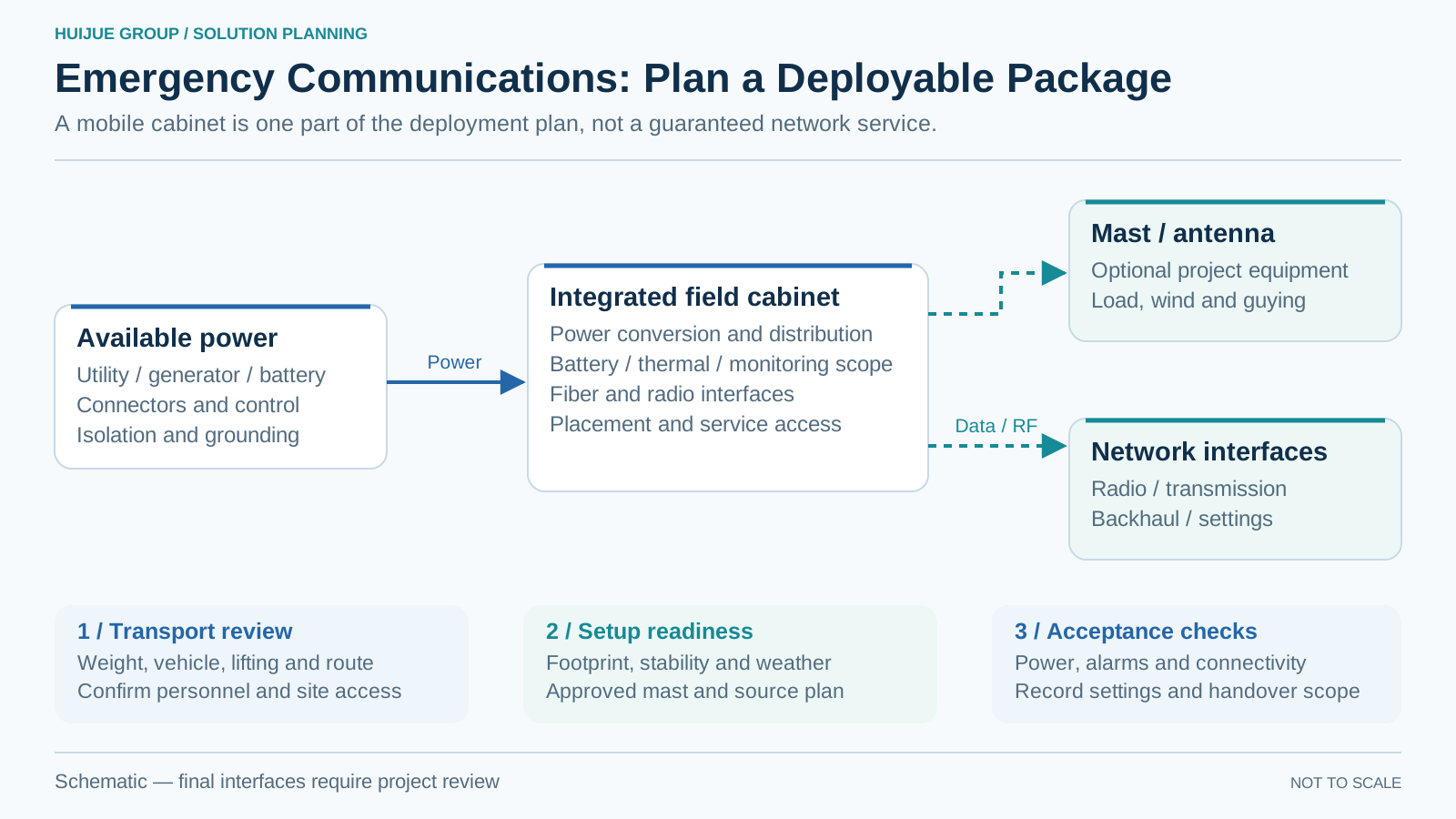
Transport constraints should be defined before the enclosure. Record the available vehicle, loading height, door opening, ramp or forklift access, route surface, personnel and lifting equipment. A wheeled cabinet may move easily on a prepared surface but still require a vehicle or lifting aid for site transfer. Total operating weight must include batteries, power equipment, cables, mast accessories and any devices added by the operator.
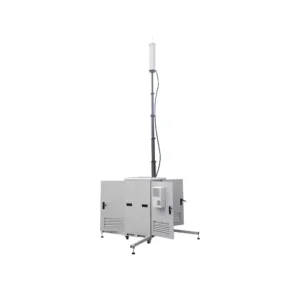
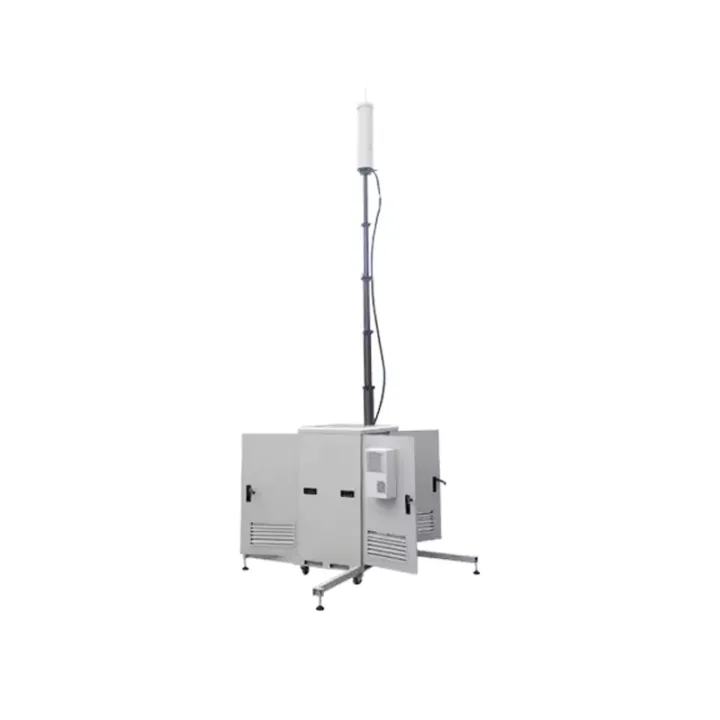
The Mobile Emergency Communications Cabinet is a documented starting platform with casters, stabilizing provisions, a telescopic mast interface and configurable power, cooling, monitoring and battery equipment. Its published configuration includes an embedded telecom power supply, LiFePO4 battery option, fiber and radio interfaces and optional environmental monitoring. The final bill of materials must be confirmed for each deployment.
Define the field operating sequence
- Arrival and positioning: identify a stable working area, confirm clearances and secure the cabinet against movement or overturning.
- Grounding and weather preparation: install the approved grounding arrangement and verify cable entries, doors and temporary weather protection.
- Mast and antenna work: establish the mast load, deployed height, guying or support method, wind limits and safe erection procedure.
- Power-up: connect the agreed utility, generator or other source, verify protection and energize loads in the approved order.
- Network integration: connect optical, radio or transmission links, then verify alarms, traffic and remote management.
- Recovery: isolate sources, lower and secure the mast, inspect cables and return the equipment to its transport condition.
This procedure should be part of the customer’s operating documentation. Site risk assessment, radio licensing, tower or mast safety and local electrical rules remain project responsibilities.
Power and autonomy
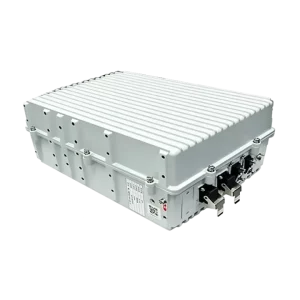
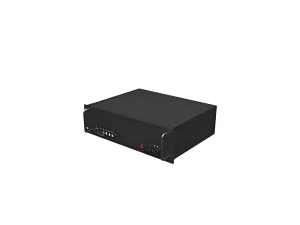
Emergency operation may begin from utility power, a generator or stored energy. Document input voltage, available generator rating, connector type and whether source interlocking is required. The outdoor integrated power supply can support larger field packages, while a rack-mounted communication backup battery may fit defined DC backup needs.
Battery quantity is calculated from the prioritized load and required operating time. Radio, transmission, cooling, lighting and service outlets should not be combined into one unqualified total. If generator refueling or delayed connection is expected, size the fallback period explicitly and define which loads may be shed.
Environmental and communications interfaces
Temporary deployment still requires temperature, water, dust and condensation control. Cooling is selected from internal heat and ambient conditions. Monitoring can include temperature and humidity, smoke, water ingress, door access, power and battery status, with wireless backhaul where specified. Local alarms and safe protective behavior should remain available if the remote link is interrupted.
Optical and RF interfaces must be listed by connector, cable length and endpoint. Fiber ports, antenna feeders, DIN interfaces, patch leads and grounding accessories should be packed and labeled as a deployment set. Standardized external connection points help reduce improvised field wiring.
Transport and corridor applications
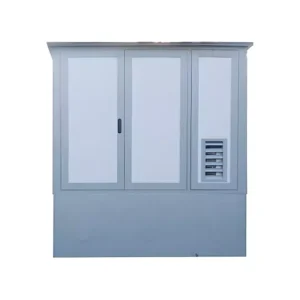
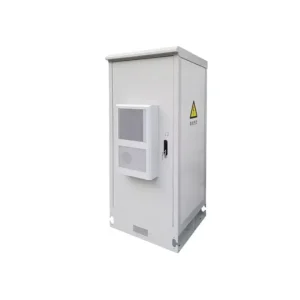
Emergency and transport communications overlap where roadside, railway, utility or industrial projects need a temporary edge node. A more permanent deployment may use an outdoor base-station cabinet or an integrated modular cabinet. The portable configuration is preferred when repeated movement is a core requirement; a fixed enclosure is generally better when long-term environmental exposure and unattended operation dominate.
Customization and inquiry inputs
Huijue Group can review OEM, private-label and drawing-based configurations including cabinet dimensions, mast interface, power branches, connector panels, cable kits, battery space, cooling, sensors, locks, markings and transport accessories. Custom changes remain subject to weight, stability, electrical, structural and manufacturing review.
- Deployment purpose and expected operating duration
- Radio, baseband, transmission and network equipment list
- Vehicle, lifting method, access route and personnel
- Mast, antenna, wind and guying requirements
- Utility, generator and DC input details
- Continuous and peak load plus priority groups
- Required battery autonomy
- Fiber, RF and data connector schedule
- Ambient temperature and weather exposure
- Monitoring, positioning, access-control and remote-link needs
Share the deployment scenario and equipment list so the transport, enclosure and power interfaces can be reviewed as one package.
Product pathways
Related products
Use these products as configuration references. Final model selection depends on the approved project inputs.
Manufacturer support
Review the complete system before fixing the bill of materials
Huijue Group supports OEM, private-label and drawing-based customization subject to engineering review and the confirmed production scope.