
Passive optical distribution
Match splitter or WDM architecture to wavelength plan, ratio, package and insertion-loss targets.
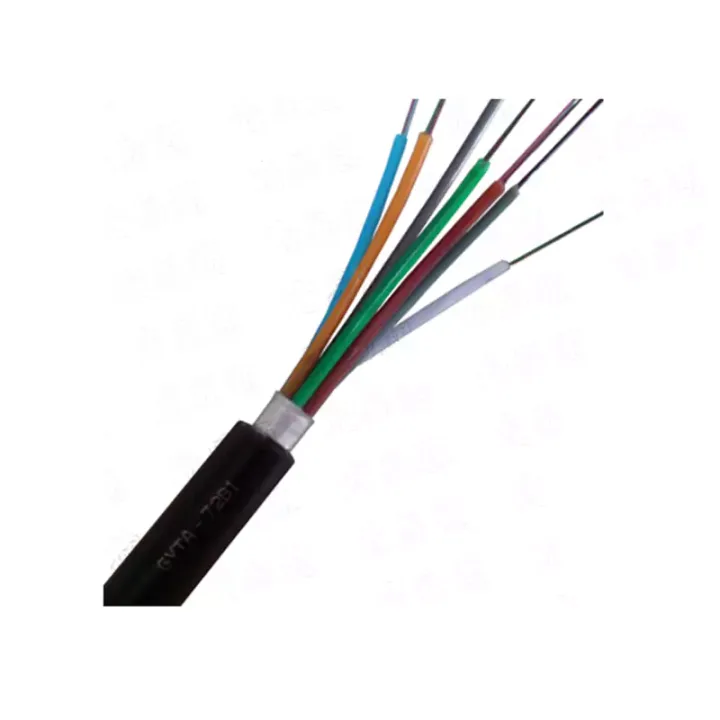
Flexible connectorized indoor armored cable using stainless-steel tube protection and wire braid for crush, tensile and rodent-risk environments.
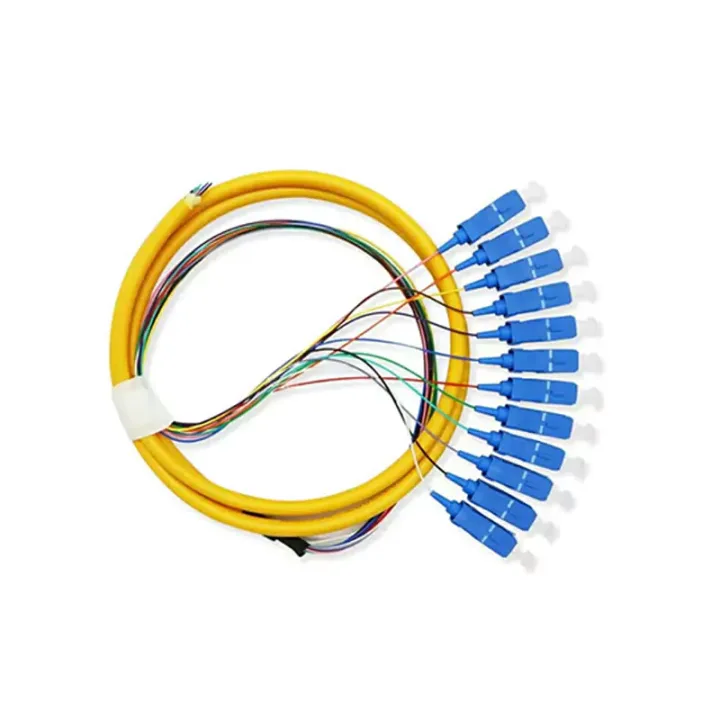
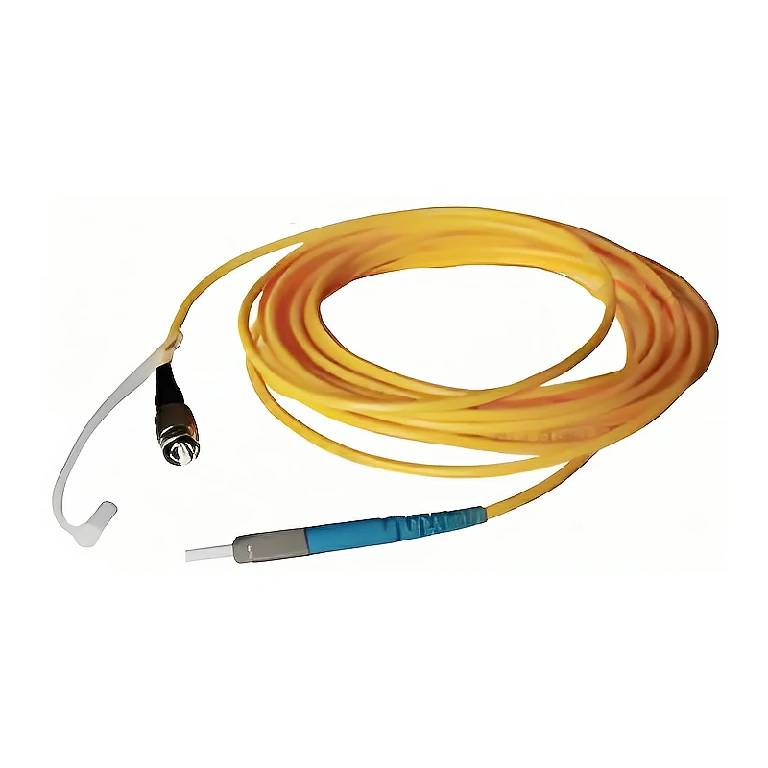
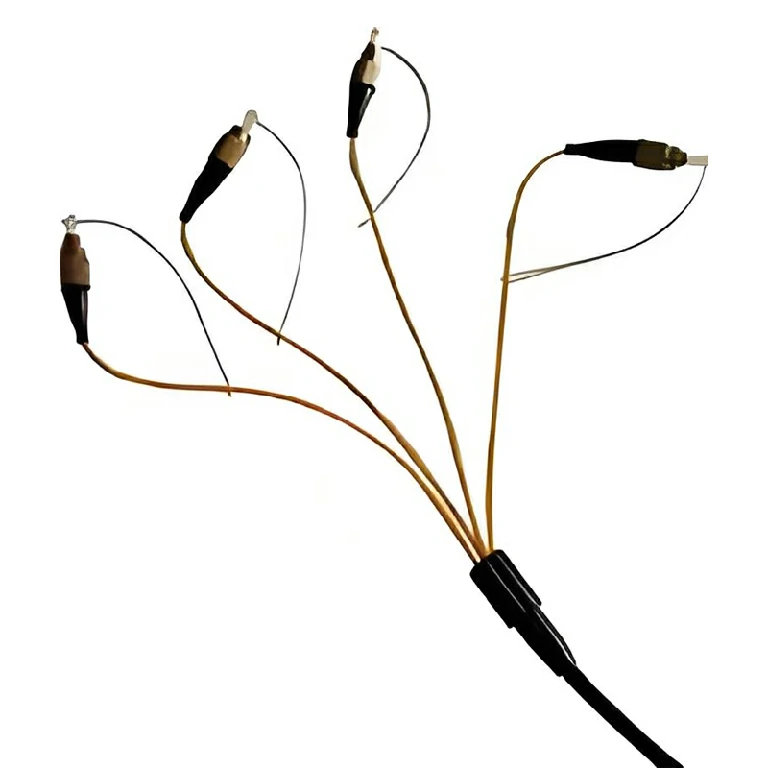
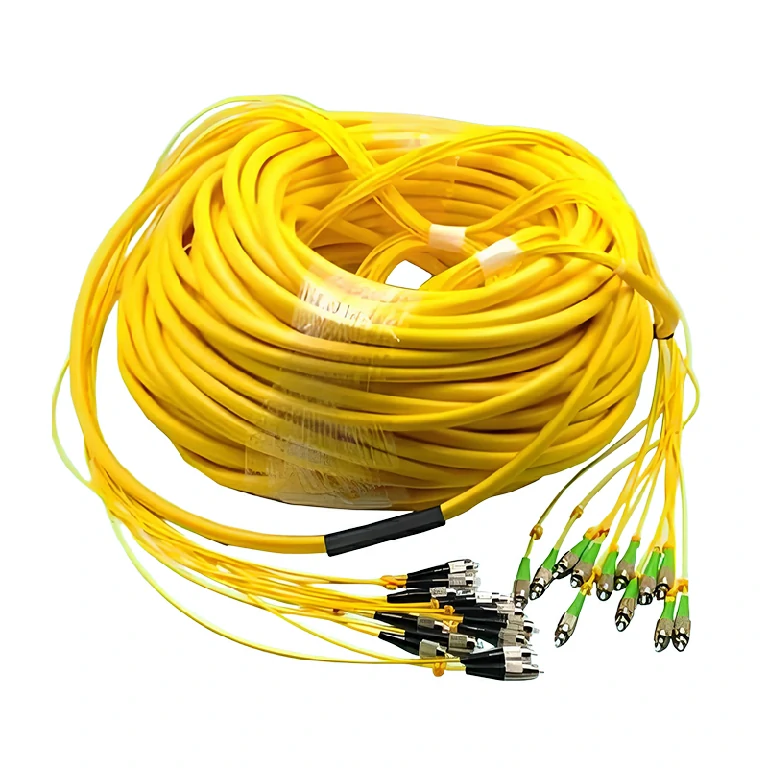
Indoor Armored Fiber Optic Patch Cords & Pigtails use tight-buffered fibers protected by a stainless-steel tube, reinforced with wire braid and covered by a flame-retardant jacket. After connectors are installed, the construction forms a flexible armored patch cord or pigtail for routes that need more mechanical protection than an ordinary indoor jumper.
The armor improves crush, tensile and rodent resistance while preserving a relatively small, bendable cable form. Fiber mode, connector ends, jacket and the way the armor is terminated must be selected for the actual equipment and pathway.
Specify fiber type, core count, connector and polish at each end, cable diameter, length and the mechanical hazard being addressed. Confirm the minimum bend radius and whether the metal armor must be bonded or isolated under the site's electrical practice.
Huijue Group can review OEM armored jumpers and pigtails from a sample or assembly drawing. Connector mix, armor termination, jacket, labels and private-label packaging can be evaluated; final mechanical tests, optical limits, tooling and order quantity must be approved.
| Fiber Type | 62.5μm (850/1300nm) | 50μm (850/1300nm) | Single-Mode Fiber (SMF) (1310/1550nm) |
| Maximum Attenuation (dB/Km) | 3.75/1.5 | 3.5/1.5 | 0.75/0.5 |
| Typical Attenuation (dB/Km) | 3.5/1.5 | 3.0/1.0 | 0.4/0.3 |
| Minimum LED Bandwidth (MHz·km) | 160/500 | 400/800 | - |
Use the armored cable within the validated bend and tensile limits. Protect the connector transition from repeated flexing, and determine bonding, grounding and corrosion treatment for the metal armor from the complete installation design.
Buyer Questions
Answers specific to Indoor Armored Fiber Optic Patch Cords & Pigtails selection, configuration and purchasing.
The stainless tube and wire reinforcement are intended to improve crush, tensile and rodent resistance compared with a standard indoor jumper.
The source describes a small-diameter, flexible construction, but the allowable bend radius must be confirmed for the selected cable.
Use the deployment context to narrow the configuration before comparing dimensions, capacities and options.
Match splitter or WDM architecture to wavelength plan, ratio, package and insertion-loss targets.
Coordinate connector, polish, fiber grade, polarity and cable length across patching points.
Plan MPO/MTP trunks and harnesses around port mapping, breakout format and rack density.
Select splicing, cleaning and test tools for the connector types and measurements used on site.
Before quotation: confirm capacity, interfaces, installation environment, power conditions, quantity and required options.