
Passive optical distribution
Match splitter or WDM architecture to wavelength plan, ratio, package and insertion-loss targets.
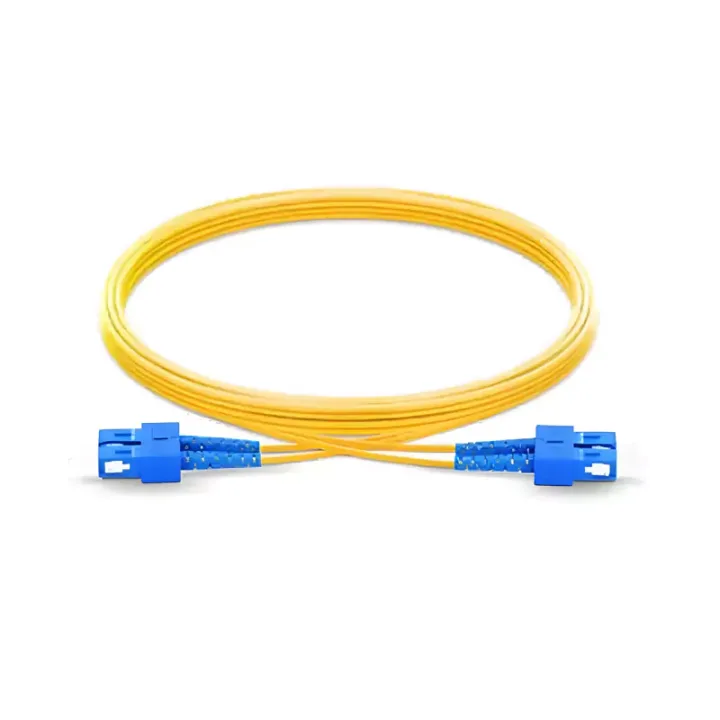
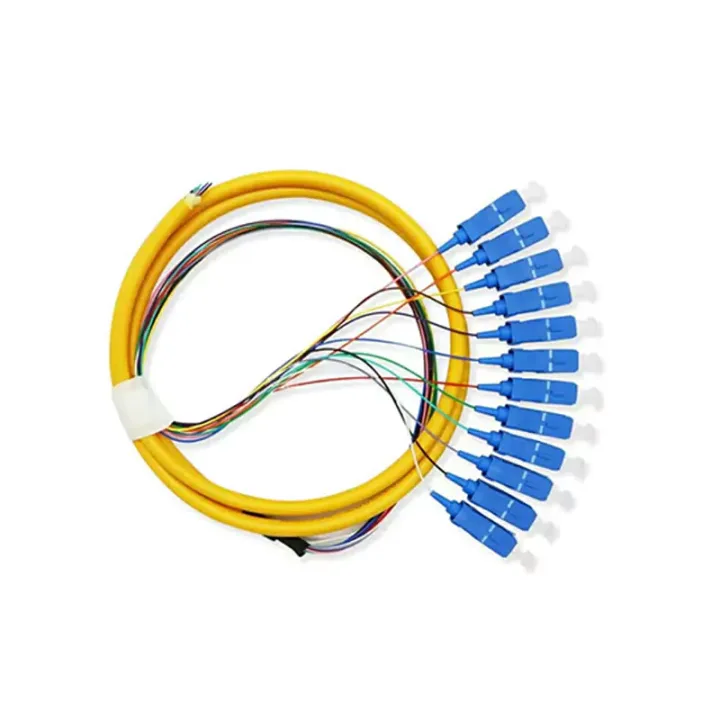
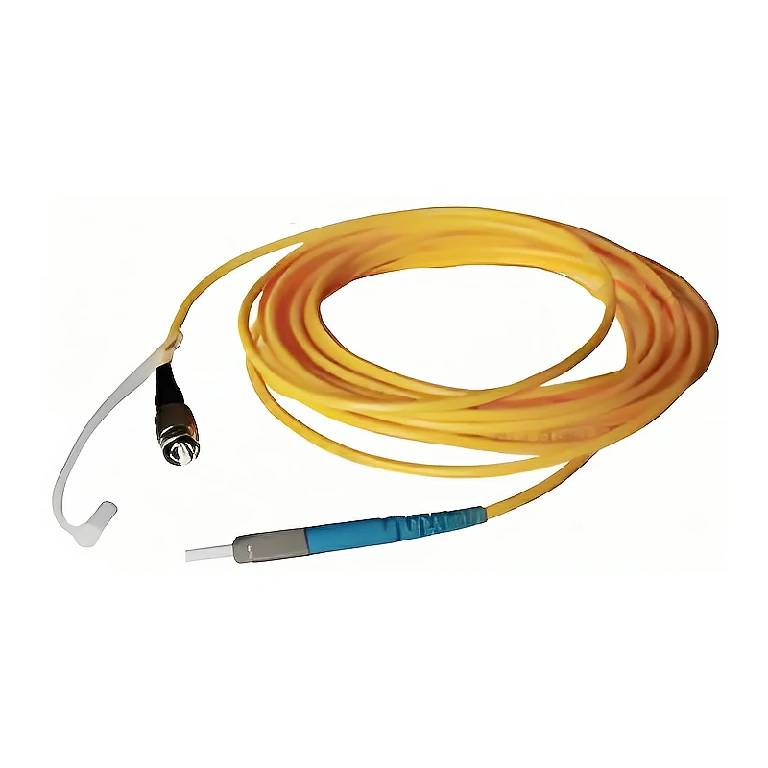
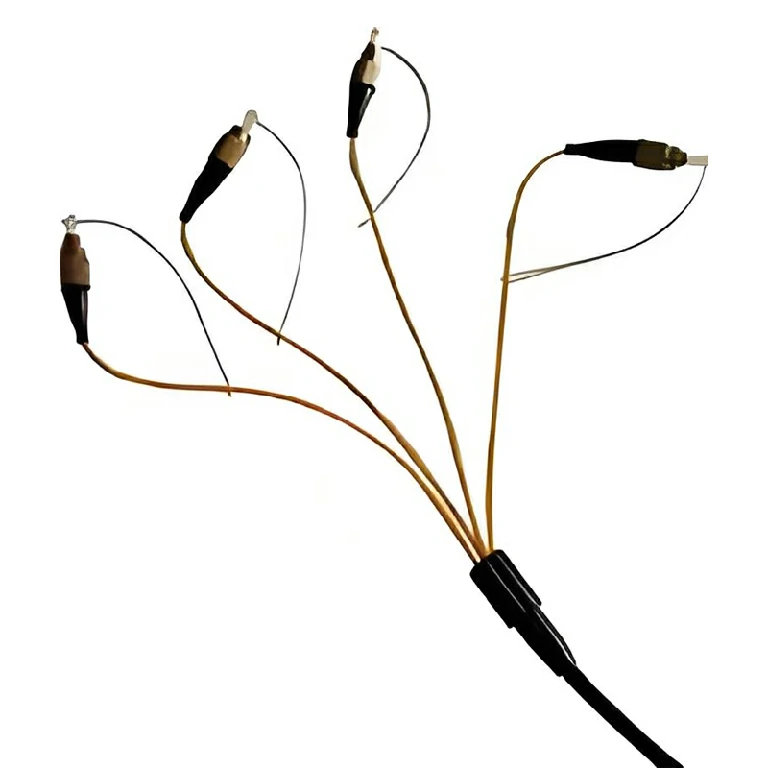
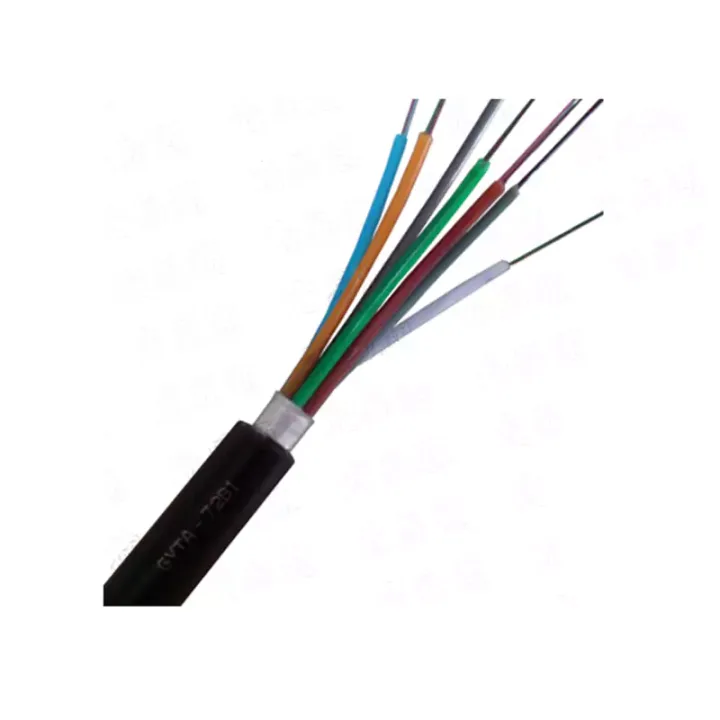
Configurable indoor patch cords and pigtails using FC, SC, LC, ST or MU connectors with PC, UPC or APC end-face options.
Indoor fiber optic patch cords and pigtails connect optical equipment, panels and terminal devices. Connector options include FC, SC, LC, ST and MU, with PC, UPC or APC end faces selected to match the mating port and return-loss requirement.
The source lists PVC or LSZH jackets, aramid-yarn reinforcement and 0.9, 2 and 3 mm cable formats. Because the family is configurable, the useful product definition is the complete end-to-end assembly rather than the connector name alone.
Specify single-mode or multimode fiber, connector and polish at each end, cable diameter, jacket, length and whether the second end is connectorized or prepared for splicing. Do not mate APC and UPC interfaces even when the connector housing appears similar.
Huijue Group can supply drawing-based OEM patch cords and pigtails, neutral packaging or private-label identification. Customer samples can support uncommon interface matching. Ferrule grade, cable, color, test limits, label format and order quantity require final approval.
1) Optical Performance Indicators of Single-Mode Fiber Connectors Unit: dB
| Serial No. | Item Name | Single-Mode (1310nm and 1550nm) | ||||||
| Insertion Loss | Additional Loss | Return Loss | Return Loss Variation | |||||
| PC, UPC Type | APC Type | PC Type | UPC Type | APC Type | ||||
| A | Before Test | ≤ 0.35 | ≤ 0.35 | ≥ 45 | ≥ 50 | ≥ 60 | ||
| B | Interchangeability Test | ≤ 0.5 | ≤ 0.5 | ≥ 43 | ≥ 48 | ≥ 58 | ||
| C | Mechanical Durability | ≤ 0.5 | ≤ 0.5 | ≤ 0.2 | ≥ 43 | ≥ 48 | ≥ 58 | ≤ 5 |
| D | Tensile Test | ≤ 0.5 | ≤ 0.5 | ≤ 0.2 | ≥ 43 | ≥ 48 | ≥ 58 | ≤ 5 |
| E | High Temperature Test | ≤ 0.5 | ≤ 0.5 | ≤ 0.2 | ≥ 43 | ≥ 48 | ≥ 58 | ≤ 5 |
| F | Low Temperature Test | ≤ 0.5 | ≤ 0.5 | ≤ 0.2 | ≥ 43 | ≥ 48 | ≥ 58 | ≤ 5 |
| G | Damp Heat Test | ≤ 0.5 | ≤ 0.5 | ≤ 0.2 | ≥ 43 | ≥ 48 | ≥ 58 | ≤ 5 |
| H | Salt Spray Test | ≤ 0.5 | ≤ 0.5 | ≤ 0.2 | ≥ 43 | ≥ 48 | ≥ 58 | ≤ 5 |
| I | Transportation Test | ≤ 0.5 | ≤ 0.5 | ≤ 0.2 | ≥ 43 | ≥ 48 | ≥ 58 | ≤ 5 |
| * Note 1: Additional Loss = Insertion Loss after Routine Test - Insertion Loss before Test. If negative, it is zero. * Note 2: Return Loss Variation = Return Loss before Test - Return Loss after Routine Test. If negative, it is zero. | ||||||||
2) Optical Performance Indicator Requirements for Multi-Mode Fiber Connectors
a) The insertion loss (including repeatability) of any plug connected to a standard plug via a standard adapter shall be ≤ 0.2dB.
b) The insertion loss of two plugs connected via a standard adapter shall be ≤ 0.3dB.
c) After various tests, the allowable variation of insertion loss shall be ≤ 0.2dB, and the variation of return loss shall be < 5dB.
Keep caps fitted until connection, inspect and clean end faces, and route the selected cable within its bend and tensile limits. Jacket selection should follow the indoor pathway and fire-safety design for the project.
Buyer Questions
Answers specific to Indoor Fiber Optic Patch Cords & Pigtails selection, configuration and purchasing.
A patch cord is connectorized at both ends; a pigtail normally has one connector and one prepared end for fusion splicing.
They should not be mated. Their end-face geometries differ and can cause poor performance or physical damage.
They can be reviewed for OEM or private-label production after the fiber type, jacket and artwork are approved.
Use the deployment context to narrow the configuration before comparing dimensions, capacities and options.
Match splitter or WDM architecture to wavelength plan, ratio, package and insertion-loss targets.
Coordinate connector, polish, fiber grade, polarity and cable length across patching points.
Plan MPO/MTP trunks and harnesses around port mapping, breakout format and rack density.
Select splicing, cleaning and test tools for the connector types and measurements used on site.
Before quotation: confirm capacity, interfaces, installation environment, power conditions, quantity and required options.