
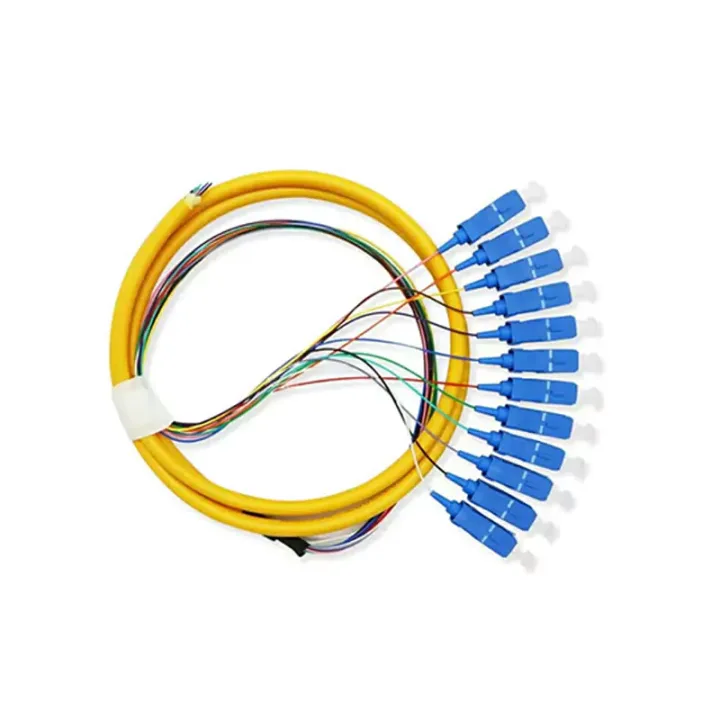
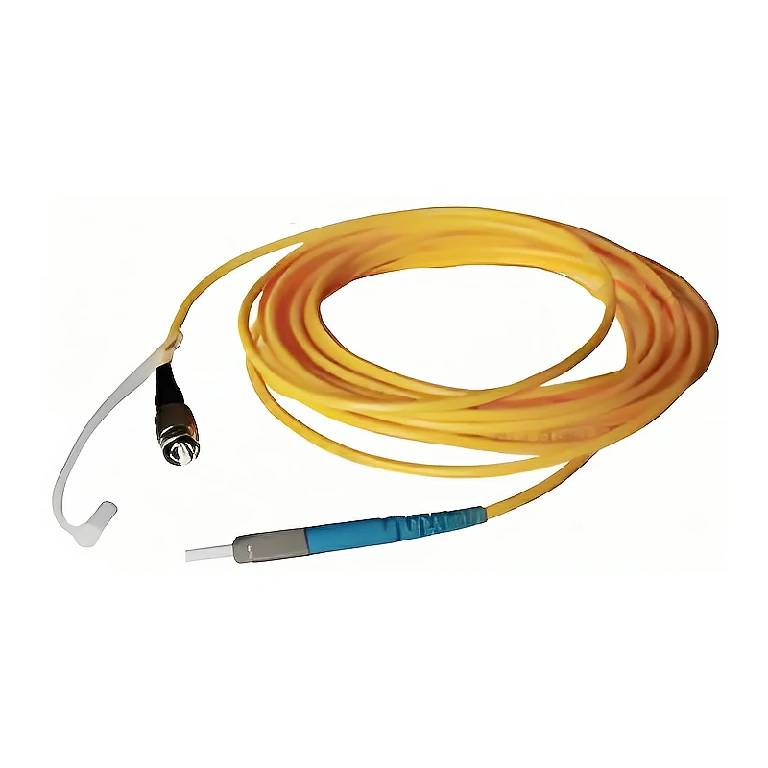
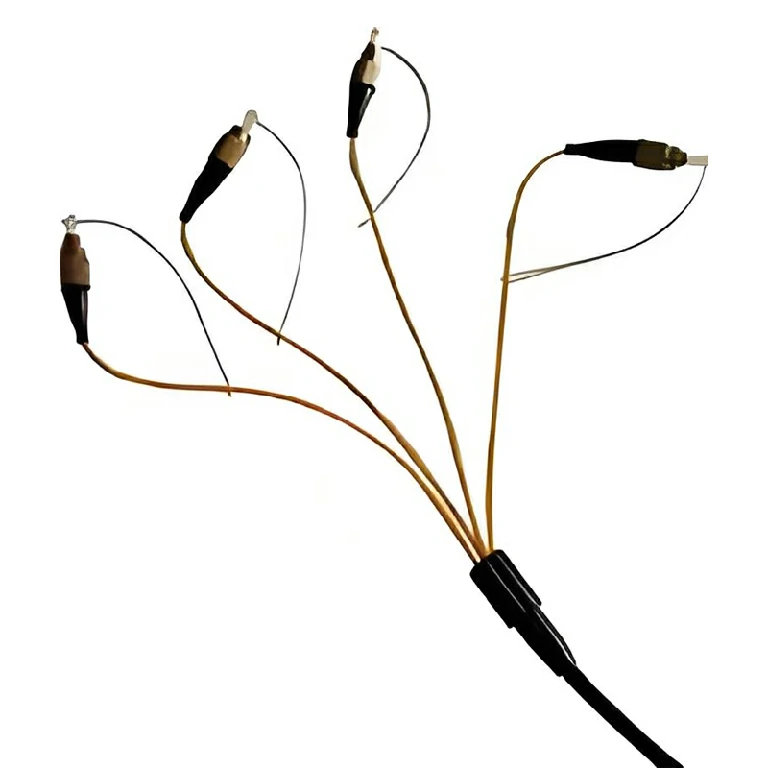
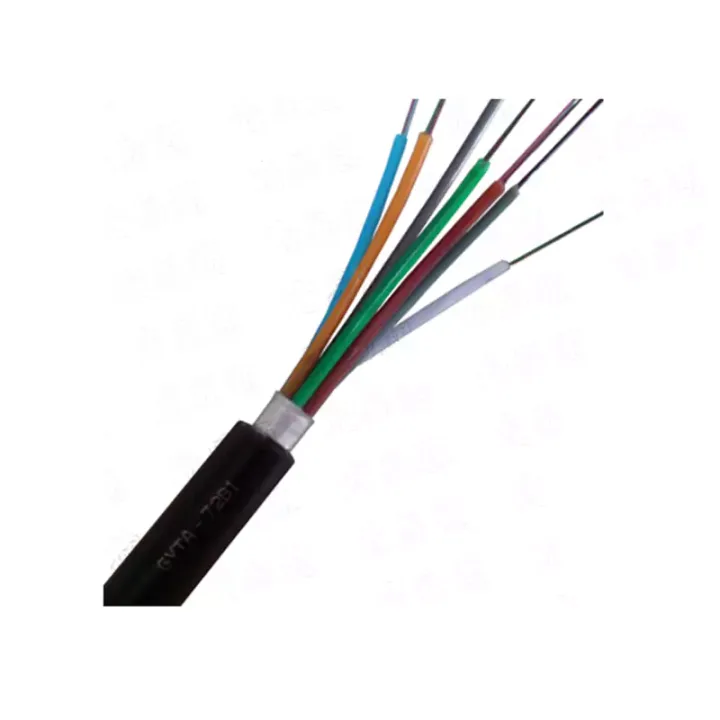
Passive optical distribution
Match splitter or WDM architecture to wavelength plan, ratio, package and insertion-loss targets.
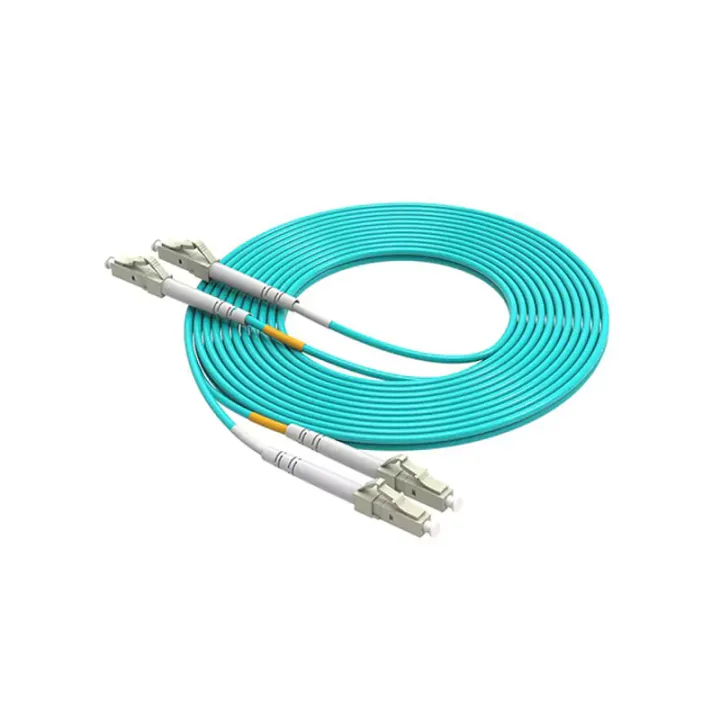
OM4 multimode connectorized assemblies for VCSEL-based high-speed links, with fiber and end configurations selected to the channel design.
OM4 Multimode Fiber Optic Cable Assemblies are patching and equipment-link assemblies built around OM4 laser-optimized multimode fiber. OM4 provides greater effective modal bandwidth than OM3 and is used where the channel design requires more multimode reach or margin.
The source lists reach guidance of 300 to 600 m for 10 Gb/s and 100 to 125 m for 40/100 Gb/s systems. These are design references rather than unconditional guarantees: transceiver type, connector count, total insertion loss and the applicable network standard determine the permitted channel length.
Provide the Ethernet or storage rate, transceiver standard, end connectors, number of mated pairs, total channel length and loss budget. Confirm whether the assembly is simplex, duplex or part of a parallel-optics conversion rather than selecting OM4 only from a nominal speed label.
Huijue Group can manufacture OEM OM4 assemblies from a channel schedule, including hybrid connectors, private-label flags and packaging. A sample or drawing can define nonstandard ends. Fiber source, cable construction, test limits, length tolerance and production quantity must be confirmed.
Optical Performance Indicator Requirements for Fiber Optic Connectors
a) The insertion loss (including repeatability) of any plug connected to a standard plug via a standard adapter shall be ≤ 0.2dB.
b) The insertion loss of two plugs connected via a standard adapter shall be ≤ 0.3dB.
c) After various tests, the allowable variation of insertion loss shall be ≤ 0.2dB, and the variation of return loss shall be < 5dB.
Install in a protected pathway suitable for the selected jacket. Control connector cleanliness and bend radius, and verify the complete channel—including adapters and cassettes—against the transceiver standard.
Buyer Questions
Answers specific to OM4 Multimode Fiber Optic Cable Assemblies selection, configuration and purchasing.
No. The source gives a 300–600 m range, but actual reach depends on the chosen standard, transceivers and complete channel loss.
OM4 is considered where the design needs greater modal bandwidth, reach or margin. The decision should follow the channel standard and budget.
Use the deployment context to narrow the configuration before comparing dimensions, capacities and options.
Match splitter or WDM architecture to wavelength plan, ratio, package and insertion-loss targets.
Coordinate connector, polish, fiber grade, polarity and cable length across patching points.
Plan MPO/MTP trunks and harnesses around port mapping, breakout format and rack density.
Select splicing, cleaning and test tools for the connector types and measurements used on site.
Before quotation: confirm capacity, interfaces, installation environment, power conditions, quantity and required options.