
Core equipment rooms
Coordinate DC power, distribution, batteries and monitoring around communications loads.
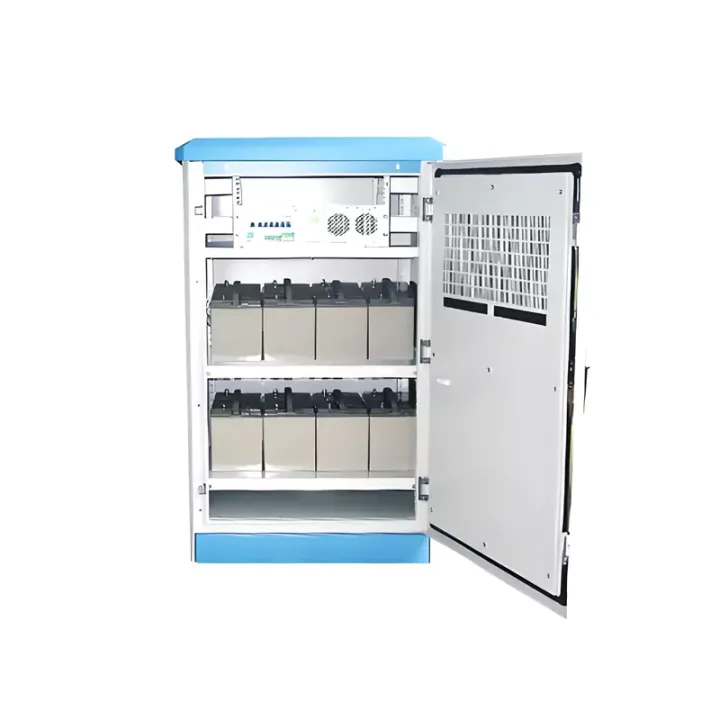
Insulated battery enclosure with phase-change thermal buffering, forced ventilation, alarms and remote-monitoring access for harsh-site operation.
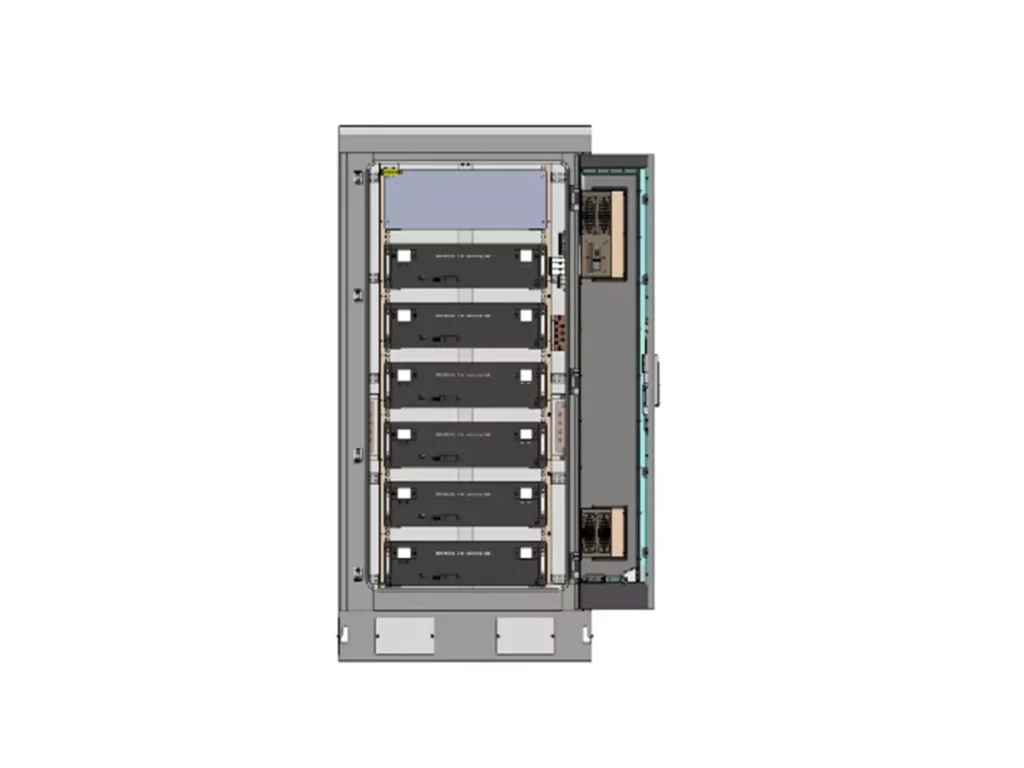
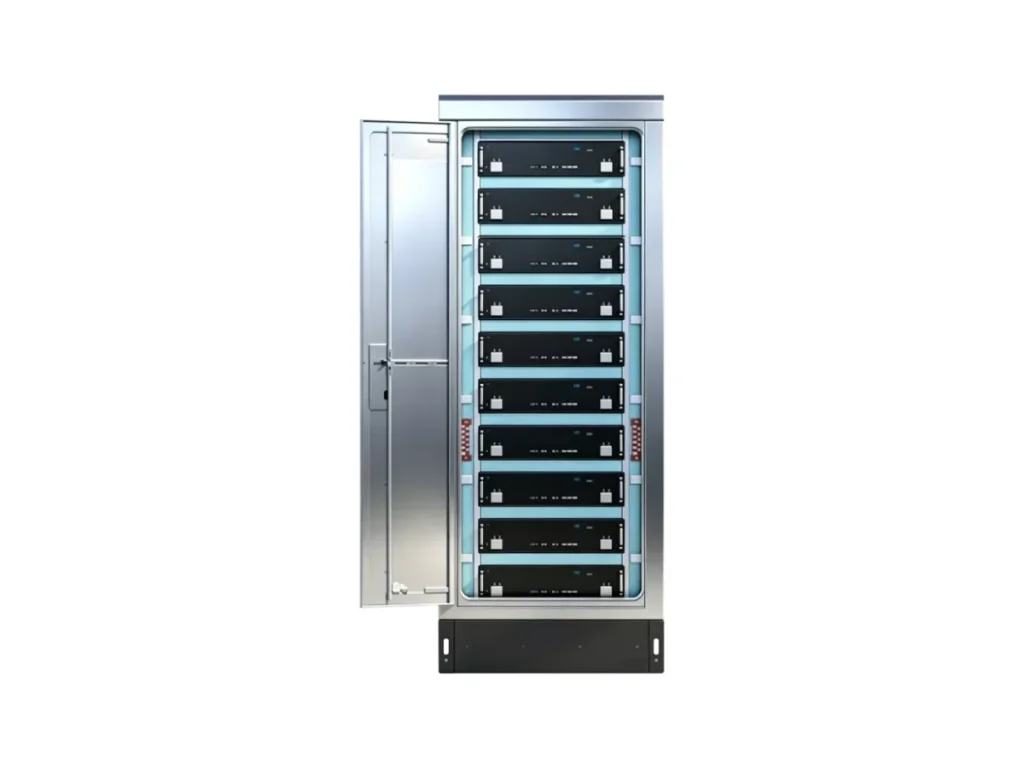
The Intelligent Battery Thermostatic Enclosure creates a controlled micro-environment around station batteries when the surrounding equipment room experiences wide temperature variation. Six-sided insulation and phase-change material reduce short-term temperature swings, helping separate battery thermal needs from the broader room setpoint.
The shelter-style enclosure opens for online battery service and includes hydrogen venting. A standard remote-monitoring port can report high temperature, faults and fire alarms, while forced ventilation and room-air-conditioner linkage can be incorporated in the control strategy.
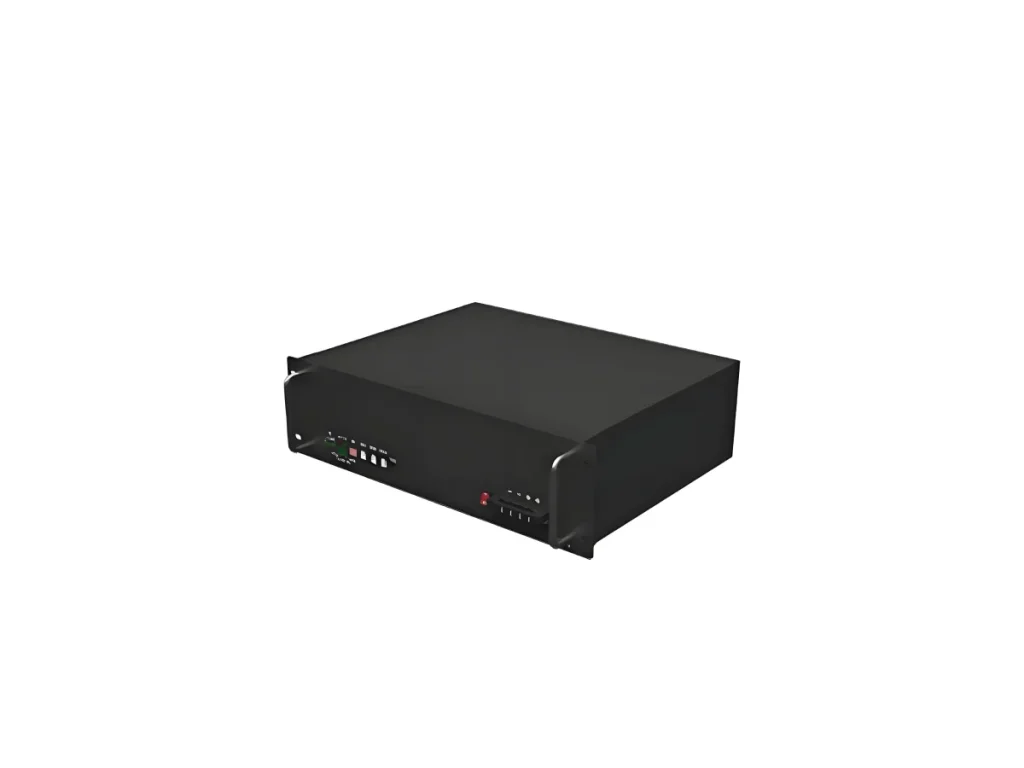
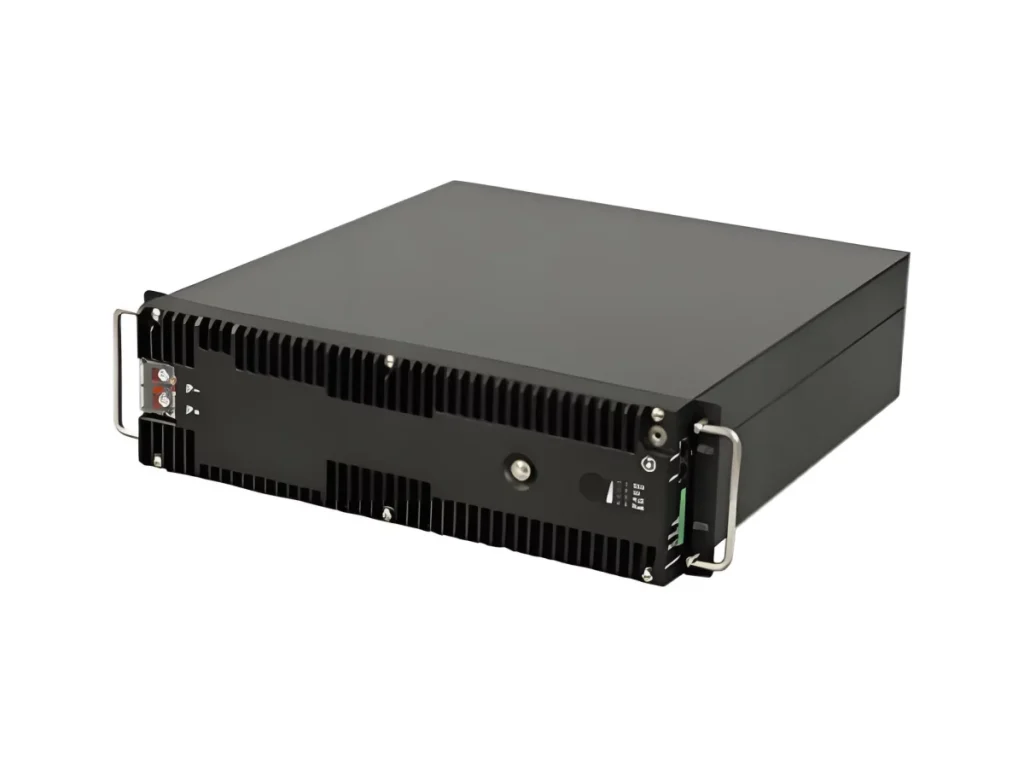
Provide battery chemistry, rack or monobloc arrangement, heat generation, required temperature band and service access. The published thermal-hold example is tied to stated test conditions and should not be treated as a universal autonomy guarantee. Confirm enclosure size, ventilation path, alarm contacts and room-HVAC interaction.
Huijue Group can review battery bay dimensions, alarm interfaces and private-label/OEM finish from a sample or drawing. Engineering must confirm thermal and gas-management feasibility, enclosure tooling, material selection, verification tests, quantity and the delivery/installation scope.
| Configuration | Project-specific; confirm requirements before quotation. |
The source enclosure uses an IP45 protection design and non-combustible materials. Confirm actual room conditions, ventilation exhaust route, condensate risk, heat sources and battery manufacturer requirements before deployment.
Buyer Questions
Answers specific to Intelligent Battery Thermostatic Enclosure selection, configuration and purchasing.
Its insulation and phase-change material buffer temperature, and the system can include forced ventilation and HVAC linkage. The exact active-control arrangement must be selected for the site heat load.
The openable shelter-style structure is designed to facilitate online battery maintenance. Site isolation and safe-work procedures still govern the actual service activity.
Send battery dimensions, arrangement, thermal limits, ambient data, cable routes and alarm requirements. Huijue Group then evaluates enclosure geometry and test scope.
Use the deployment context to narrow the configuration before comparing dimensions, capacities and options.
Coordinate DC power, distribution, batteries and monitoring around communications loads.
Use integrated or wall-mounted systems where equipment space is limited.
Match generation, storage and power conversion to load and autonomy requirements.
Combine grid, solar, battery or generator inputs around a defined operating strategy.
Before quotation: confirm capacity, interfaces, installation environment, power conditions, quantity and required options.