
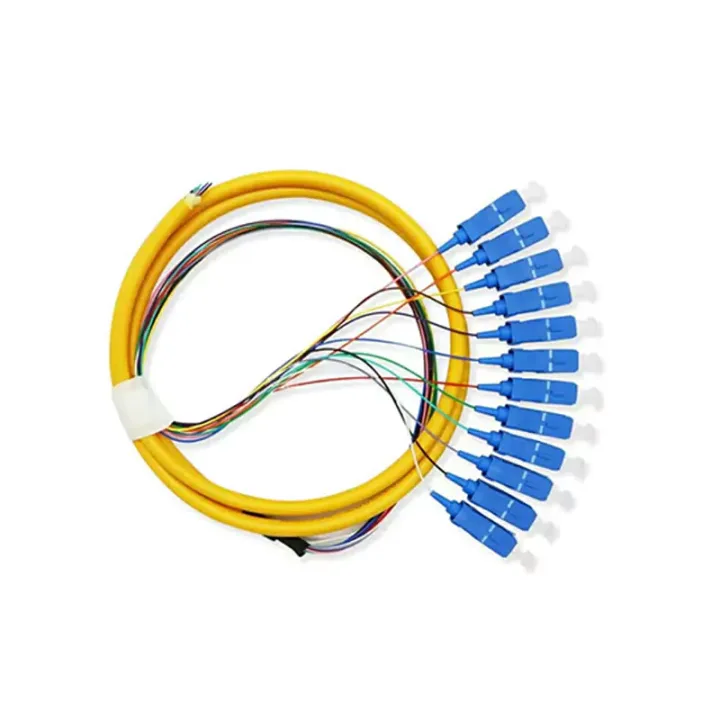
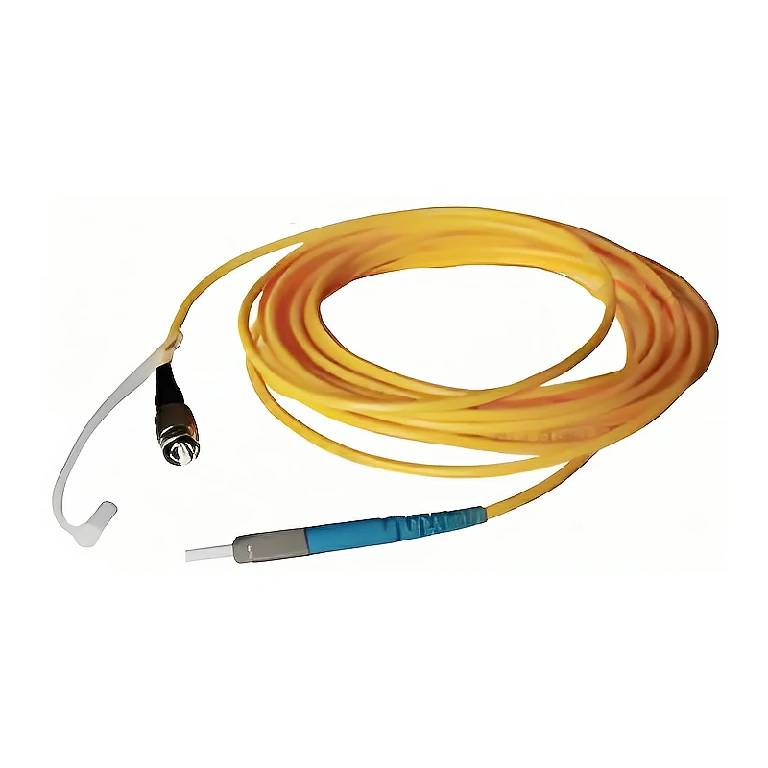
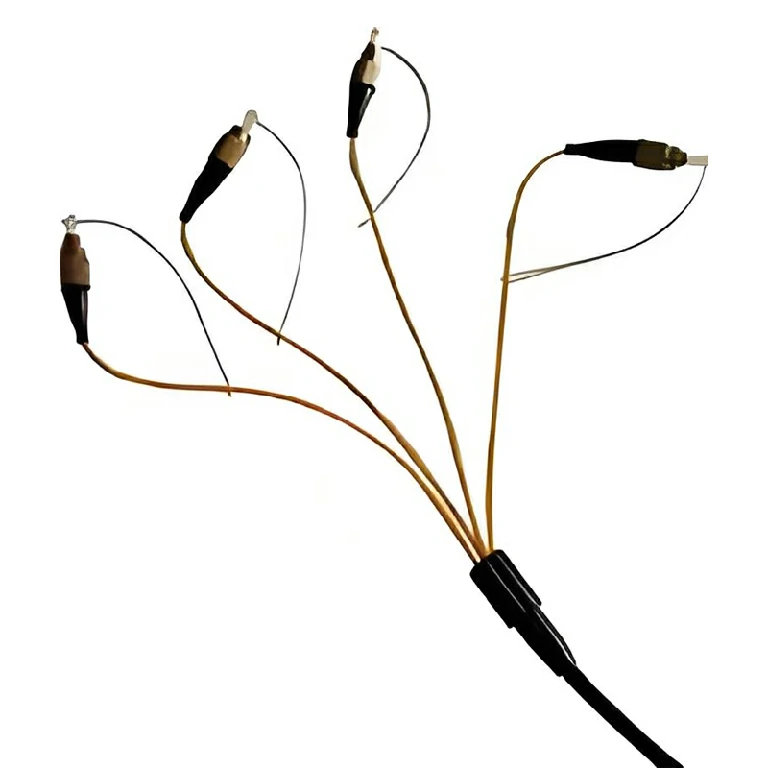
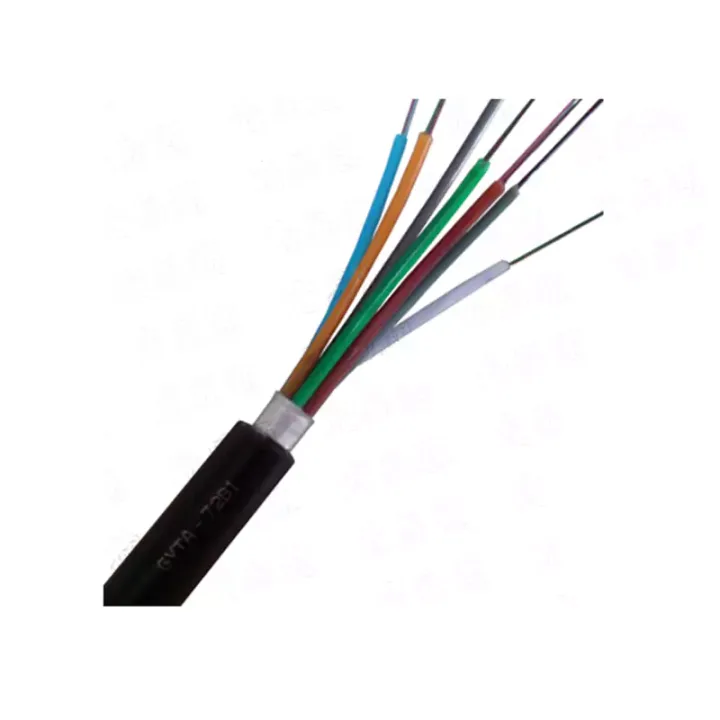
Passive optical distribution
Match splitter or WDM architecture to wavelength plan, ratio, package and insertion-loss targets.
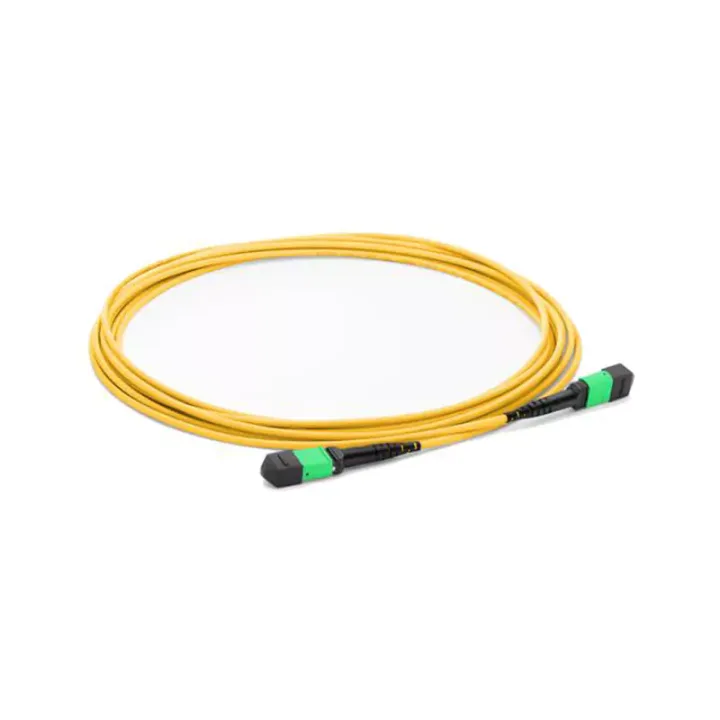
High-density multi-fiber MPO connector assemblies for parallel-optics, data-center and equipment interconnection, with standard- and low-loss options.
MPO Series Fiber Optic Connectors place multiple fibers in one ferrule to reduce the space and connection time required for high-density optical cabling. The format is used in data centers, fiber-to-the-building links, splitter internals and parallel-optics equipment such as QSFP-based 40G and 100G channels.
The current series distinguishes single-mode and multimode, APC or UPC end faces, standard- and low-loss grades, male or female interfaces and straight or fully crossed polarity. Those choices form one channel map and must be coordinated before assembly.
Define fiber type, count, male/female interface, key orientation, polarity method, APC or UPC end face, loss grade and cable construction. Check every cassette, module and equipment port in the path; changing one MPO component can reverse or shift the channel map.
Huijue Group can produce drawing-based MPO assemblies and review OEM/private-label cable flags and packaging. A customer polarity diagram or sample channel can be evaluated. Ferrule grade, pin arrangement, end-face geometry, optical testing, quantity and tooling are confirmed before production.
| MPO Connector | Standard Loss Single-Mode Connector | Low Loss Single-Mode Connector | Standard Loss Multi-Mode Connector | Low Loss Multi-Mode Connector | |||
| Ferrule Endface Type | APC | UPC | APC | UPC | UPC | UPC | |
| Insertion Loss (dB) | Typical | 0.35 | 0.35 | 0.25 | 0.25 | 0.5 | 0.35 |
| Maximum | 0.5 | 0.5 | 0.35 | 0.35 | 0.7 | 0.5 | |
| Return Loss (dB) | 60 | 50 | 60 | 50 | 20 | 20 | |
| Interchangeability (dB) | ≤ 0.3 | ||||||
| Durability (dB) | ≤ 0.2 | ||||||
| Tensile Strength (N) | ≥ 50 | ||||||
| Operating Temperature (℃) | -20~+60 | ||||||
| Operating Humidity (%) | 5~95 (non-condensing) | ||||||
Inspect the full multi-fiber end face, keep guide pins clean and use the specified mating gender. Protect the assembly from twist and excessive pull, and verify channel polarity before energizing equipment.
Buyer Questions
Answers specific to MPO Series Fiber Optic Connectors selection, configuration and purchasing.
Fiber count, male/female pins, key orientation, polarity, fiber type and loss grade must all be specified together.
They can physically share an interface in some designs, but the complete channel loss budget must be checked before mixing grades.
No. MPO is the connector format. Supported application speed depends on fiber, transceivers, polarity and channel design.
Use the deployment context to narrow the configuration before comparing dimensions, capacities and options.
Match splitter or WDM architecture to wavelength plan, ratio, package and insertion-loss targets.
Coordinate connector, polish, fiber grade, polarity and cable length across patching points.
Plan MPO/MTP trunks and harnesses around port mapping, breakout format and rack density.
Select splicing, cleaning and test tools for the connector types and measurements used on site.
Before quotation: confirm capacity, interfaces, installation environment, power conditions, quantity and required options.