
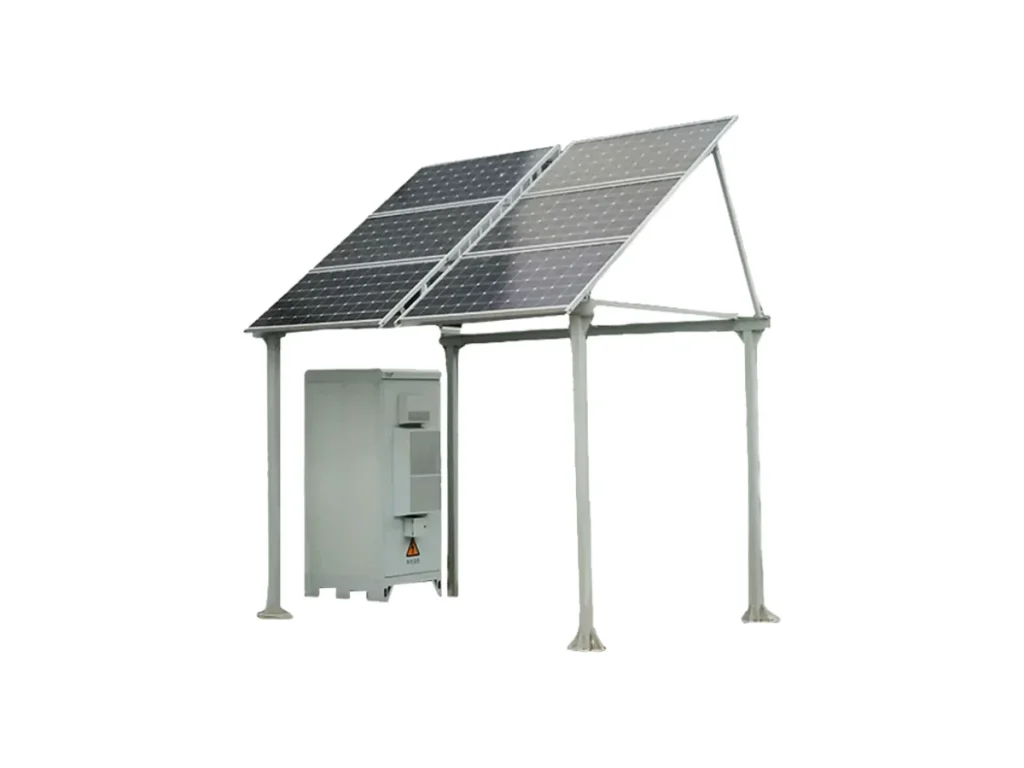
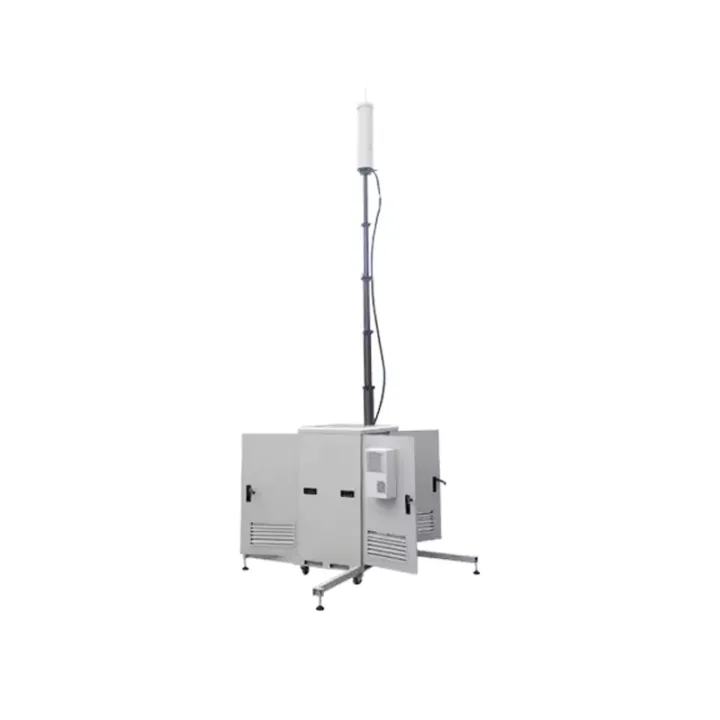
Telecom base stations
House communications, power and battery equipment in a serviceable outdoor enclosure.
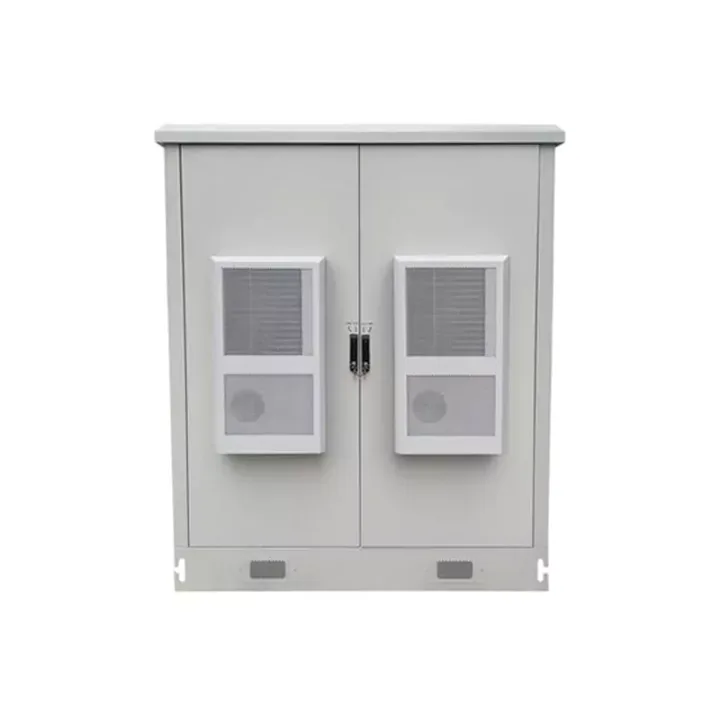
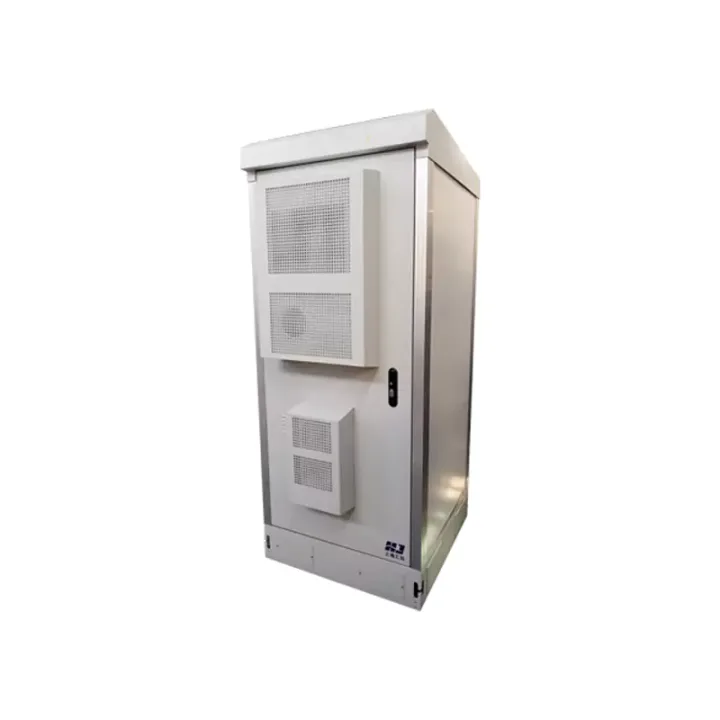
An FRP sandwich-panel cabinet with dedicated equipment, power, battery and cooling areas for outdoor communications installations requiring a coordinated multi-zone layout.
The FRP enclosure uses 50 mm sandwich panels and front access. The listed zoning includes two equipment areas plus power, battery and air-conditioning areas. Bottom cable entry accommodates 8–16 glands, with three-point locking and internal fasteners.
Battery and air-conditioner racks are described. Power distribution, generator socket, batteries, monitoring and cooling capacity must be itemized for the selected build.
The Outdoor Integrated Cabinet, HJ-XDF-F03, uses a non-metallic enclosure to bring communications equipment and site-support functions into an organized assembly. Its multiple zones allow the equipment schedule to account for batteries, power conversion and cooling alongside the customer racks.
The source lists internal dimensions of 2000 × 2800 × 900 mm. This is internal accommodation data, not a foundation footprint: obtain the exterior and service-access drawing before planning transport or civil works.
Start with a scaled equipment plan and wiring diagram. Confirm compartment boundaries, maintenance routes, battery replacement space and how cooling air reaches each heat source. The source describes different air-conditioner examples, so choose capacity through thermal assessment rather than a model-name assumption.
Huijue Group can review F03 manufacturing for OEM and private-label programs, including sample-based construction or drawing-based zoning. Engineering must confirm material feasibility, tooling, tests, order volume and delivery scope before the changed layout is accepted.
| HJ-XDF-F03 Product Configuration | |||||
|---|---|---|---|---|---|
| No. | Name | Specification (H*W*D) | Qty | Unit | Remarks |
| 1 | Non-Metallic Sandwich-Panel Cabinet (3 Compartments) | Internal dimensions 2000*2800*900mm | 1 | Set | 2 equipment zones + power compartment + battery compartment + A/C zone; includes uprights and internal structural parts; provides equipment mounting space, 1 battery rack set, A/C rack, non-metallic 50 mm sandwich-panel structure, |
| 2 | Shelves / L-Brackets | * | Set | Optional (1–6 pcs) | |
| 3 | Air Conditioner | 2P | * | Set | Capacity optional |
| 4 | Base | 3 | Set | ||
| 5 | Lamp | 1 | pc | ||
| 6 | Power Distribution Unit | AC / DC | * | Set | Optional |
| 7 | Power System | * | Set | Optional | |
| 8 | Generator Socket | * | Set | Optional | |
| 9 | Battery | * | Set | Optional | |
| 10 | Monitoring Unit | * | Set | Optional (sensors optional) | |
| 11 | Other Configuration | * | Set | Optional (customizable to customer requirements) | |
| 12 | Grounding Bar | 1 | Set | ||
| 13 | Accessories | Installation accessories | 1 | Set | Standard |
FRP is described for corrosion resistance and insulation. Define climate, solar gain, grounding interfaces and local corrosion exposure for the complete installation.
Buyer Questions
Answers specific to Outdoor Integrated Cabinet selection, configuration and purchasing.
No. The source configuration labels 2000 × 2800 × 900 mm as internal dimensions. Request the overall drawing for site planning.
No fixed complete package is implied. The quotation should identify the power modules, battery system, distribution and monitoring included.
Provide heat dissipation, ambient conditions and the intended zone arrangement. Confirm capacity and airflow in the approved configuration.
Use the deployment context to narrow the configuration before comparing dimensions, capacities and options.
House communications, power and battery equipment in a serviceable outdoor enclosure.
Protect distributed equipment while maintaining cable entry and service access.
Coordinate cabinet capacity, thermal management and equipment zoning.
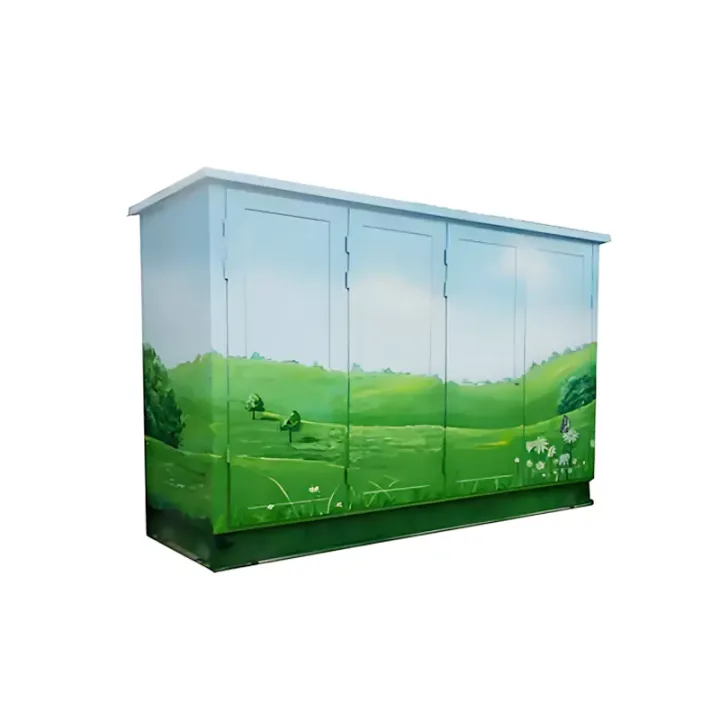
Fit protected infrastructure into space-constrained or visually sensitive locations.
Before quotation: confirm capacity, interfaces, installation environment, power conditions, quantity and required options.