
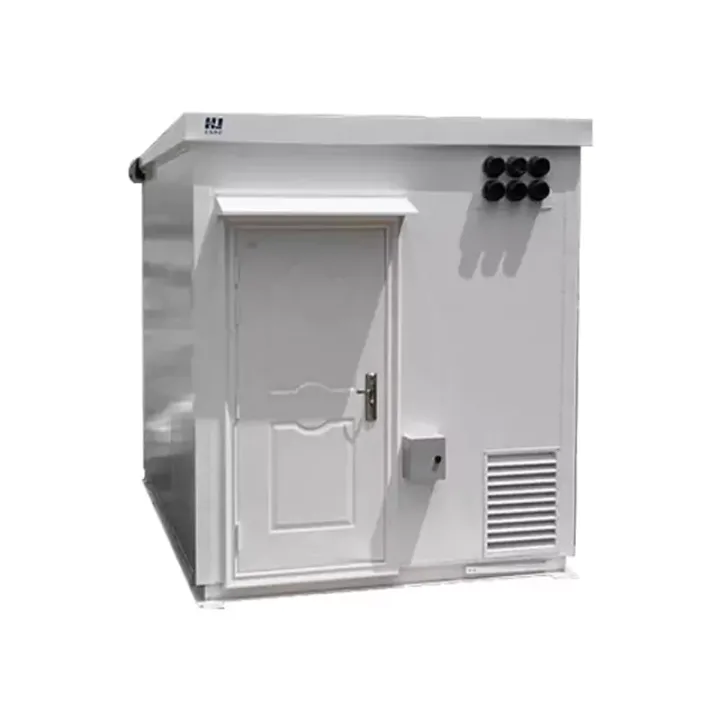
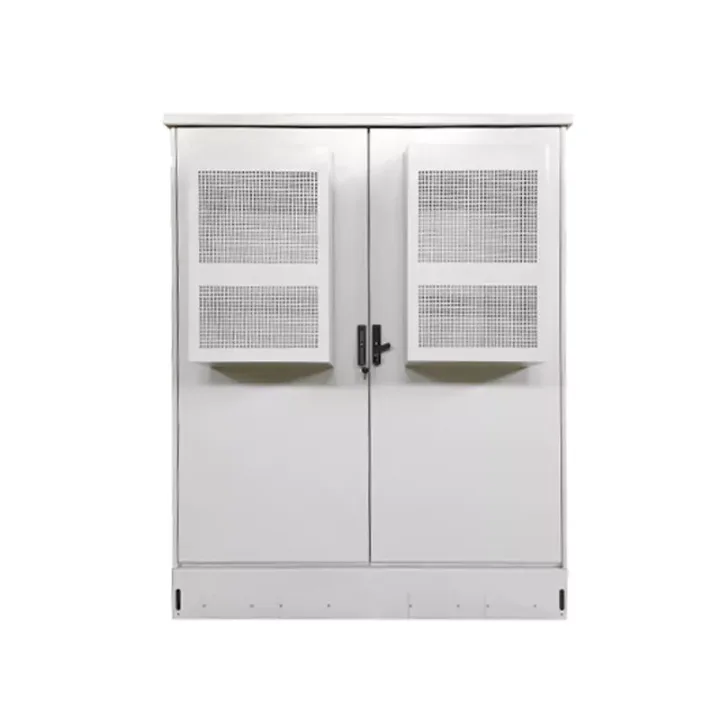
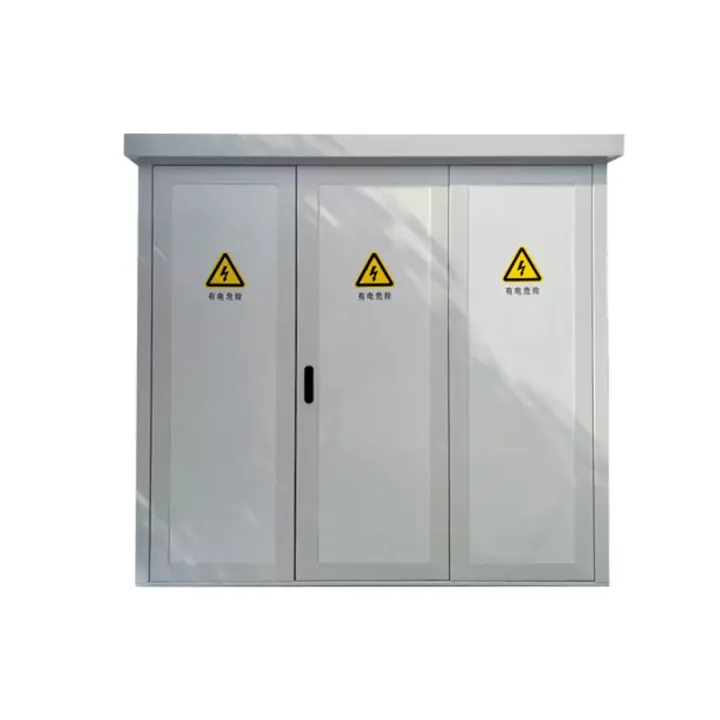
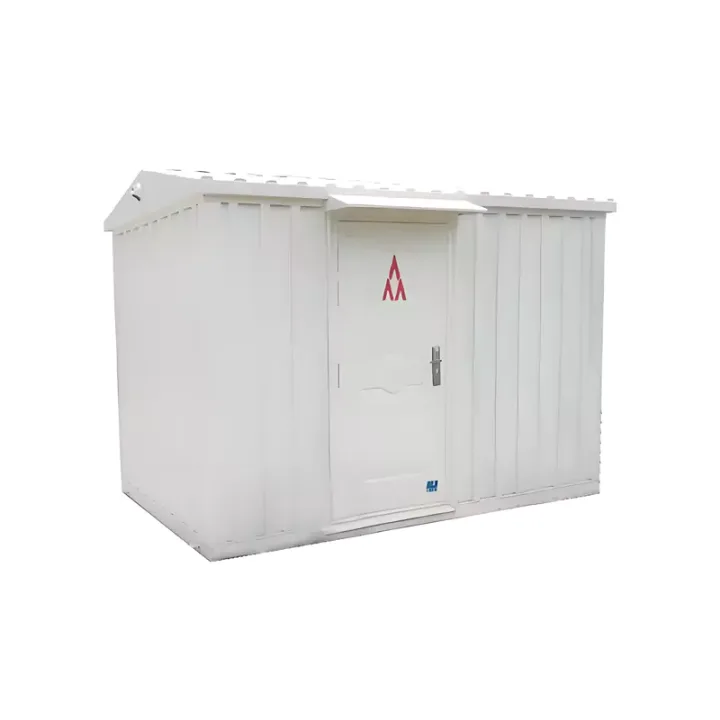
Telecom base stations
House communications, power and battery equipment in a serviceable outdoor enclosure.
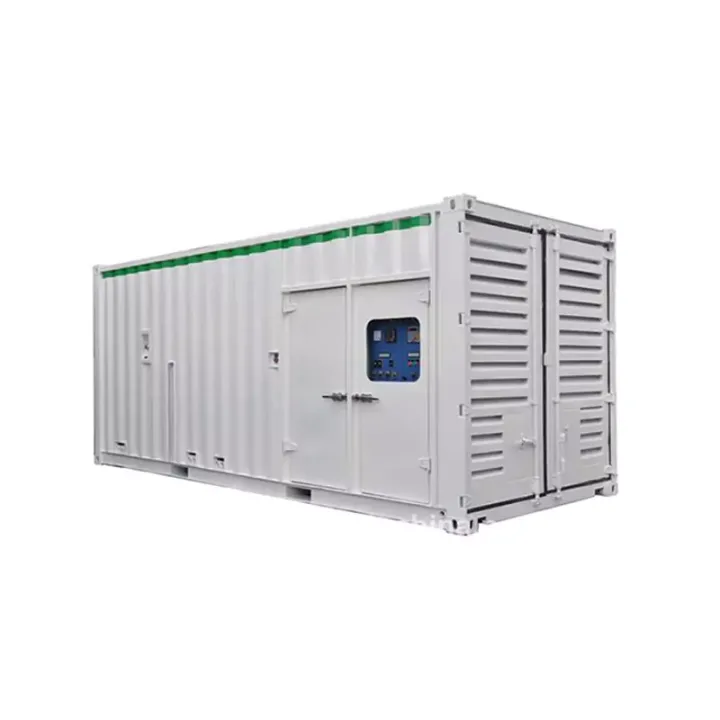
A container-based ETC equipment shelter with a configurable steel-frame interior and exterior, planned for lifting, relocation and coordinated integration of highway communications infrastructure.
The Integrated Intelligent Container Equipment Shelter for ETC Gantry Systems adapts container construction to roadside equipment infrastructure. It provides a transportable equipment space whose internal layout and supporting systems can be designed around the ETC project.
The source describes a 40-foot standard-container format and reusable deployment. Confirm actual external dimensions, loaded mass, lifting provisions and any transport restrictions before choosing the delivery and installation method.
Develop the floor plan from equipment weight, cable trays and replacement routes. Agree the electrical, cooling, monitoring and fire-system scope rather than assuming it from the intelligent designation. Review the loaded assembly's support and lifting design with the site civil and logistics plans.
Huijue Group can assess OEM container shelters, private labels and sample- or drawing-based fit-outs for ETC deployments. Fabrication feasibility, tooling, structural and integration tests, quantity and delivery scope must be confirmed for the proposed design.
Send equipment floor plan, total mass, electrical and cooling requirements, monitoring signals, site access and the intended relocation strategy.
| Configuration | Project-specific; confirm requirements before quotation. |
Highway ETC equipment rooms, transport communications nodes and projects requiring a relocatable container-format equipment enclosure.
Specify corrosion exposure, humidity, rainfall, wind and local structural criteria. Coating, roof details and installed service openings need to form part of the agreed environmental specification.
Buyer Questions
Answers specific to Integrated Intelligent Container Equipment Shelter for ETC Gantry Systems selection, configuration and purchasing.
The available record does not define a fixed monitoring package. Specify sensors, alarms, communication interfaces and remote-control needs in the order scope.
Relocation is part of the concept, but lifting provisions, condition, disconnected services and the loaded mass must be assessed before any move.
The source describes finish choices. Agree the materials, maintenance needs and required performance documents for the final fit-out.
Use the deployment context to narrow the configuration before comparing dimensions, capacities and options.
House communications, power and battery equipment in a serviceable outdoor enclosure.
Protect distributed equipment while maintaining cable entry and service access.
Coordinate cabinet capacity, thermal management and equipment zoning.
Fit protected infrastructure into space-constrained or visually sensitive locations.
Before quotation: confirm capacity, interfaces, installation environment, power conditions, quantity and required options.