
Core equipment rooms
Coordinate DC power, distribution, batteries and monitoring around communications loads.
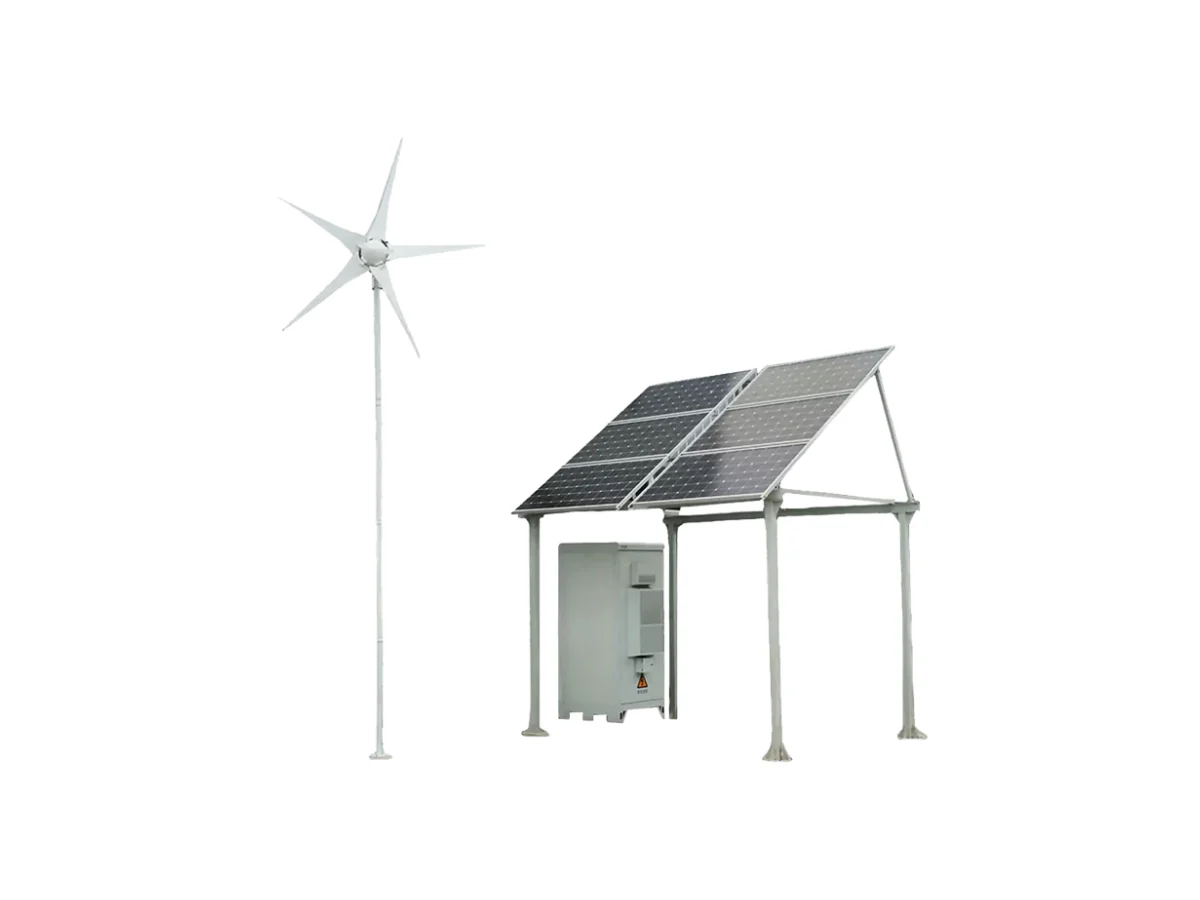
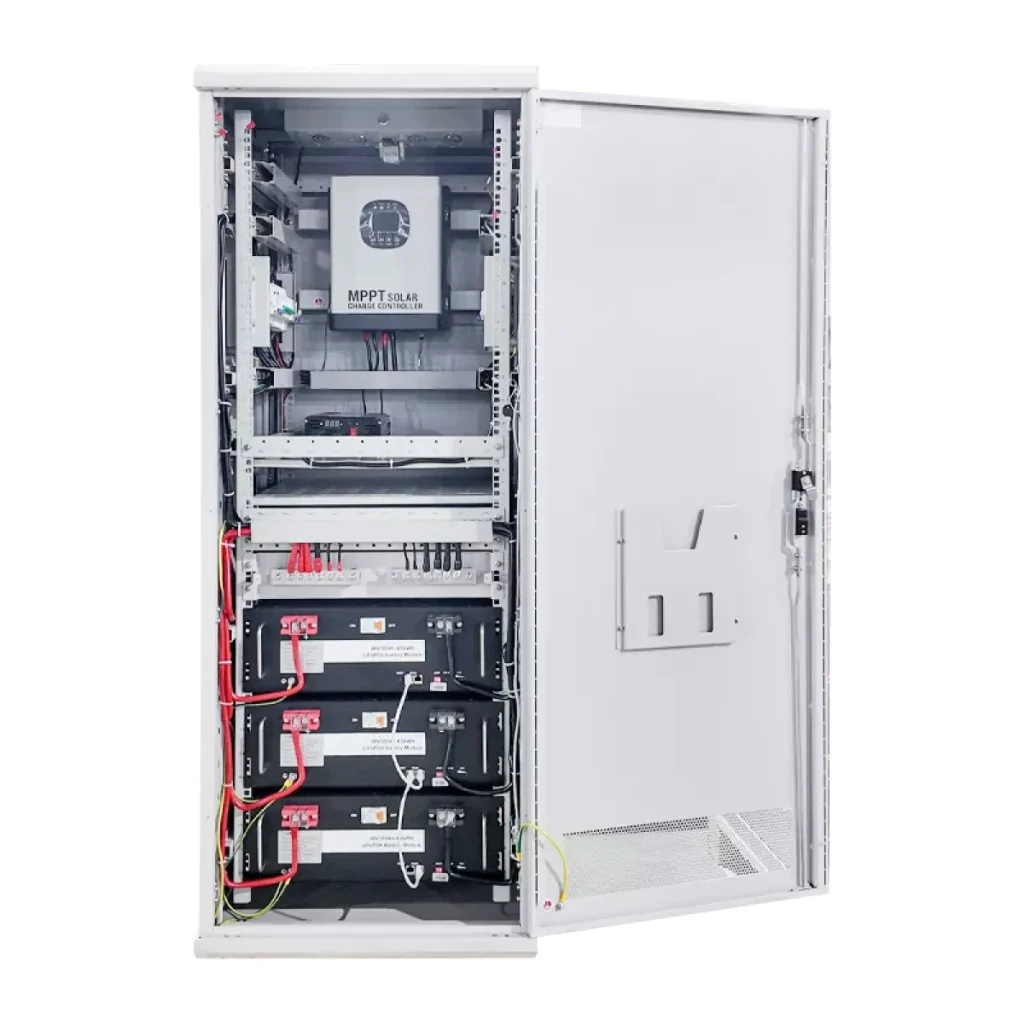
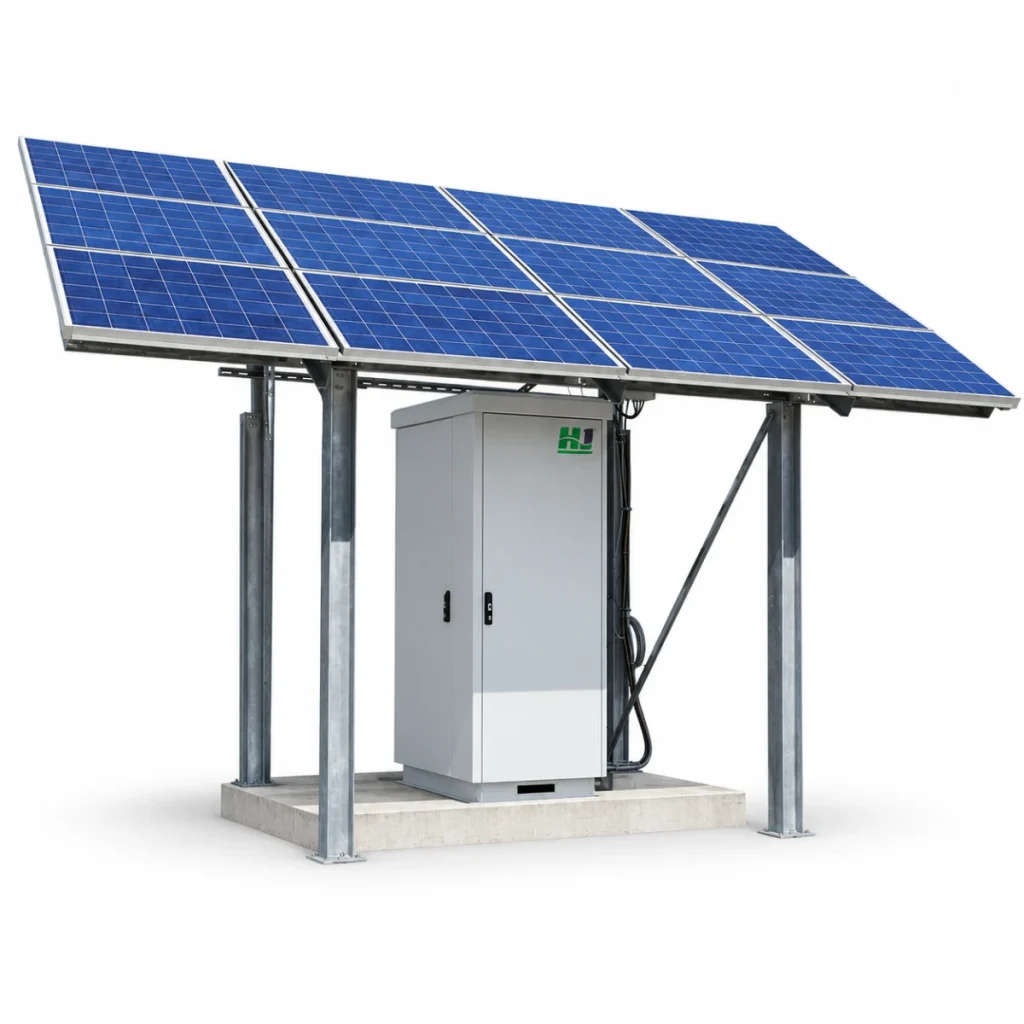
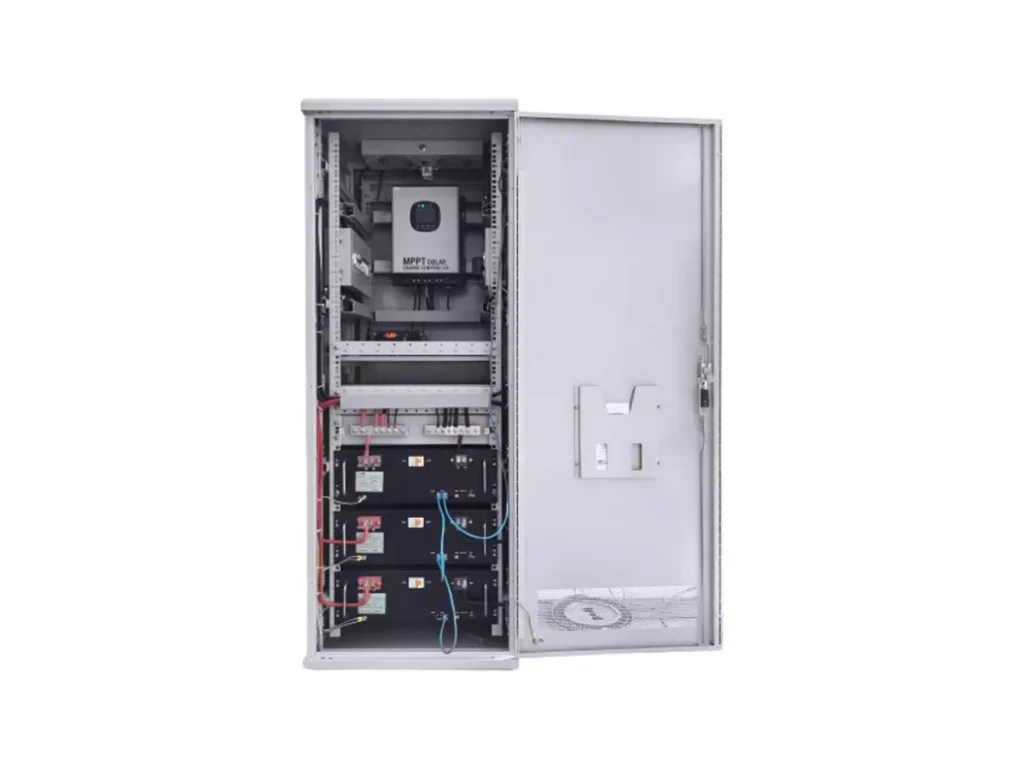
HJ-SG-D03 hybrid site-energy cabinet coordinating 4.4 kW solar, 0.6–2 kW wind and 20 kWh LFP storage for monitored remote communications.
The Outdoor Communication Energy Cabinet with Wind Turbine combines complementary energy sources for locations where grid or diesel dependence is a project concern. HJ-SG-D03 coordinates solar, wind, battery and grid paths, with an optional diesel generator input.
The documented configuration includes 4.4 kW PV capacity, 0.6–2 kW wind capacity and 20 kWh of LFP storage. These are equipment capacities rather than a forecast of daily energy production: solar availability, turbine siting and the communications load determine how effectively the sources can support the station.
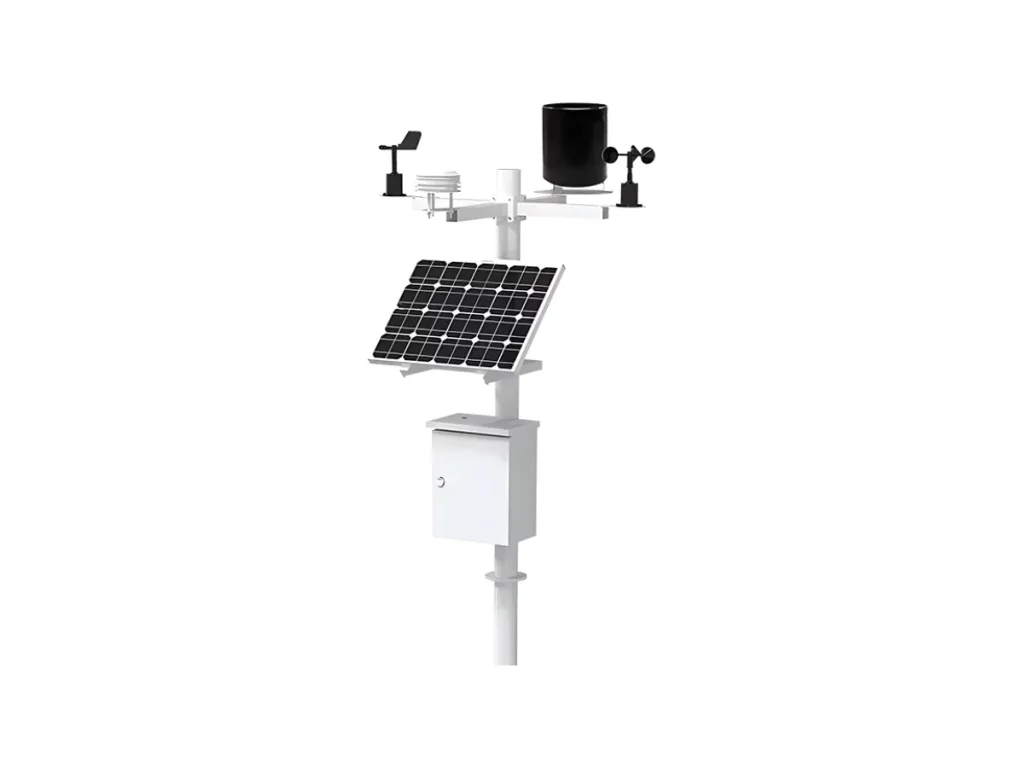
Use measured or defensible local wind and solar data in an hourly energy model. Define battery-only autonomy, source priorities and behavior during prolonged low generation. Turbine foundation, mast, cabling and safe maintenance access need their own design review alongside cabinet positioning.
Huijue Group can review OEM/private-label hybrid packages and source layouts from drawings or sample assemblies. Turbine interfaces, auxiliary voltages and cabinet changes depend on engineering feasibility, tooling, validation tests, quantity and agreement on generator, mast and civil-work delivery scope.
Send hourly load, solar/wind resource, autonomy target, grid/diesel availability, required output voltages, turbine position/civil drawings, ambient/altitude data and monitoring points.
| Model | HJ-SG-D03 |
|---|---|
| PV capacity | 4.4 kW |
| Wind capacity | 0.6–2 kW |
| Optional diesel generator | 8–20 kW |
| Battery | 20 kWh LFP |
| Primary DC output | -48 V DC |
| Optional outputs | 220 V AC / -24 V DC / -12 V DC |
| Protection | IP55 |
| Communication | RS485 |
The cabinet is listed as IP55, with a published −20°C to 75°C operating range and separate −40°C start capability. Confirm continuous operation, component limits and wind-system environmental requirements for the actual location.
Buyer Questions
Answers specific to Outdoor Communication Energy Cabinet with Wind Turbine selection, configuration and purchasing.
No. The listed capacity is not continuous energy production. Output depends on the wind resource, turbine characteristics and installation, which must be included in the energy model.
It is optional in the documented system. The decision depends on required availability, renewable generation and battery autonomy.
The record states start capability separately from the published −20°C to 75°C operating range. Confirm the cold-weather arrangement and continuous operating requirements with engineering.
Their inclusion must be stated in the project scope. Turbine siting, structural design, cabling and civil works require explicit coordination with the cabinet supply.
Use the deployment context to narrow the configuration before comparing dimensions, capacities and options.
Coordinate DC power, distribution, batteries and monitoring around communications loads.
Use integrated or wall-mounted systems where equipment space is limited.
Match generation, storage and power conversion to load and autonomy requirements.
Combine grid, solar, battery or generator inputs around a defined operating strategy.
Before quotation: confirm capacity, interfaces, installation environment, power conditions, quantity and required options.