
Core equipment rooms
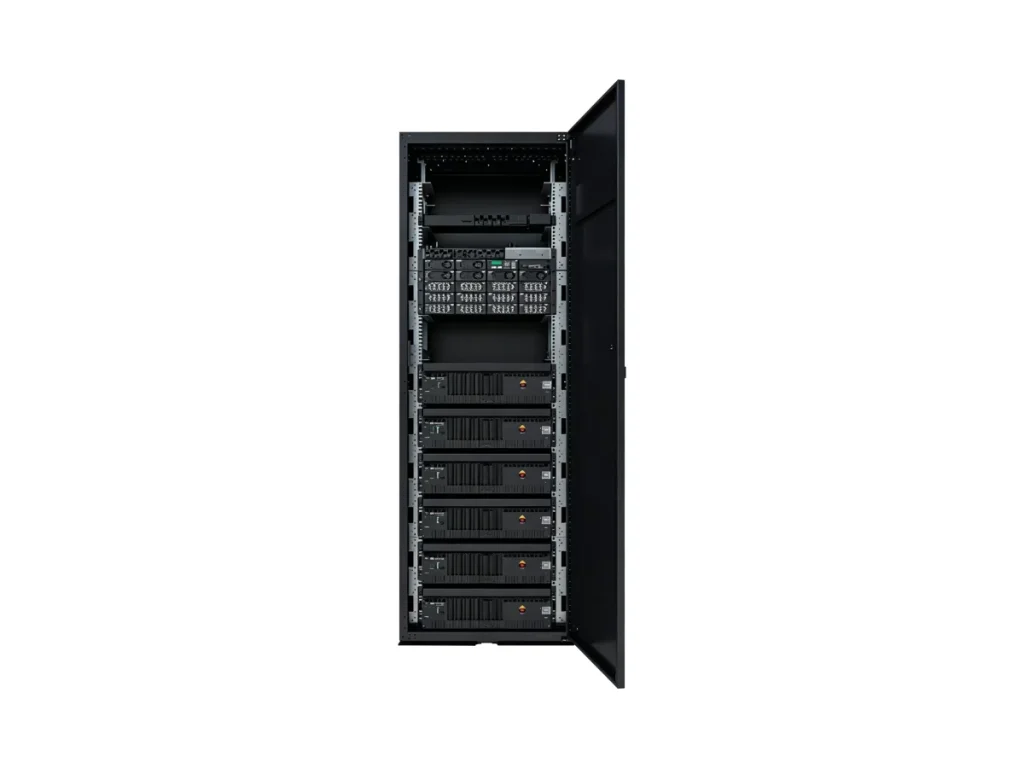
Coordinate DC power, distribution, batteries and monitoring around communications loads.
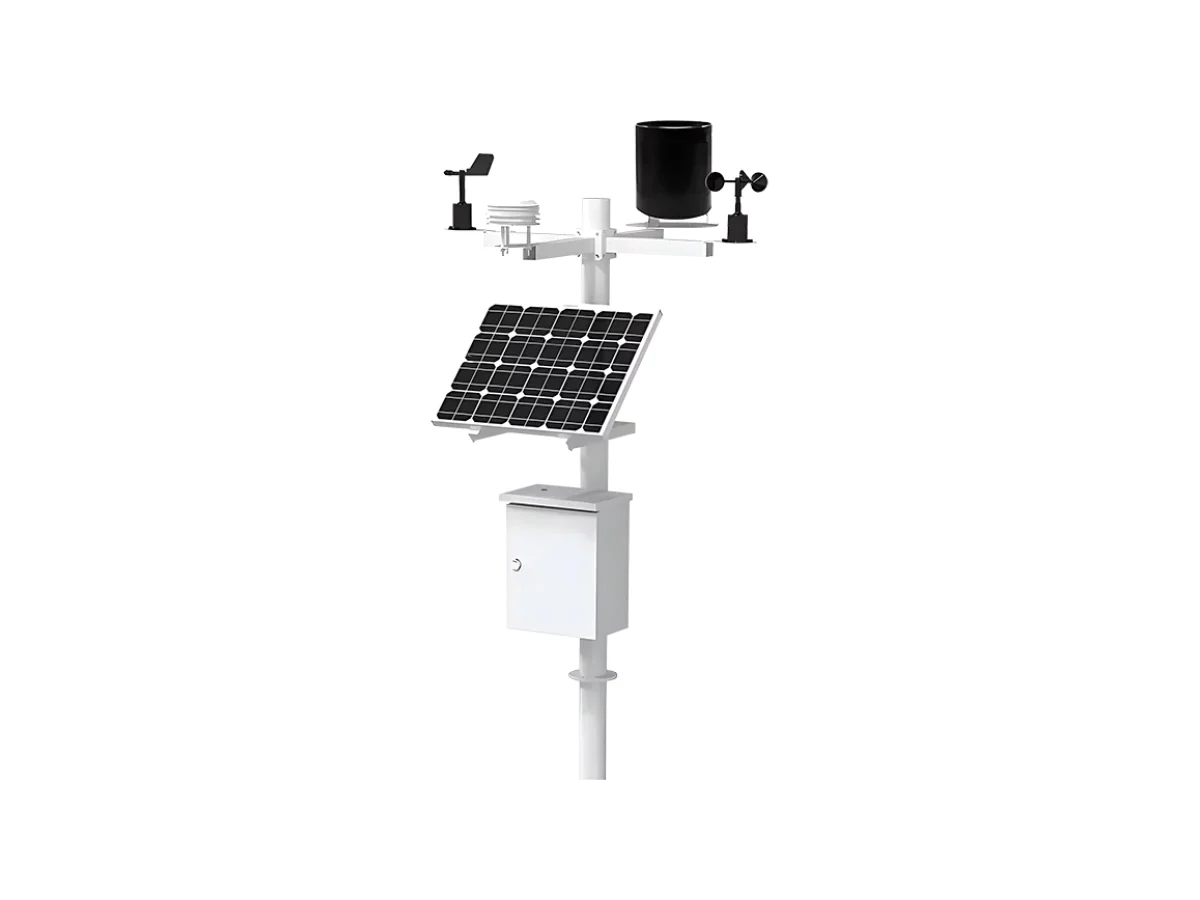
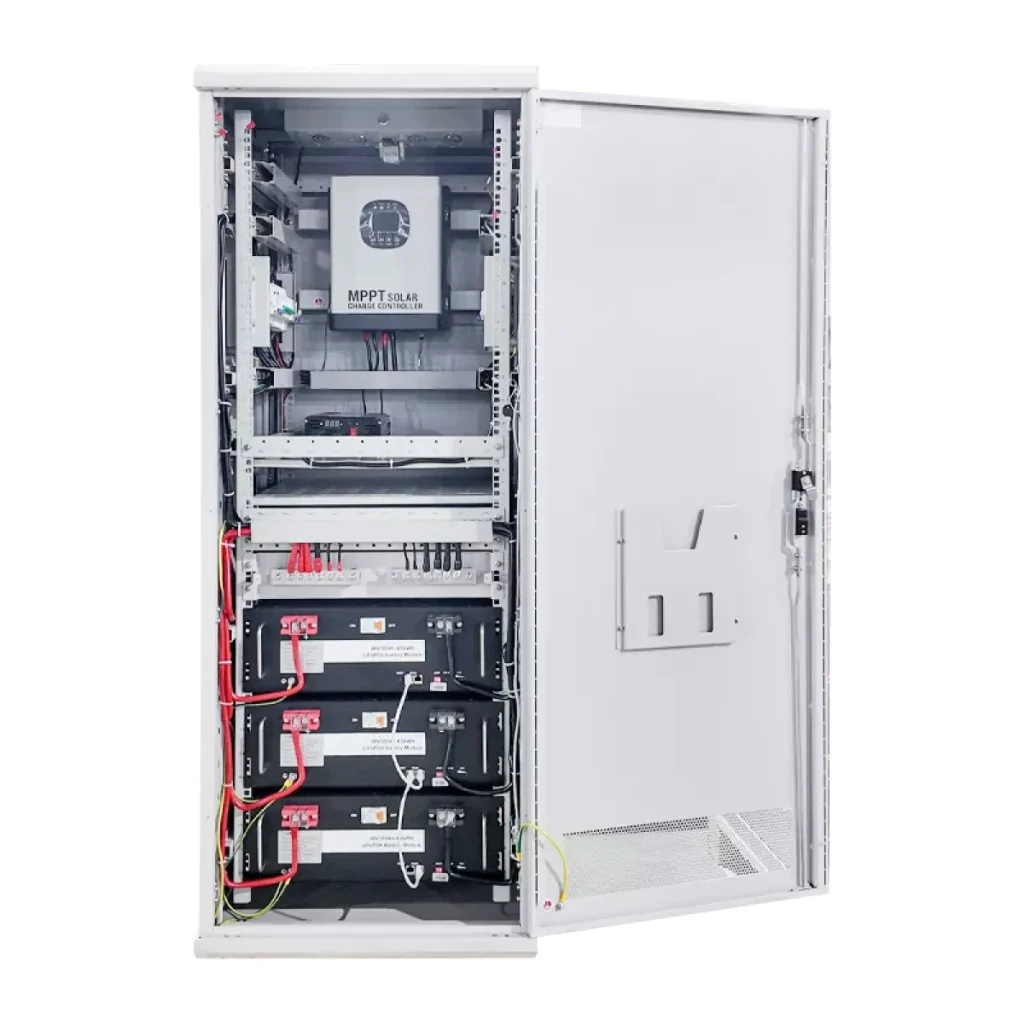
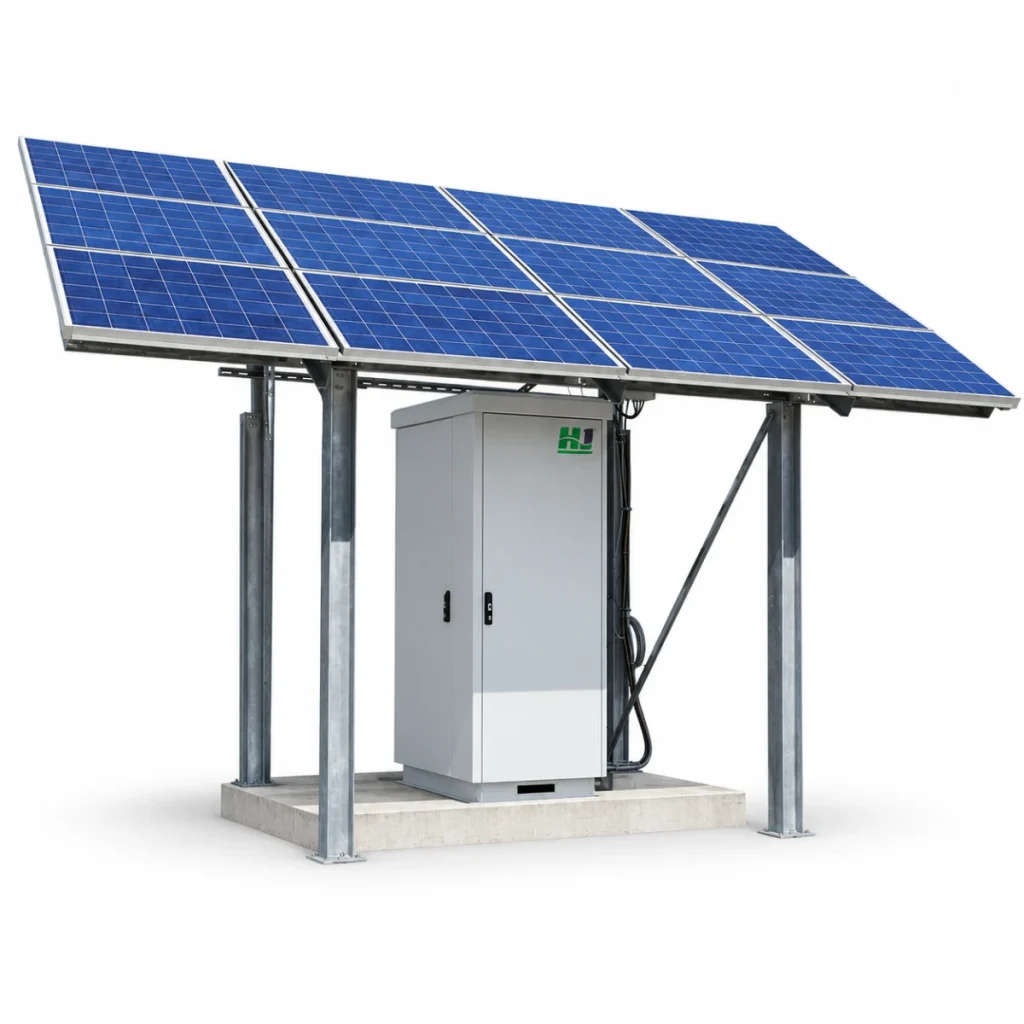
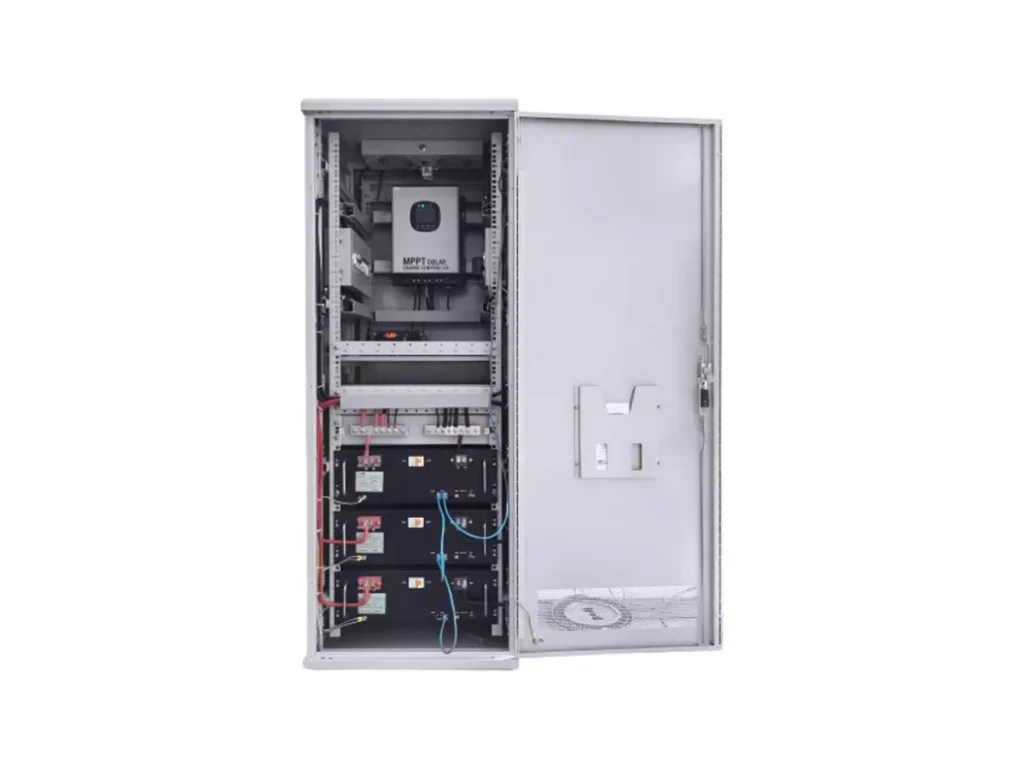
HJ-SZ03-05 compact micro-station cabinet combining photovoltaic site power, lithium backup, monitored branches and reserved space for passive fiber components.
The Photovoltaic Micro-Station Energy Cabinet combines network-access accommodation with a local energy platform for small outdoor communications sites. Model HJ-SZ03-05 brings grid, solar and stored-energy paths into a 700 × 550 × 400 mm cabinet suitable for a reviewed wall or pole installation.
Reserved fiber splice-tray and passive wavelength-division space helps coordinate optical access with site power. This provision does not define a universal fiber capacity; the optical assembly and the energy equipment must be laid out together around the required service access.
Start with the continuous load and explain any demand above the nominal 3 kW rating. Have engineering confirm the duration and conditions associated with the 6 kW maximum before using it in a load calculation. Size the solar input and battery autonomy from daily demand and local solar conditions, and check the combined weight against the mounting structure.
Huijue Group can review OEM identity, private-label presentation and layouts developed from a sample or drawing. Fiber accommodation, mounting hardware and power-interface changes need engineering confirmation of feasibility, tooling, electrical and structural tests, quantity and delivery scope.
Provide the site load curve, autonomy target, PV design, grid availability, output branches, required fiber components, wall or pole drawing and monitoring method.
| Model | HJ-SZ03-05 |
|---|---|
| Rated power | 3 kW |
| Maximum power | 6 kW |
| Maximum energy storage | 5 kWh |
| Energy input/output | Grid / photovoltaic / energy storage |
| Installation | Wall-mounted / pole-mounted |
| Dimensions | 700 × 550 × 400 mm |
Designed for outdoor wall/pole deployment. Confirm cabinet exposure, mounting loads, cable entries and thermal conditions; use the approved build specification for the final enclosure protection.
Buyer Questions
Answers specific to Photovoltaic Micro-Station Energy Cabinet selection, configuration and purchasing.
The design reserves accommodation for splice trays and passive wavelength-division components. Submit the optical parts list so space, cable routing and separation from power equipment can be checked.
The record distinguishes 3 kW rated power from 6 kW maximum power. Confirm the applicable maximum-power operating conditions before sizing a continuous load.
Five kWh is the maximum listed storage capacity. Runtime depends on actual consumption, usable battery energy, temperature and system losses; calculate it from the site's outage duty.
Use the deployment context to narrow the configuration before comparing dimensions, capacities and options.
Coordinate DC power, distribution, batteries and monitoring around communications loads.
Use integrated or wall-mounted systems where equipment space is limited.
Match generation, storage and power conversion to load and autonomy requirements.
Combine grid, solar, battery or generator inputs around a defined operating strategy.
Before quotation: confirm capacity, interfaces, installation environment, power conditions, quantity and required options.