
Case Study
Solar-Powered Unmanned Monitoring Station in Laos
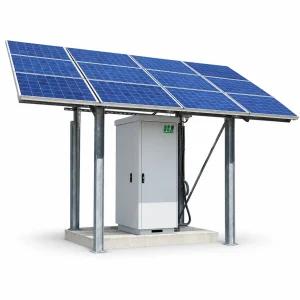
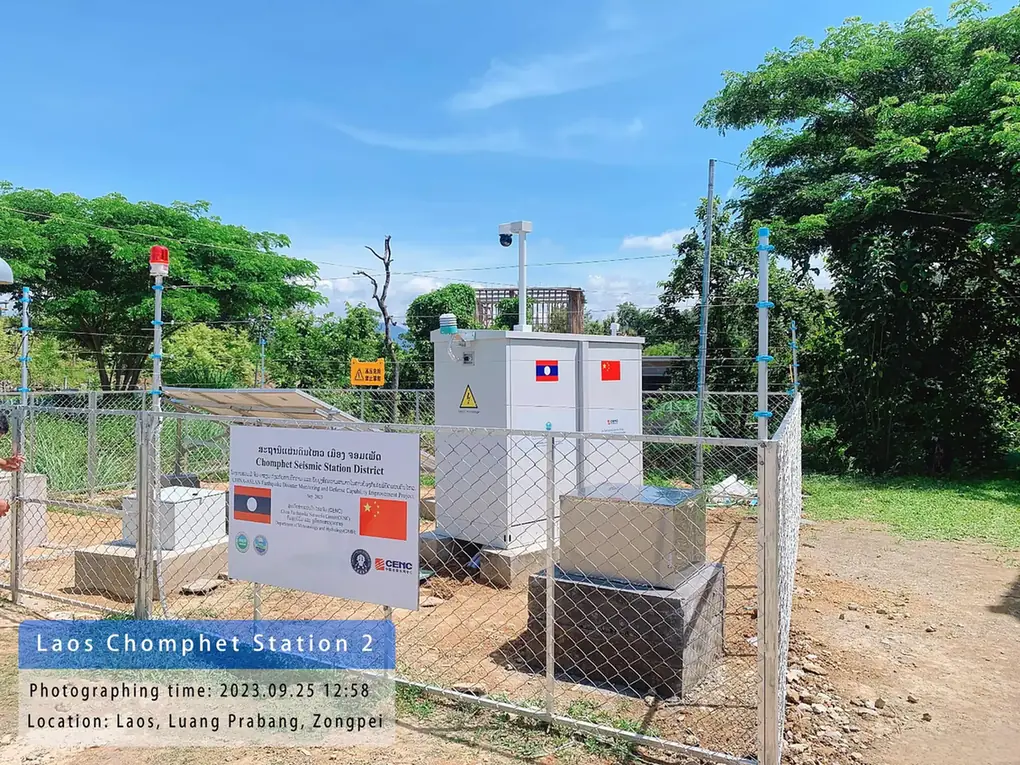
An unmanned monitoring station in Laos brought an outdoor cabinet, solar generation, battery storage, communication links and environmental supervision together around seismic-monitoring equipment.
Documented project
Project overview
An unmanned monitoring station needs more than a protected sensor. Its measurements have to remain powered, connected and visible to the people responsible for the site. In Laos, Huijue Group’s project combined an outdoor integrated cabinet with photovoltaic generation, battery storage, communications and monitoring equipment for an earthquake-monitoring application.
One station, several dependent functions
The published equipment scope includes an outdoor enclosure with temperature control, a photovoltaic system, integrated power, lithium battery storage, network communication, video surveillance and fiber-optic sensing. These functions serve different purposes: the energy system supports the load, the enclosure manages the equipment environment, the sensor produces measurement data and the communication path carries information away from the site.
- Application
- Unmanned seismic monitoring and early-warning support
- Location
- Laos
- Power architecture
- Photovoltaic generation, battery storage and integrated site power
- Site supervision
- Environmental monitoring, video and remote management
- Protection functions in the recorded scope
- Cabinet temperature control and lightning-protection equipment
Keep measurement and infrastructure responsibilities clear
The case is relevant to telecom and remote-infrastructure buyers because it connects energy, enclosure and communications functions at an unattended location. It should not be read as a claim that a generic energy cabinet is a seismic instrument. Sensor performance, installation coupling, calibration, data processing and warning decisions belong to the specialist monitoring system and its responsible operator.
| Function | Infrastructure review point |
|---|---|
| Sensing | Identify instrument power quality, consumption and physical installation needs. |
| Communication | Define the link, data destination, local buffering and response to lost connectivity. |
| Power | Check seasonal generation, storage reserve and critical versus noncritical loads. |
| Environment | Coordinate temperature control, water-ingress detection, access and equipment clearances. |
| Operation | Assign alarms, escalation, remote-access permissions and planned service visits. |
Design for conditions that cannot be fixed remotely
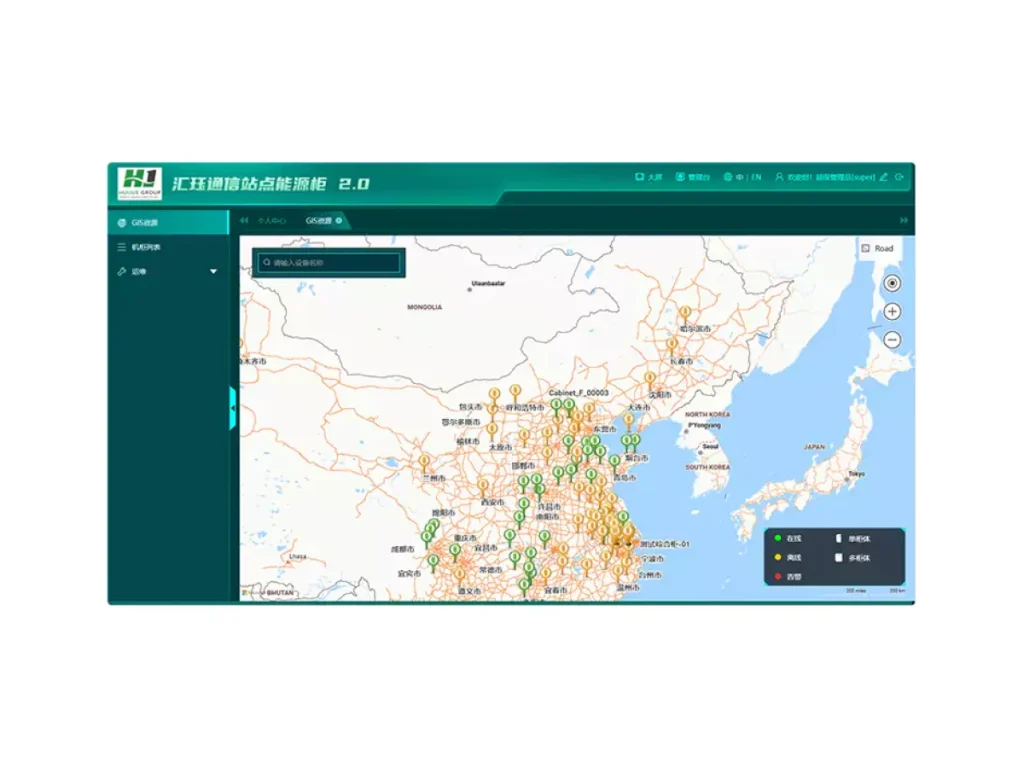
Remote supervision can report a low battery, but it cannot create sunlight during a prolonged poor-weather period. It can report temperature, but a blocked heat exchanger still needs an agreed response. For another station, separate local autonomous protection from remote observation. A network outage should not disable basic power protection, while loss of communications should itself become an actionable operating event.
Video surveillance and environmental sensors also consume energy. Their power must be included alongside the measuring instrument, network equipment and thermal-control load. A daily average alone may conceal start-up demand, nighttime operation or seasonal changes. The design brief should name which functions remain essential during an energy shortage and which, if any, can be shed under an approved policy.
Commissioning questions for a similar remote site
- Can the station maintain its approved local power logic when the remote link is disconnected?
- Are battery, temperature, door and power alarms identified at the intended receiving platform?
- Are grounding, surge-protection interfaces and external cable routes documented for the installation?
- Do maintenance instructions distinguish energy equipment from specialist sensing equipment?
- Are access arrangements, spare parts and alarm-response ownership agreed before handover?
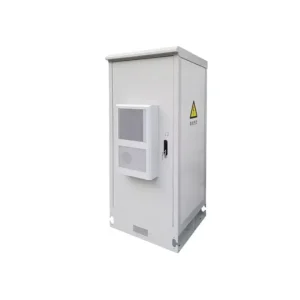
For a comparable project, the outdoor photovoltaic energy cabinet and outdoor telecom base-station cabinet offer relevant housing and power-integration families. Selection still requires the actual instrument load, communications method, environmental limits and site layout. Huijue Group can review cabinet size, internal zones, entries, sensor mounting and drawing-based customization; specialist instruments and software remain subject to the confirmed project scope. Submit a remote-station equipment and power brief for configuration review.
Product pathways
Relevant product families
Use these products as configuration references. Final model selection depends on the approved project inputs.
Manufacturer support
Review the complete system before fixing the bill of materials
Huijue Group supports OEM, private-label and drawing-based customization subject to engineering review and the confirmed production scope.