
Site Monitoring & Management Solutions
Telecom Site Energy & Environmental Monitoring
Define meaningful power, battery, environmental and access data for telecom cabinets, then coordinate local collection, remote alarms and maintenance workflows without confusing supervisory software with equipment protection.
Planning and configuration
Solution overview
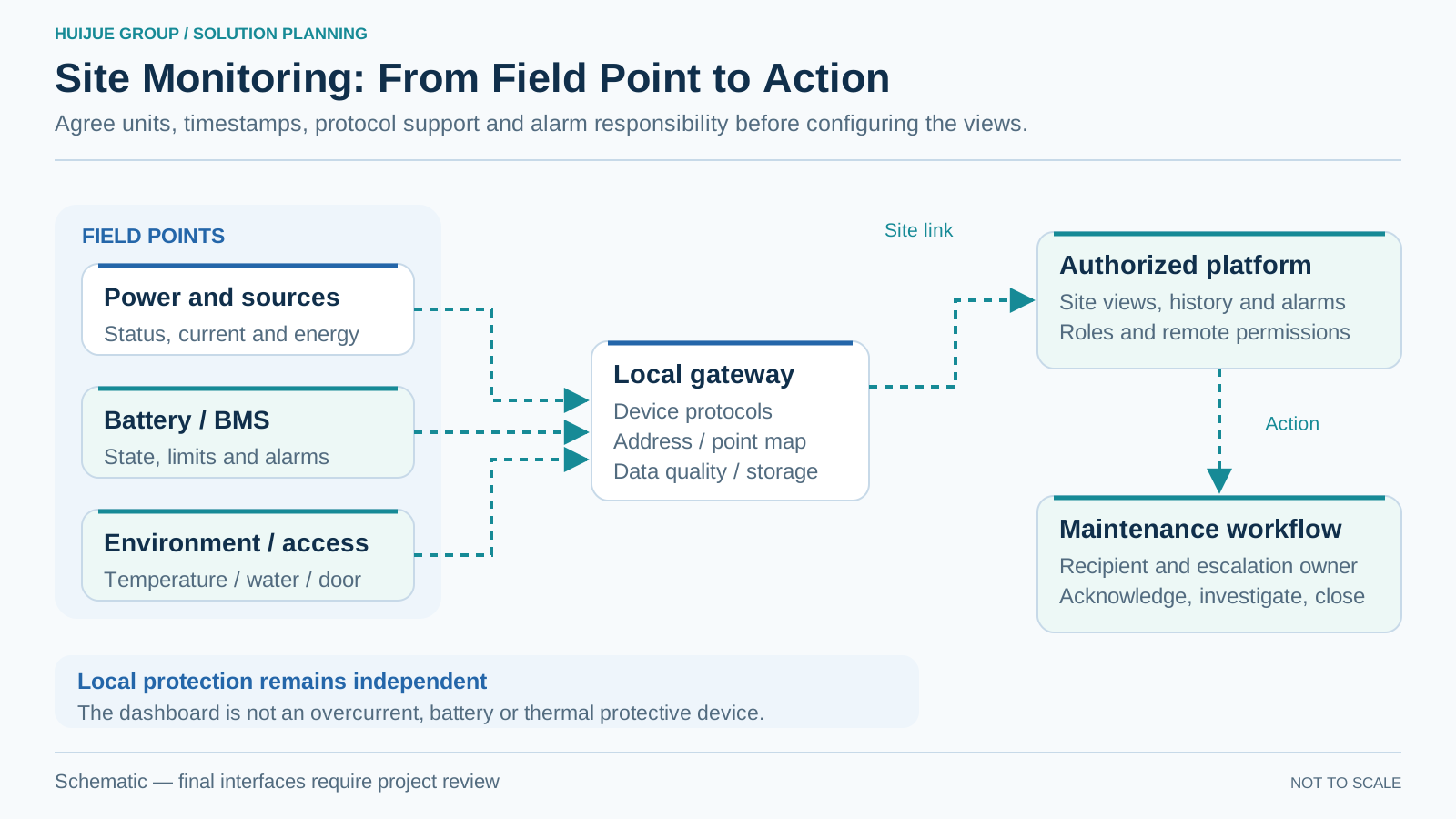
A telecom monitoring project is useful when an alarm leads to an appropriate decision. Collecting every available register is not the same as knowing whether a site has lost utility power, is running out of battery reserve or needs an inspection for water ingress. Huijue Group can review cabinet-level data collection and multi-site visibility around the actual power equipment, environmental devices and maintenance process.
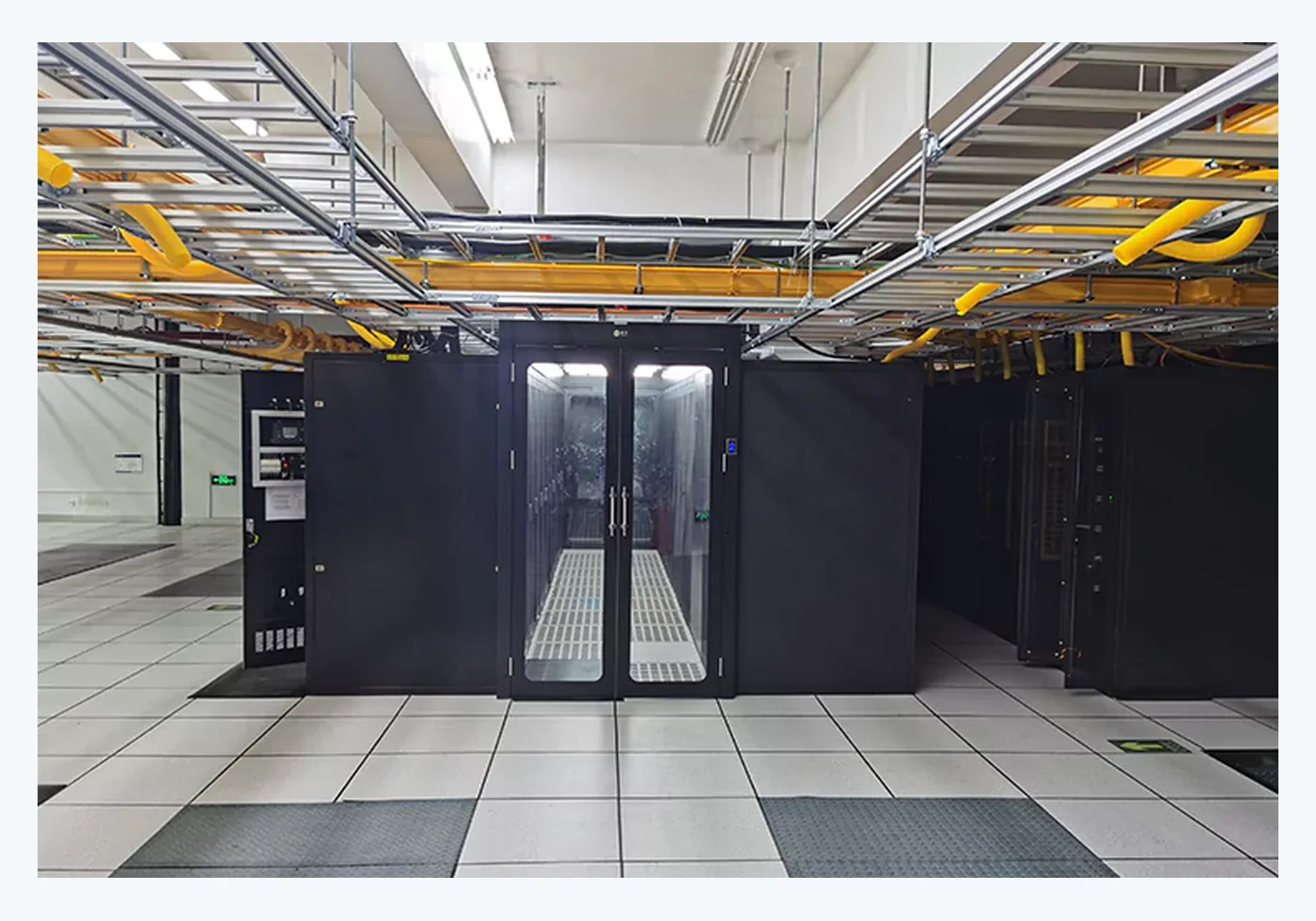
This solution addresses integrated energy cabinets, indoor power rooms and distributed communications locations. It starts with the condition to detect and the person responsible for acting on it. Sensors, gateways, network links and software views are then selected to support that operating model, rather than specifying a dashboard first and discovering incompatible devices later.
Separate measurements, events and control requests
- Measurements
- Values sampled over time, such as current, voltage, cabinet temperature and energy readings. Units, scale, sampling interval and timestamps must be agreed.
- Events and alarms
- Changes that need attention, such as mains failure, water detection or a persistent high-temperature condition. Priority, delay, acknowledgement and clearance behavior need an owner.
- Control requests
- Authorized actions sent to compatible equipment. Permission, interlocks, command feedback and the consequences of communications failure must be reviewed separately from read-only monitoring.
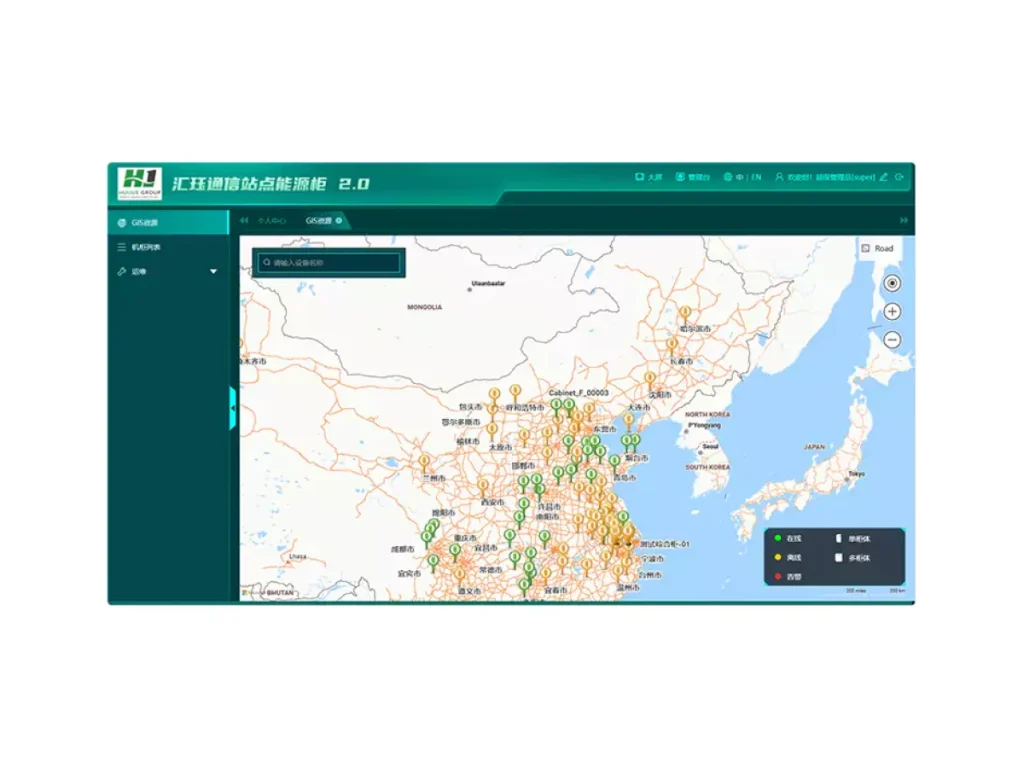
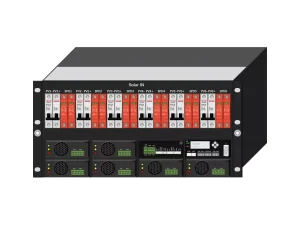
The Telecom Site Energy Management System (EMS) is the relevant software family for site geography, cabinet status, alarms and maintenance information. Its managed resources may include utility power, PV, batteries, UPS, PDU, security and environmental equipment. That scope is a starting point for integration, not a promise that an undocumented third-party device will connect without adaptation.
Build a point schedule around operational questions
| Question | Possible evidence | Configuration detail |
|---|---|---|
| Is normal power available? | Input status, rectifier alarms, DC voltage and load current | Source identity, alarm delay and unit scaling |
| Is battery reserve at risk? | BMS status, current, temperature and configured reserve indication | Supported protocol, battery identity and operator thresholds |
| Is the enclosure environment acceptable? | Temperature/humidity, cooling state, smoke or water inputs | Sensor positions, contact behavior and alarm priority |
| Can the site be serviced securely? | Door event, access status and communications health | User roles, event retention and escalation responsibility |
Use the table as an editorial starting schedule, not a fixed set of fitted sensors. A battery compartment and a rectifier compartment may need different measurement locations. A door-open event during approved maintenance may require different handling from an unexpected opening. Define these distinctions before asking the software team to configure alarms.
Match data interfaces to the actual equipment
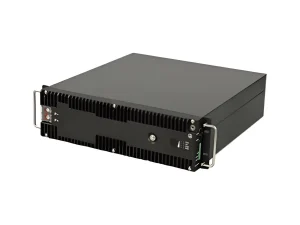
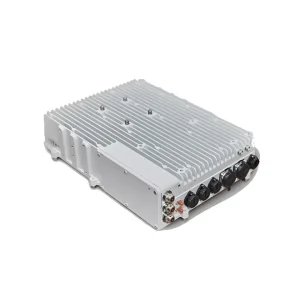
The Smart Telecom LiFePO4 Backup Battery Module lists RS485 and CAN interfaces. The Telecom MPPT Solar Charge Controller includes compact models with an RS485/Modbus arrangement. Each device still needs a documented register map, addressing, supported commands and tested gateway configuration. Sharing a physical connector or interface name is not sufficient evidence of interoperability.
For compact distributed installations, the 5G Intelligent Integrated Power Supply provides another monitored equipment option. Its remote and near-field maintenance functions should be identified individually in the order. Do not presume that all listed communications methods are included in every delivered unit.
Make commissioning a data-quality exercise
- Compare displayed measurements with approved reference readings and confirm sign conventions for battery charge and discharge.
- Exercise agreed sensor events and check the complete route: field detection, gateway, timestamp, platform display, recipient and acknowledgement.
- Test loss and restoration of the communications path, including the treatment of missing values and repeated notifications.
- Check user roles and any permitted remote commands with the equipment owner before releasing operational access.
- Deliver the final point list, device identities, interface versions, alarm policy and change-control record to the maintenance team.
Scope the information needed for integration
Huijue Group can coordinate cabinet sensors, device mounting, wiring, gateway space and identification during manufacturing. OEM or private-label work may include approved interface labels and cabinet presentation; custom software or third-party platform connections require a separately agreed scope. Provide the site count, device makes/models, protocol documents, sensor schedule, connectivity method, hosting requirements, access roles, retention expectations and alarm recipients.
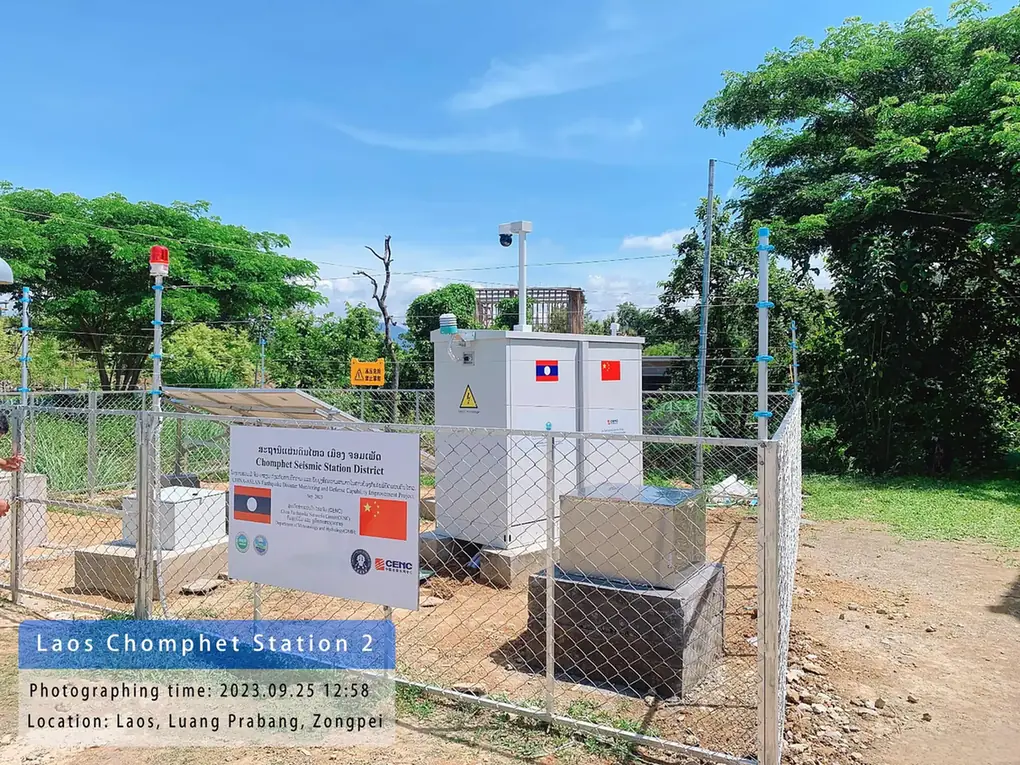
The Laos unmanned monitoring station is a relevant remote-site application reference. Its field-monitoring and communications requirements illustrate the importance of defining system interfaces; the case should not be read as evidence that every software function described on this solution page was deployed there.
Where new conversion and storage equipment are also required, use the telecom site power and backup solution to define the electrical system before fixing its monitoring points. Send the equipment inventory and alarm workflow for an integration review.
Product pathways
Related products
Use these products as configuration references. Final model selection depends on the approved project inputs.
Manufacturer support
Review the complete system before fixing the bill of materials
Huijue Group supports OEM, private-label and drawing-based customization subject to engineering review and the confirmed production scope.