
Core equipment rooms
Coordinate DC power, distribution, batteries and monitoring around communications loads.
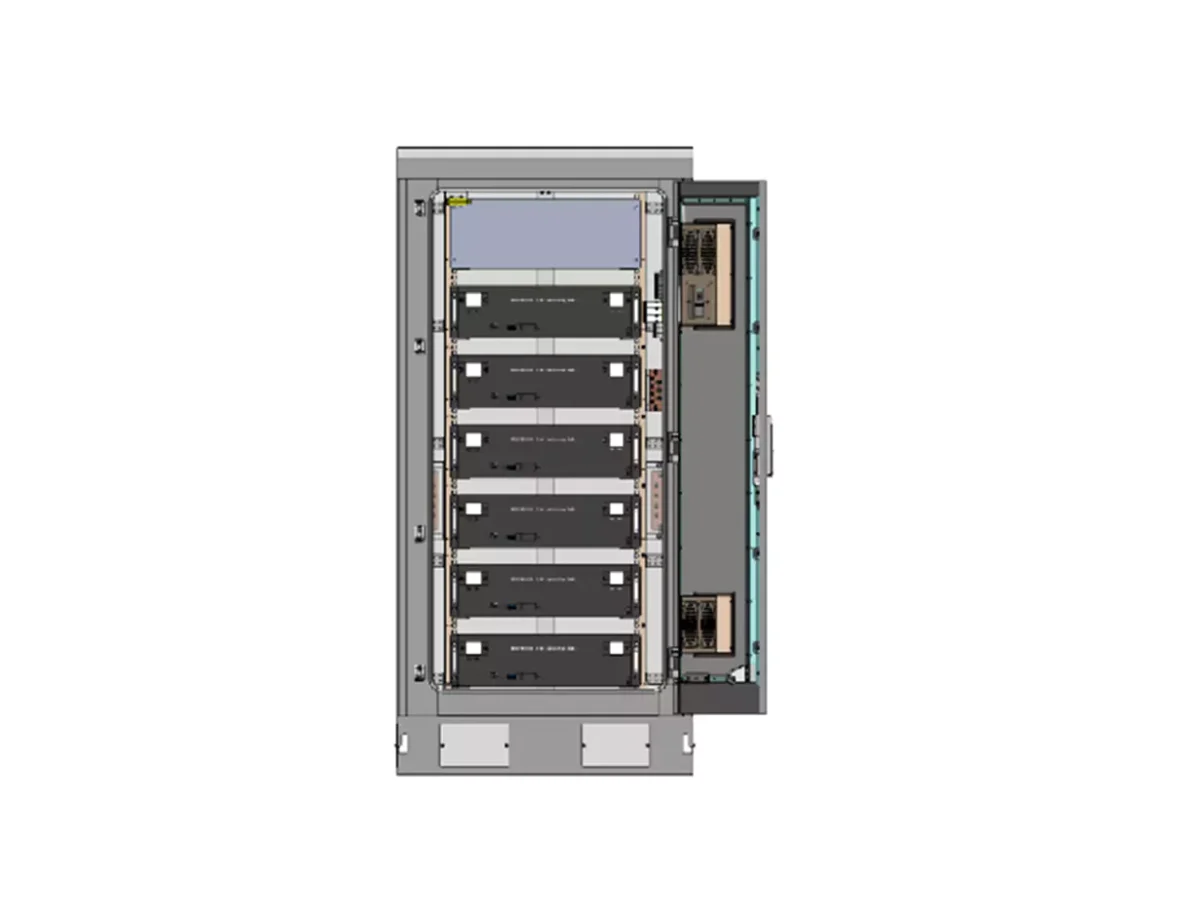
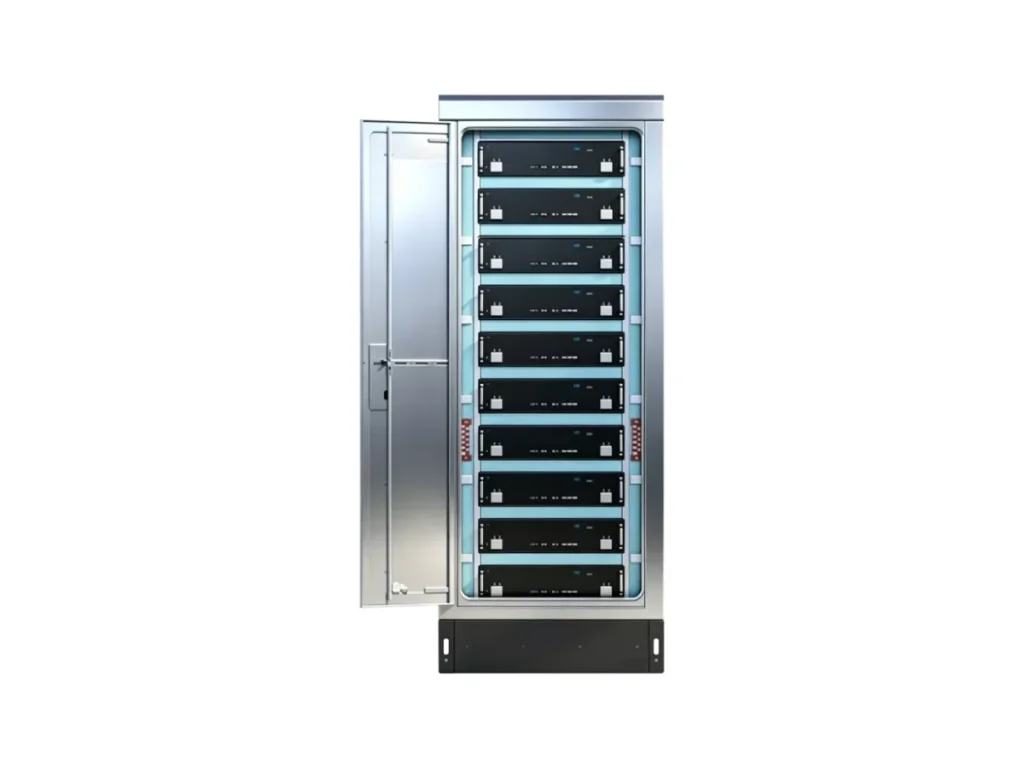
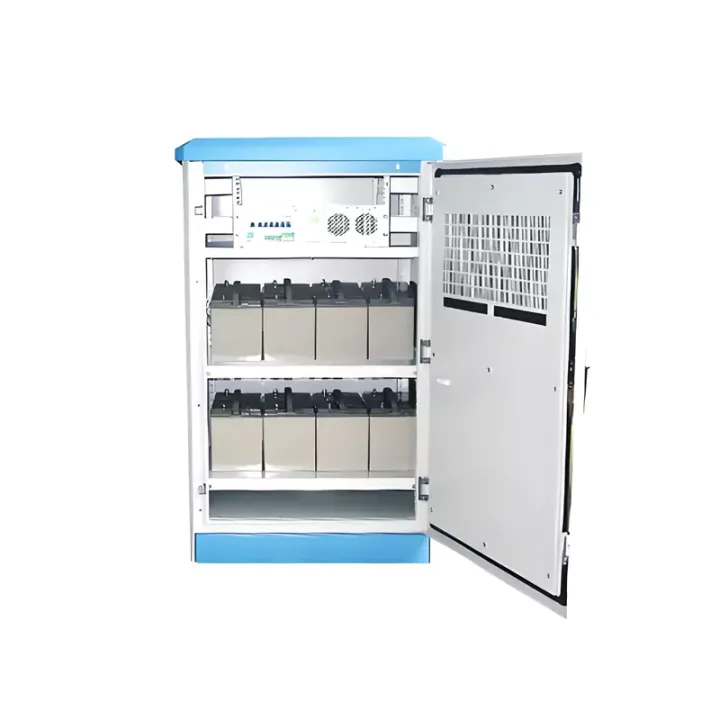
HJ-ZB battery cabinet range from 15 to 50 kWh, integrating battery management, distribution and cabinet support functions across wall, pole and floor formats.
The Multi-Environment Telecom Site Battery Cabinet provides coordinated battery storage for projects where separately arranging the pack, protection, distribution and environmental subsystems would complicate installation. HJ-ZB15, HJ-ZB20, HJ-ZB30, HJ-ZB40 and HJ-ZB50 correspond to maximum storage capacities of 15, 20, 30, 40 and 50 kWh.
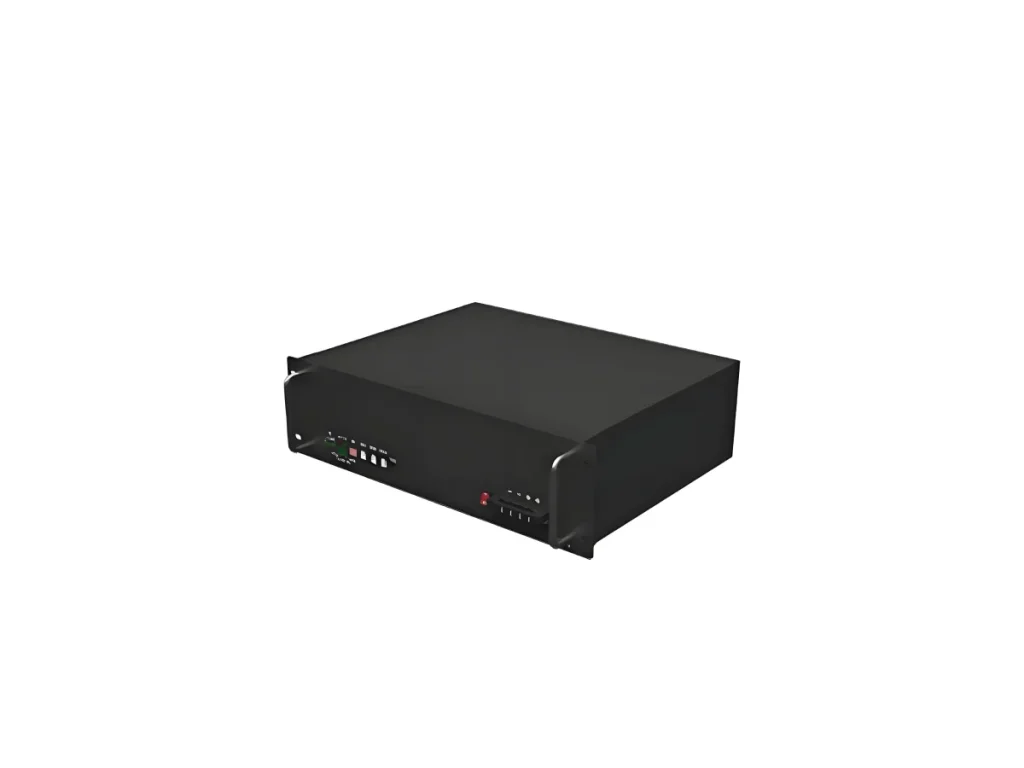
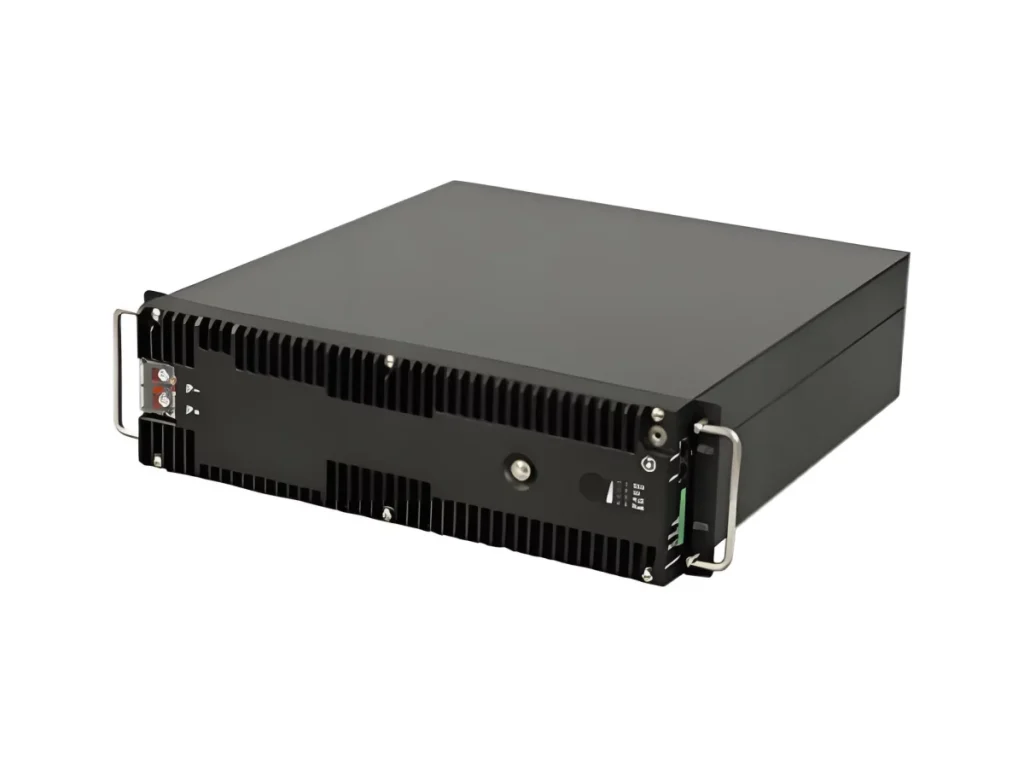
The mechanical format changes with capacity. HJ-ZB15 uses a 700 × 550 × 400 mm wall/pole cabinet with three battery modules; the larger floor-standing variants use four, six, eight or ten modules. Select from the electrical requirement before fixing the mounting method.
Storage capacity alone does not establish acceptable load current or backup duration. Confirm the DC bus, module specification, discharge profile and protection scheme. Select the indoor/outdoor protection configuration explicitly, and verify cooling and warning interfaces against the host site.
Huijue Group can assess private-label cabinet supply, OEM battery layouts and drawing- or sample-based assemblies. Battery matching, fire-protection scope and mounting changes require engineering review of feasibility, tooling, tests, order quantity and the precise delivery boundary.
Send load/current data, backup hours, preferred capacity, placement drawing, battery chemistry requirement, protection rating, thermal strategy and remote alarm points.
| Model | HJ-ZB15 | HJ-ZB20 | HJ-ZB30 | HJ-ZB40 | HJ-ZB50 |
|---|---|---|---|---|---|
| Maximum energy storage | 15 kWh | 20 kWh | 30 kWh | 40 kWh | 50 kWh |
| Battery modules | 3 | 4 | 6 | 8 | 10 |
| Installation | Wall / pole | Floor-standing | Floor-standing | Floor-standing | Floor-standing |
| Dimensions | 700 × 550 × 400 mm | 1200 × 700 × 700 mm | 1600 × 700 × 700 mm | 1900 × 750 × 750 mm | 2200 × 750 × 750 mm |
State indoor or outdoor placement and choose the appropriate IP20 or IP55 build. Confirm operating temperatures, corrosion exposure, battery service clearance and floor or mounting-structure loading.
Buyer Questions
Answers specific to Multi-Environment Telecom Site Battery Cabinet selection, configuration and purchasing.
The published pole/wall format applies to HJ-ZB15. The 20–50 kWh variants are floor-standing and need a suitable foundation or floor.
The range lists IP20 and IP55 options. The quotation must identify the build appropriate to the installation rather than assume a common rating.
Provide the load profile, outage duration, discharge current and environmental conditions. Engineering can then check usable energy, module configuration and the required operating margin.
Use the deployment context to narrow the configuration before comparing dimensions, capacities and options.
Coordinate DC power, distribution, batteries and monitoring around communications loads.
Use integrated or wall-mounted systems where equipment space is limited.
Match generation, storage and power conversion to load and autonomy requirements.
Combine grid, solar, battery or generator inputs around a defined operating strategy.
Before quotation: confirm capacity, interfaces, installation environment, power conditions, quantity and required options.