
Core equipment rooms
Coordinate DC power, distribution, batteries and monitoring around communications loads.
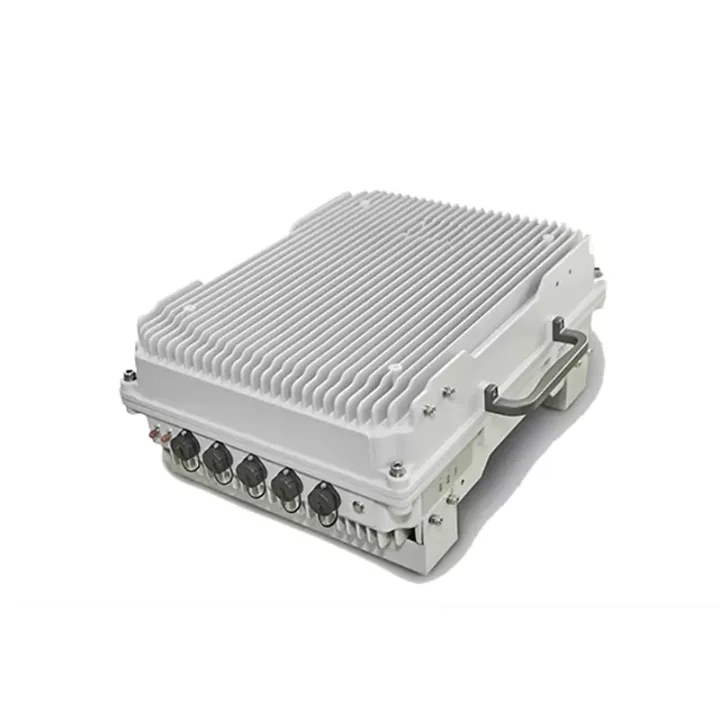
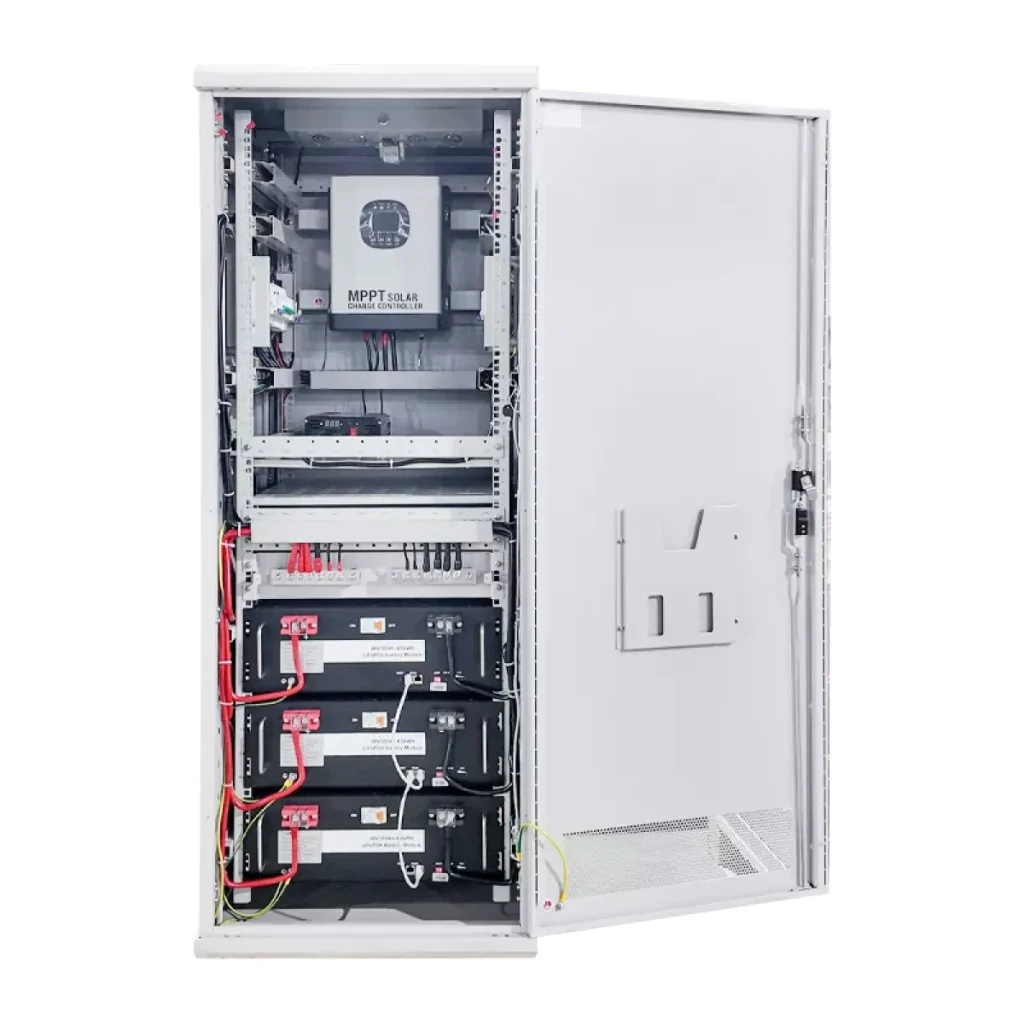
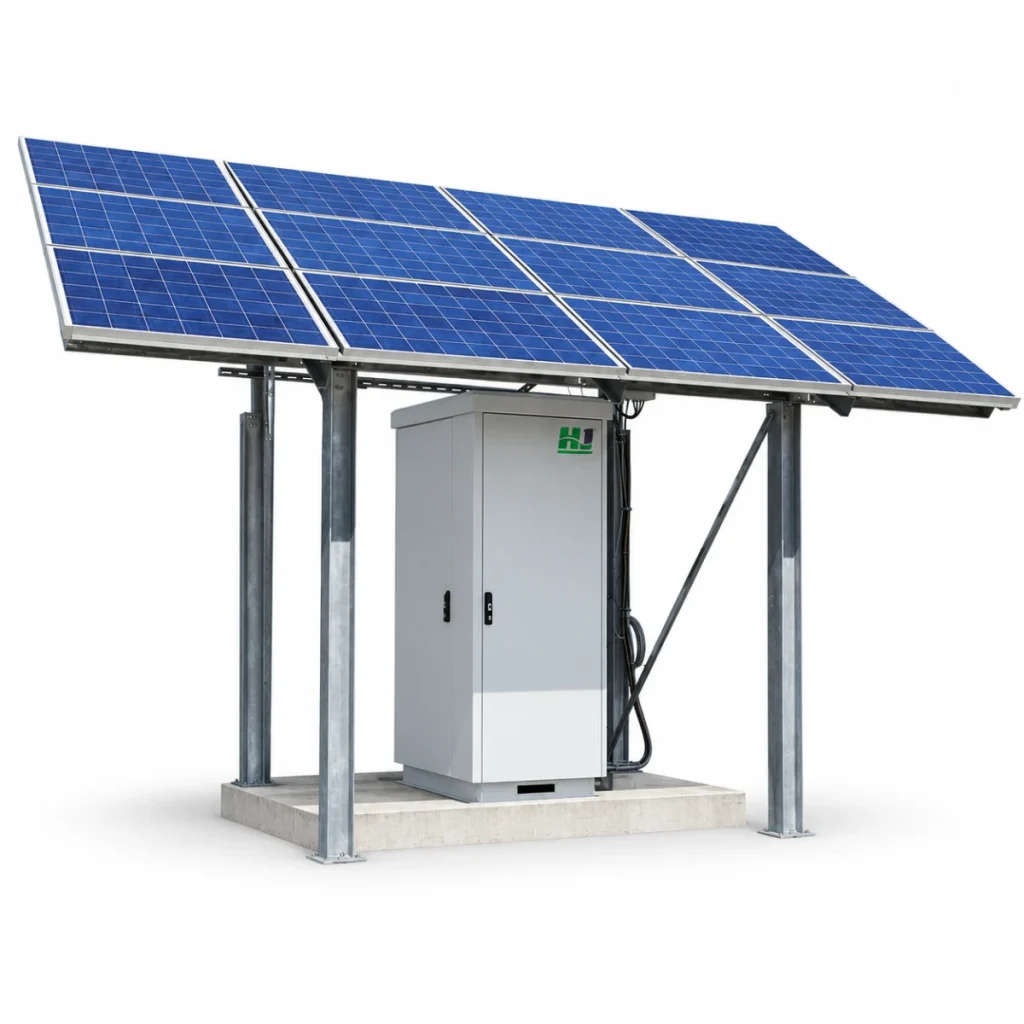
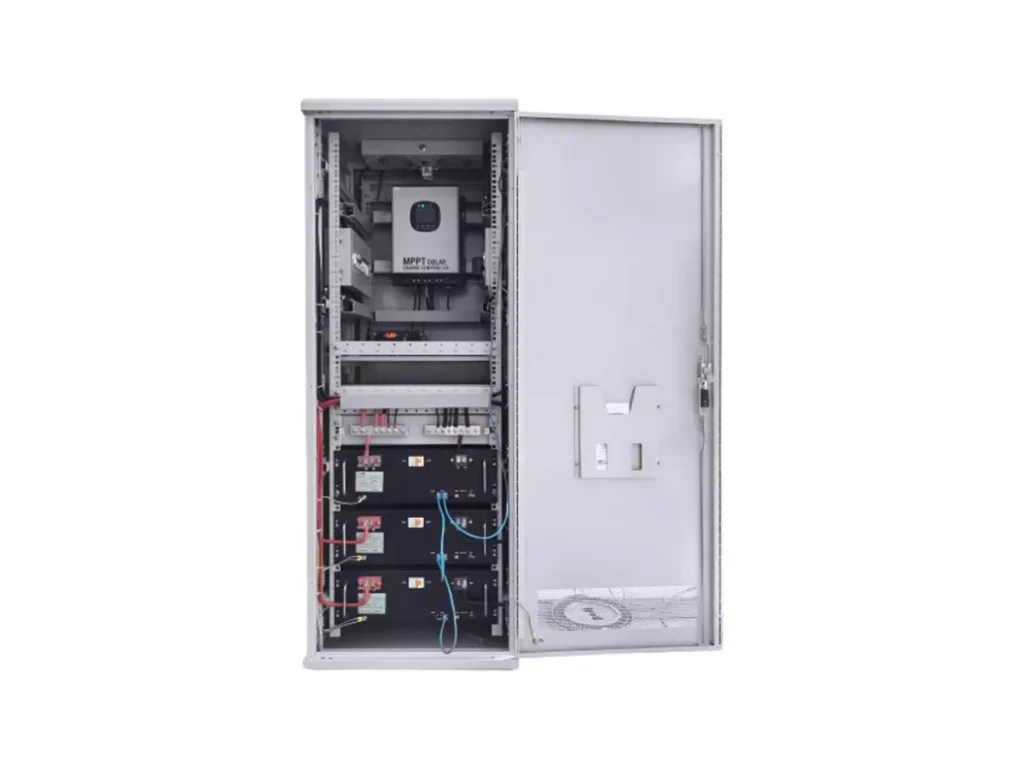
Distributed micro-site power units with modular backup batteries, monitored DC branches and a separate boost option for equipment requiring 280 V DC.
The Micro-Site Integrated Power Supply places power conversion and backup close to small communications loads. The range includes HJ048 2 kW, 3 kW and 6 kW supplies, a separate HJ280 1 kW unit, and HJ04820L or HJ04850L battery modules. These are different building blocks, so an order should identify the power unit, battery and output arrangement individually.
The boost unit addresses equipment that needs 280 V DC rather than a direct 48 V-class feed. For larger distributed installations, the documented 2/3 kW supplies and 20/50 Ah batteries allow parallel arrangements subject to the approved connection design.
Separate continuous output demand from battery recharge demand. Check the exact field-equipment voltage before choosing a direct supply or boost stage, then calculate backup capacity from load and outage duration. The branch ratings are connection limits, not a statement that every branch can operate at full rating simultaneously.
Huijue Group can review OEM identification, private-label units and sample- or drawing-based micro-site assemblies. Changes to branch connections, battery matching and reporting hardware need engineering assessment of feasibility, tooling, tests, quantity and the delivery scope.
Send the radio/equipment list, required output voltage, continuous and peak watts, backup hours, battery quantity, AC supply, branch schedule and operator monitoring interface.
| HJ048(6KW) | HJ048(2KW) | HJ048(3KW) | HJ280(1KW) | HJ04820L | HJ04850L | |
|---|---|---|---|---|---|---|
| Capacity | 6000W | 2000W | 3000W | 1000W | 20Ah/960Wh | 50Ah/2400Wh |
| 342*442*98(mm) | 417*310*100(mm) | 417*310*100(mm) | 417*310*100(mm) | 425*310*121(mm) | 425*310*170(mm) | |
| ≤15Kg | 12Kg | 12Kg | 10Kg | 20Kg | 30Kg | |
| Cycle life | / | / | / | / | 1200 cycles (default 5A charge) | 1200 cycles (default 5A charge) |
| AC176-264V | AC176-264V | AC176-264V | DC40-60V | DC48V | DC48V | |
| / | 8 pcs | 8 pcs | / | 4 pcs | 4 pcs | |
| Communication | RS485/CAN/NB_IOT_2G | RS485/CAN/NB_IOT_2G | RS485/CAN/NB_IOT_2G | RS485 | RS485 | RS485 |
| DC:7*40A (with breakers), battery branch:2*125A, parallel port:1*30A | DC:3*30A (with breakers), battery branch:1*60A, parallel port:1*60A | DC:3*30A (with breakers), battery branch:1*60A, parallel port:1*60A | 3 circuits | 2*60A aviation connectors | 2*60A aviation connectors | |
| Available | Available | Available | Available | Available | Available |
Confirm the installation enclosure, mounting, connector exposure and thermal conditions for each selected module. Power supplies and batteries have different size, current and environmental requirements.
Buyer Questions
Answers specific to Micro-Site Integrated Power Supply selection, configuration and purchasing.
It is the separate 1 kW boost option with a documented 40–60 V DC input for the higher-voltage equipment path. Confirm the required 280 V DC load and connection arrangement before specifying it.
The range supports parallel battery arrangements. The permitted module combination, current sharing, protection and connector layout must be approved for the chosen power unit.
No. The total load remains limited by the selected 2 kW or 3 kW power unit and the approved operating conditions, even when the branch devices have higher combined ratings.
Use the deployment context to narrow the configuration before comparing dimensions, capacities and options.
Coordinate DC power, distribution, batteries and monitoring around communications loads.
Use integrated or wall-mounted systems where equipment space is limited.
Match generation, storage and power conversion to load and autonomy requirements.
Combine grid, solar, battery or generator inputs around a defined operating strategy.
Before quotation: confirm capacity, interfaces, installation environment, power conditions, quantity and required options.