
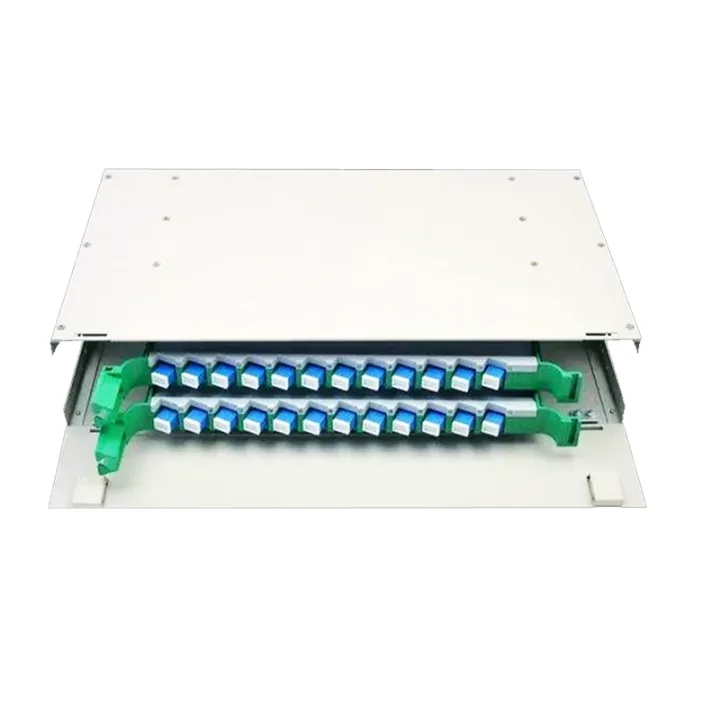
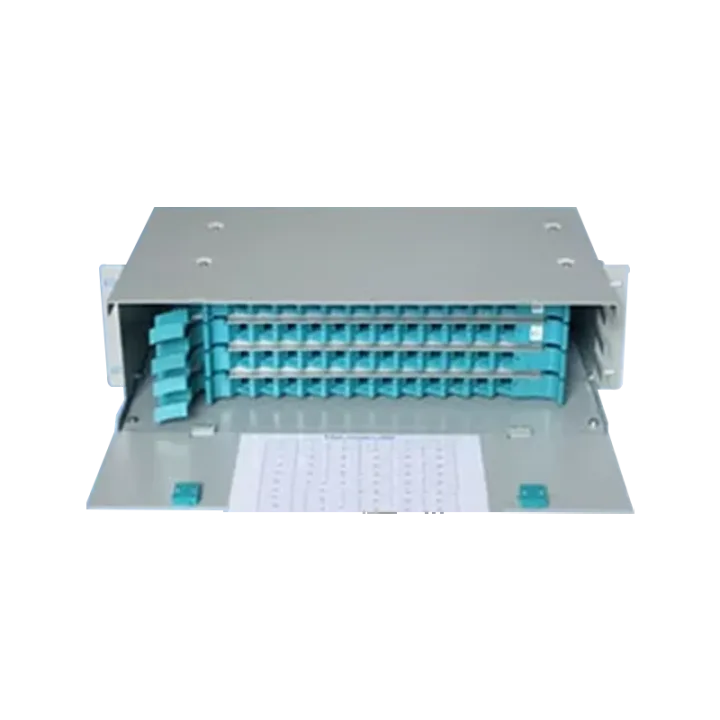
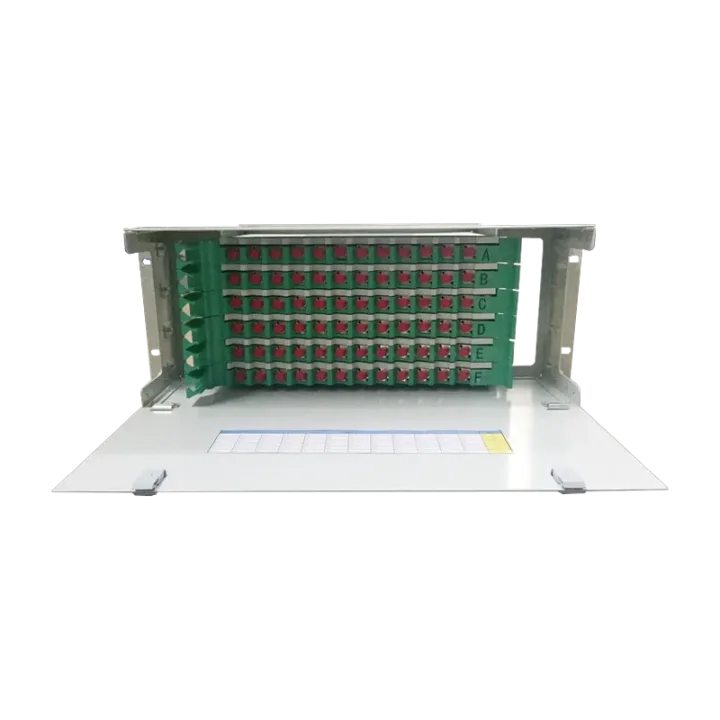
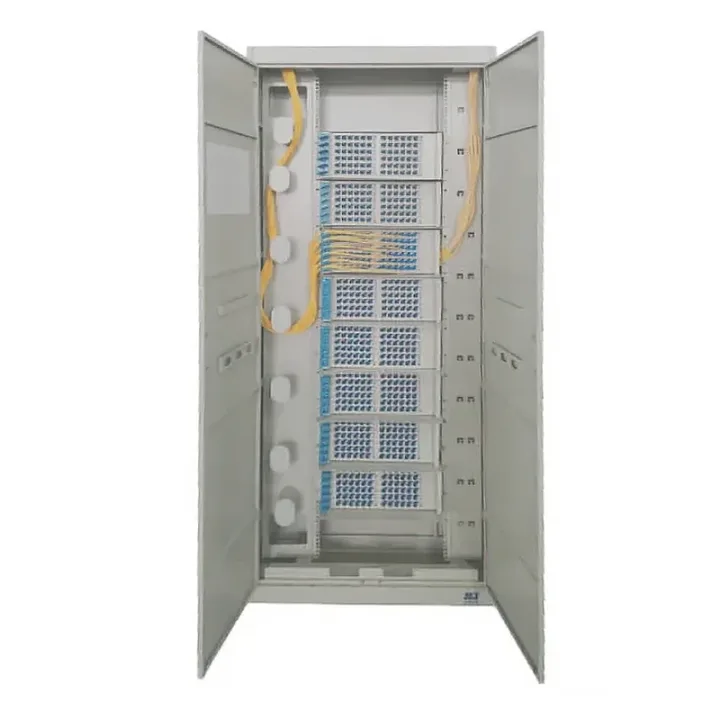
Central offices and equipment rooms
Organize high-capacity termination, cross-connection and patching with defined service access.
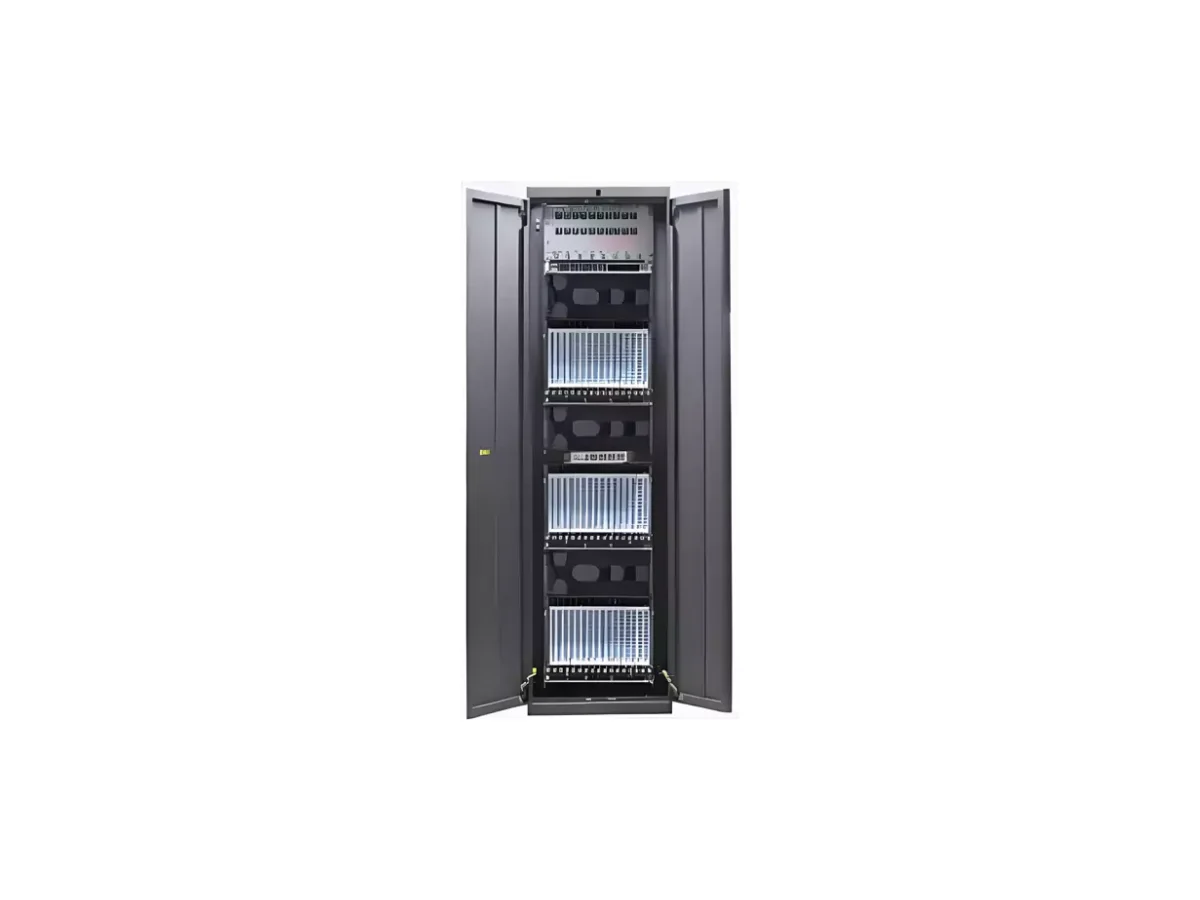
Intelligent Optical Distribution Network software and field hardware connect electronic port identity, smart trays, frame managers and work-order data for project-specific ODN digitization.
Intelligent Optical Distribution Network (IODN) adds electronic identification and control to traditional fiber distribution. Smart tray covers, labels and frame-level devices exchange port information and work instructions with management software, helping the physical fiber resource map follow field changes.
Inventory existing frames, trays and adapters before choosing retrofit parts. Define the work-order process, field power and management interface; electronic covers require verified mechanical fit with installed hardware.
Huijue Group can assess OEM IODN hardware, private-label presentation and sample/drawing-based tray interfaces. Engineering feasibility, tooling, interoperability tests, quantities and delivery/software scope need confirmation.
Send frame/tray inventory, port count, connector types, retrofit extent, field communications and OSS/resource-system requirements.
| Operating temperature | -40°C to 80°C |
|---|---|
| Operating humidity | 0–93% RH |
| Atmospheric pressure | 70–106 kPa |
| Connector durability | >500 mating cycles |
| System configuration | Project-specific |
Carrier ODF rooms, access resource management and modernization of traditional distribution hardware.
Published component conditions are −40°C to +80°C, 0–93% RH and 70–106 kPa. Confirm each installed device and power arrangement.
Buyer Questions
Answers specific to Intelligent Optical Distribution Network (IODN) selection, configuration and purchasing.
No universal fit is established. Provide drawings or samples and confirm mechanical and connector compatibility.
Define platform interfaces, data migration, user roles and commissioning responsibilities as a separate agreed system scope.
The work process must still define how technicians confirm physical changes and update records; electronic identification supports that process.
Use the deployment context to narrow the configuration before comparing dimensions, capacities and options.
Organize high-capacity termination, cross-connection and patching with defined service access.
Place splitter, terminal and distribution boxes at the correct feeder-to-drop transition.
Protect branching and splicing around cable entries, sealing, tray capacity and mounting method.
Reserve fibers, ports and internal routing space for staged subscriber or backbone growth.
Before quotation: confirm capacity, interfaces, installation environment, power conditions, quantity and required options.