
Telecom base stations
House communications, power and battery equipment in a serviceable outdoor enclosure.
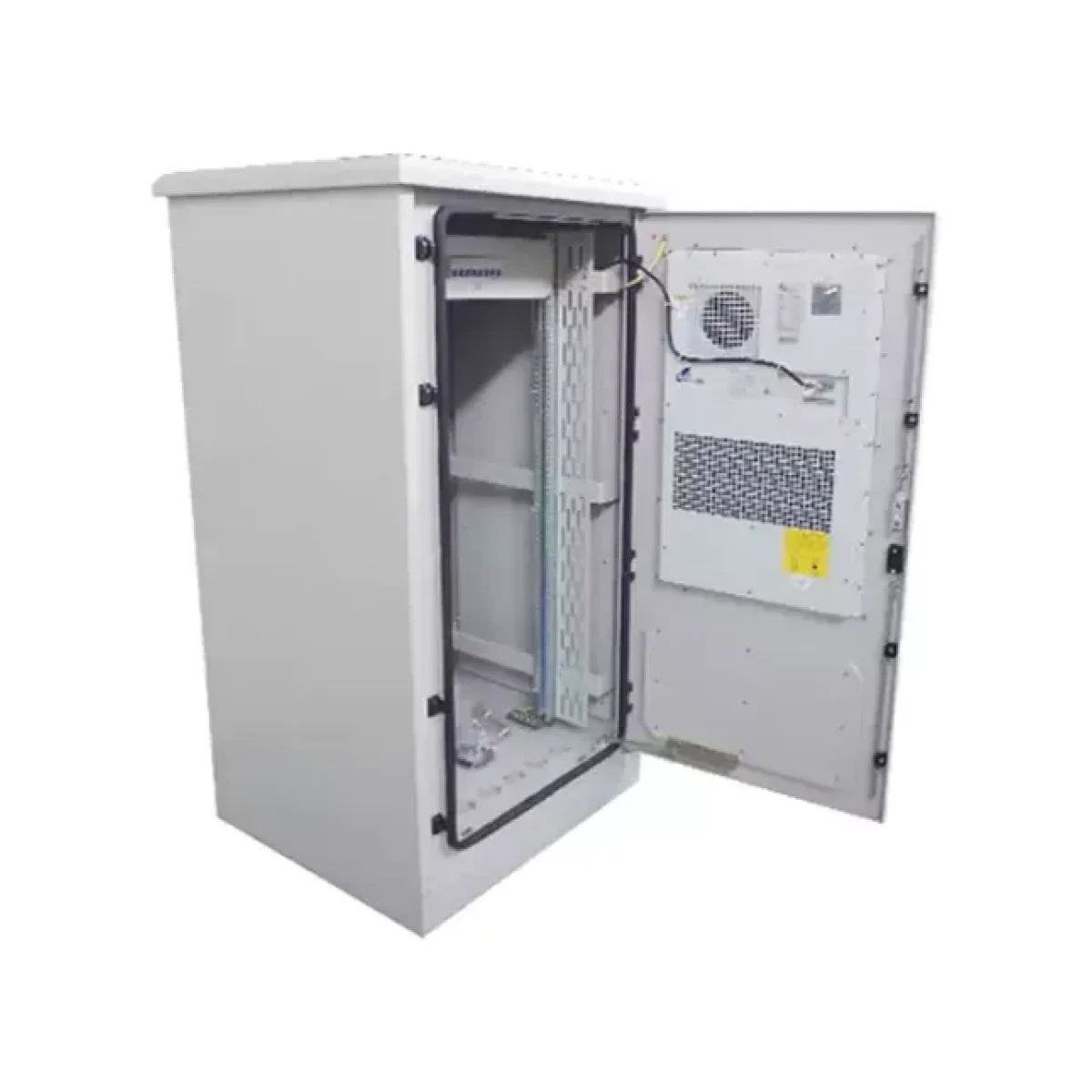
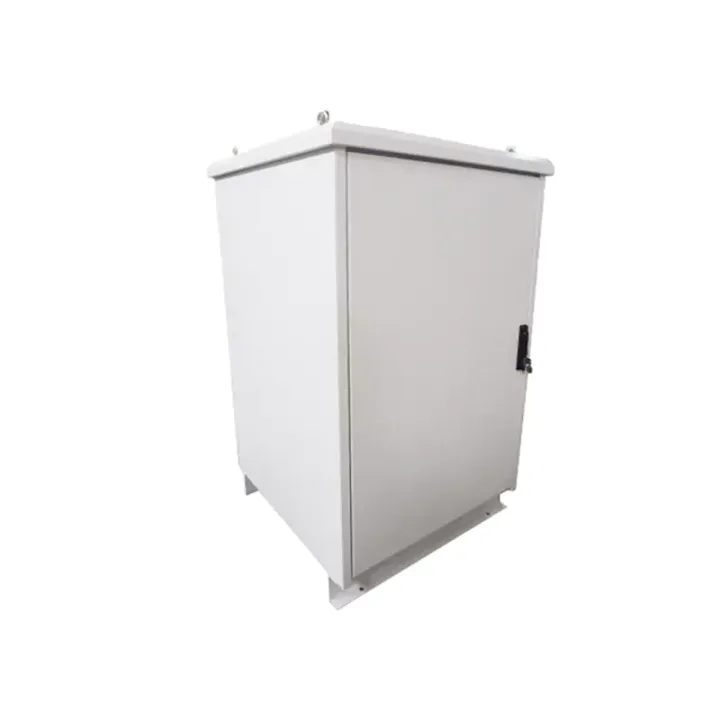
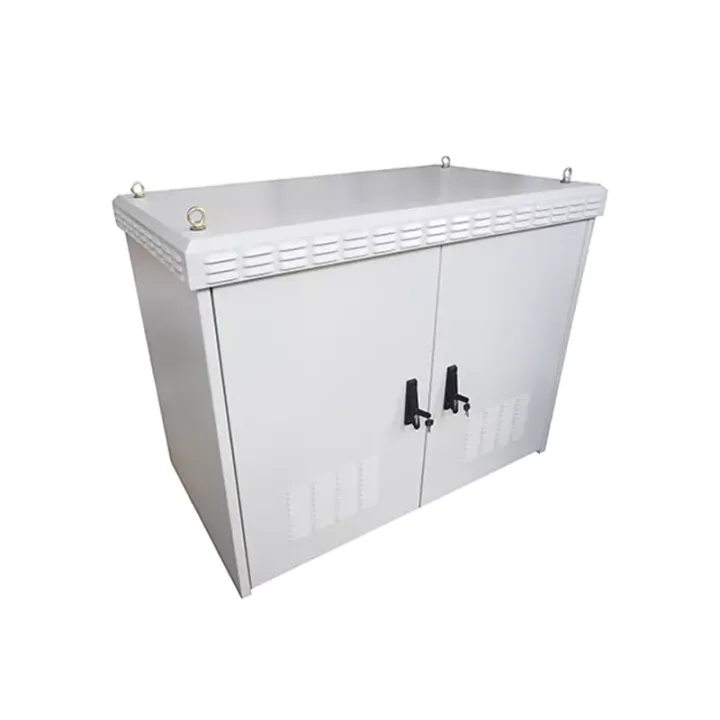
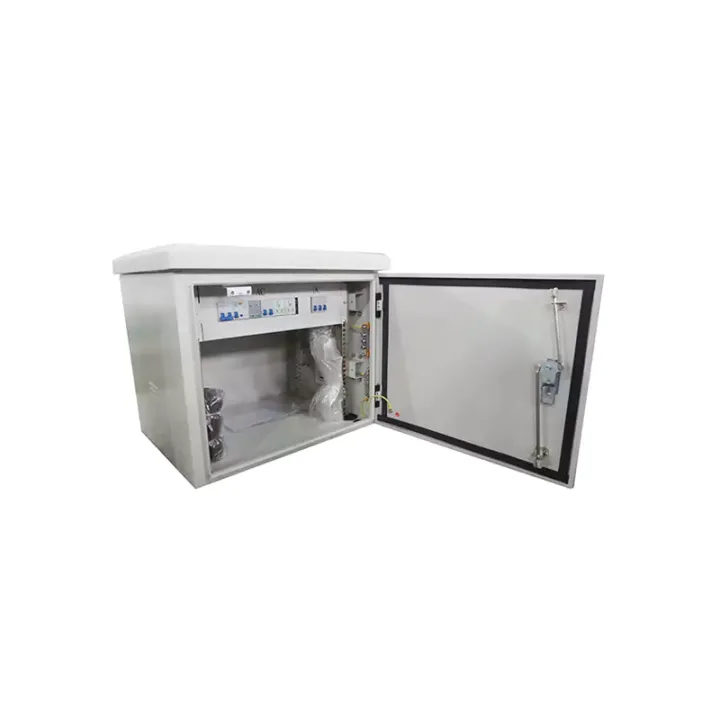
A configurable metal outdoor enclosure for telecom equipment, ventilation and site power, with material, thickness and grounding provisions selected around the intended installation.
The welded frame can be specified with galvanized steel, stainless steel or aluminum; source-listed sheet thickness is 1.2–2.0 mm. Three-point locking and internal fasteners support access control. Grounding provisions are described for optical-cable strength members, armored power cables and feeders.
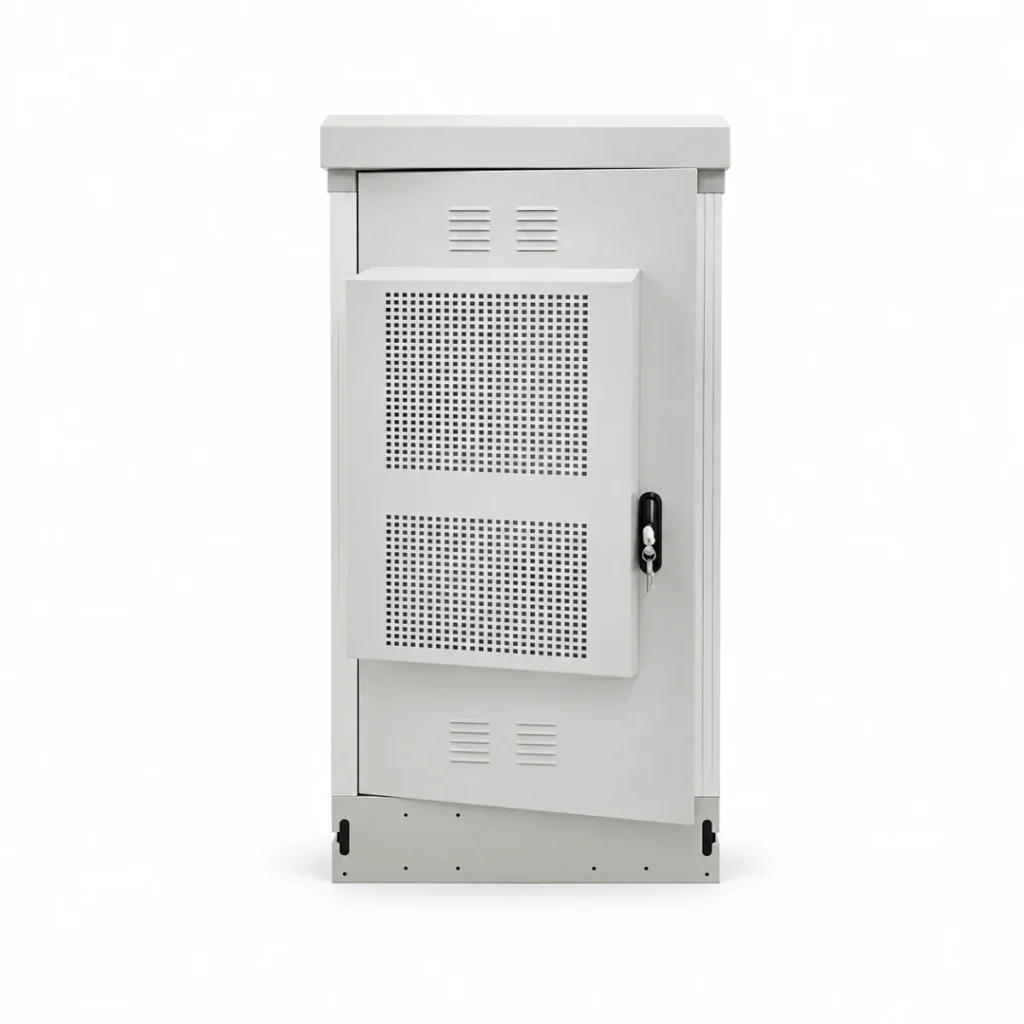
The Fan-Cooled Outdoor Telecom Cabinet provides an enclosure framework for communications equipment, power distribution, environmental monitoring and backup batteries. It is intended for outdoor installations where the equipment can operate with an appropriately engineered ventilation system.
No fixed rack height, dimensions or fan capacity are established in the available record. Selection therefore starts with equipment fit and a heat-balance review, followed by a confirmed cabinet drawing.
Huijue Group can assess an OEM fan-cooled cabinet or private-label supply developed from customer drawings and samples. Proposed dimensions, tooling, thermal verification, quantities and delivery scope require confirmation before manufacture.
Send the equipment schedule, target internal temperature, ambient design conditions, available fan supply and material preference.
| Configuration | Project-specific; confirm requirements before quotation. |
IP55 or higher is source-listed. The required fan maintenance, contaminant exposure and installed sealing details should be reviewed for each location.
Buyer Questions
Answers specific to Fan-Cooled Outdoor Telecom Cabinet selection, configuration and purchasing.
The record does not define one capacity. Submit your rack and cable-space requirement for a dimensioned proposal.
Fan ventilation alone does not establish below-ambient cooling. Confirm the equipment limits and thermal conditions before selecting the cooling approach.
Use the deployment context to narrow the configuration before comparing dimensions, capacities and options.
House communications, power and battery equipment in a serviceable outdoor enclosure.
Protect distributed equipment while maintaining cable entry and service access.
Coordinate cabinet capacity, thermal management and equipment zoning.
Fit protected infrastructure into space-constrained or visually sensitive locations.
Before quotation: confirm capacity, interfaces, installation environment, power conditions, quantity and required options.