
Core equipment rooms
Coordinate DC power, distribution, batteries and monitoring around communications loads.
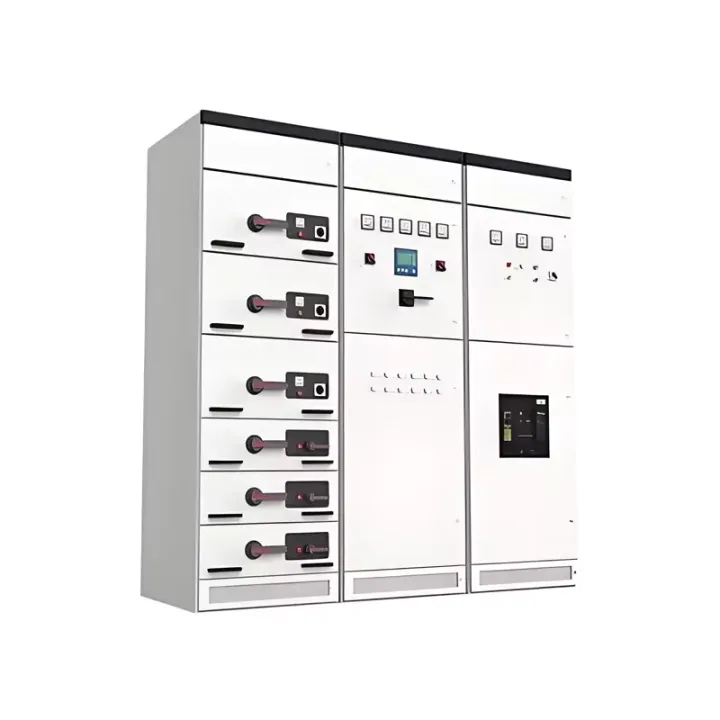
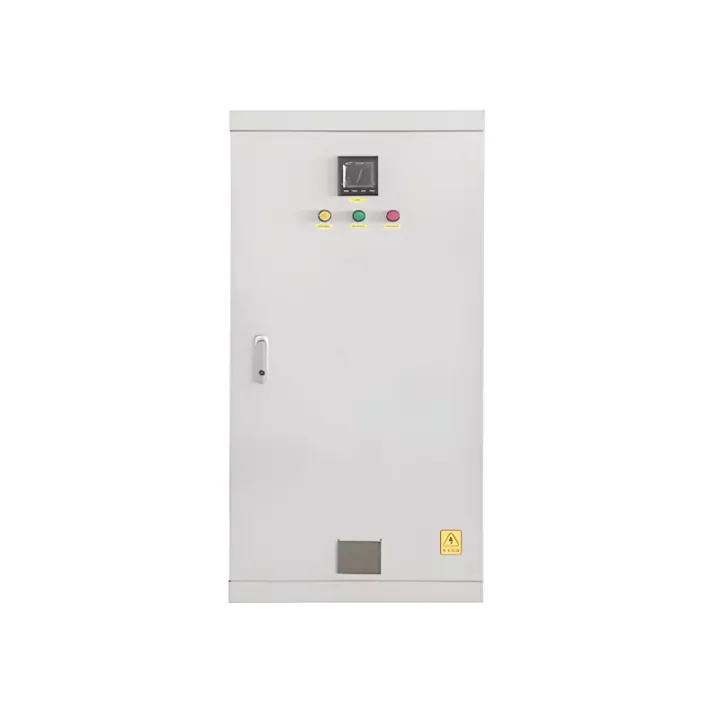
Modular low-voltage switchgear configurable as fixed, partitioned or withdrawable sections for distribution, MCC and drive applications.
The Low-Voltage Switchgear Assembly uses standardized sections and functional units to build a compact distribution lineup for communications facilities, utilities and industrial auxiliary systems. Fixed, fixed-partition and withdrawable arrangements can be combined to cover feeder distribution, reactive compensation, motor-control centers, variable-frequency drives and soft starters.
Withdrawable, removable and plug-in units may be mixed within a lineup. S-type drawers support up to 36 circuits and U-type drawers up to 48 circuits, while larger drawers use a rocker insertion/withdrawal mechanism to improve service handling.
Submit the single-line diagram, rated bus current, short-circuit duty, feeder schedule, incomer/coupler logic and preferred functional-unit form. Motor feeders also need starting method and load data. The selected dimensions, heat dissipation, cable entry and front/rear maintenance access must fit the electrical room.
Huijue Group supports manufacture from an approved switchgear schedule and can review OEM/private-label markings, finish and drawing- or sample-based arrangements. Engineering must confirm layout feasibility, fabrication tooling, busbar design, interlocks, verification tests, quantity and shipment scope against the electrical design.
| Operating temperature | -5℃~55℃ |
|---|---|
| Storage temperature | -20℃~+55℃ |
| Operating relative humidity | ≤80% (at +30℃) |
| Storage relative humidity | ≤90%~96% (40℃±2℃) |
| Atmospheric pressure | 65~110kpa |
| Product dimensions | (400-1200) W × (600-1200) D × 2200 H |
Published operating conditions are −5°C to 55°C, up to 80% RH at 30°C and 65–110 kPa. Confirm altitude, room ventilation, contamination, access clearances and fault level because they influence busbar and enclosure design.
Buyer Questions
Answers specific to Low-Voltage Switchgear Assembly selection, configuration and purchasing.
Yes, the platform supports mixed fixed, removable, plug-in and withdrawable arrangements. The final combination depends on circuit duty, segregation and maintenance policy.
The source design lists up to 36 S-type or 48 U-type drawer circuits, but actual count depends on feeder ratings, protection devices and internal separation.
Provide the approved single line, fault level, feeder list, control logic, component preferences and room drawings. Huijue Group then reviews busbar, thermal, interlock and test requirements.
Use the deployment context to narrow the configuration before comparing dimensions, capacities and options.
Coordinate DC power, distribution, batteries and monitoring around communications loads.
Use integrated or wall-mounted systems where equipment space is limited.
Match generation, storage and power conversion to load and autonomy requirements.
Combine grid, solar, battery or generator inputs around a defined operating strategy.
Before quotation: confirm capacity, interfaces, installation environment, power conditions, quantity and required options.