
Telecom Solar Retrofit Solutions
Existing Telecom Site Solar Retrofit
Add photovoltaic generation to an operating telecom site while reviewing the existing DC plant, battery reserve, roof or tower space, protection and service-continuity plan before selecting a solar overlay or integrated cabinet.
Planning and configuration
Solution overview
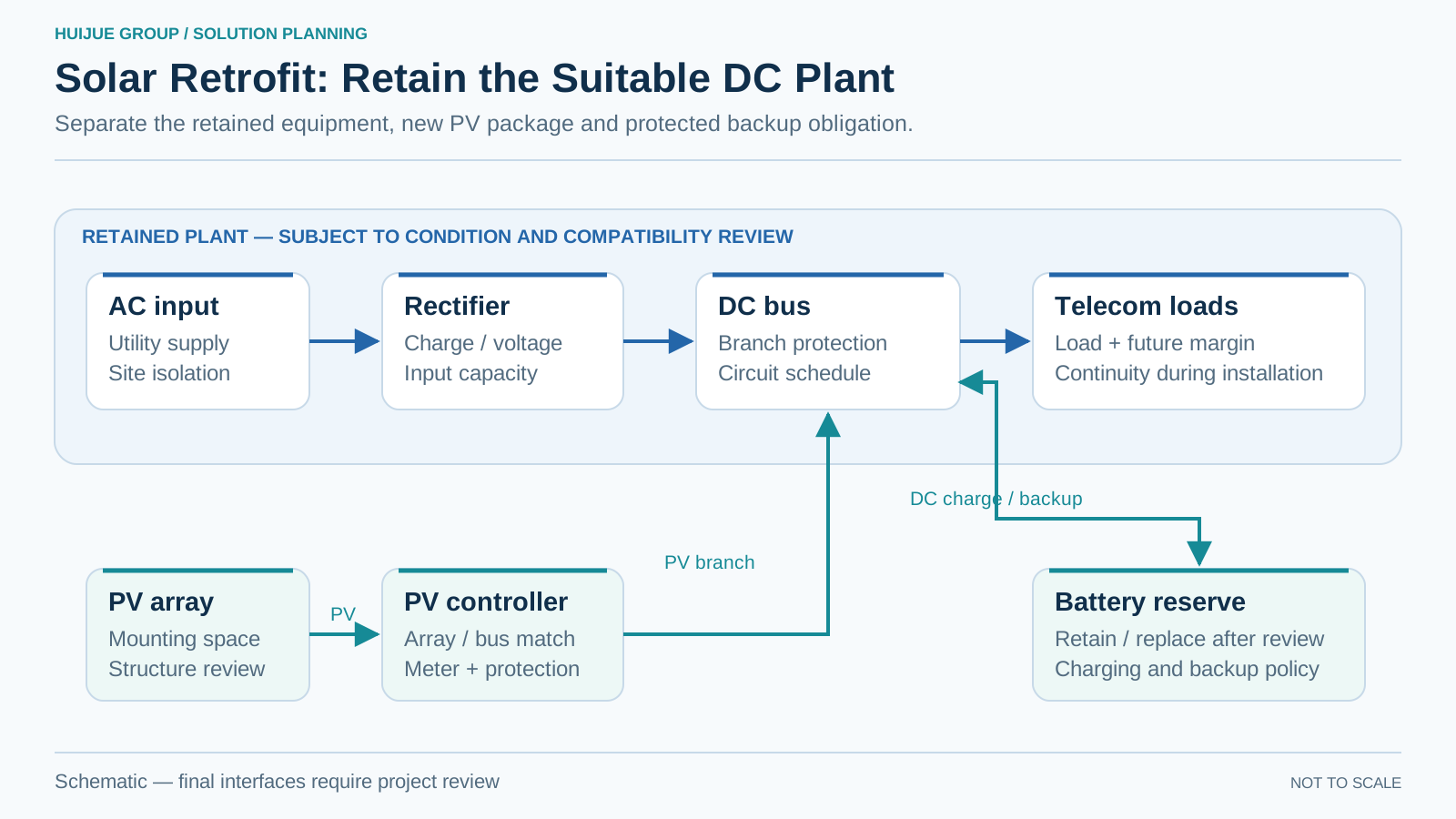
An existing base station does not need to be redesigned as a new off-grid site simply because solar generation is being added. A telecom solar retrofit should first identify which installed assets can remain: rectifiers, DC distribution, batteries, enclosure, meters and monitoring. Huijue Group can review a photovoltaic overlay around those assets, or propose a more integrated replacement when the existing plant has insufficient capacity, space or control capability.
The purchasing decision is therefore not only the size of the PV array. It is the boundary between retained equipment and new equipment, the behavior of the shared DC bus and the permitted interruption during installation. Renewable generation should not silently consume the reserve that the operator expects to be available during a utility outage.
Choose between an overlay and a cabinet replacement
| Route | Useful starting condition | Decision to confirm |
|---|---|---|
| PV controller overlay | The existing DC plant and battery system remain suitable for service. | Bus-voltage compatibility, available protection positions and coordination with the installed controller. |
| Integrated energy cabinet | The project also needs additional distribution, new storage or substantial enclosure changes. | The complete supply boundary, footprint, thermal layout and migration of existing circuits. |
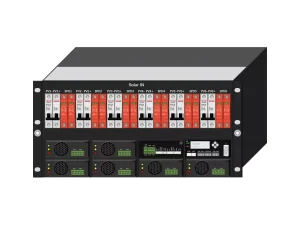
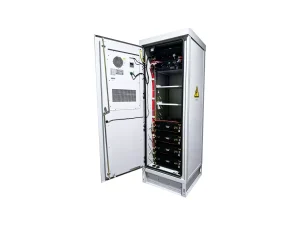
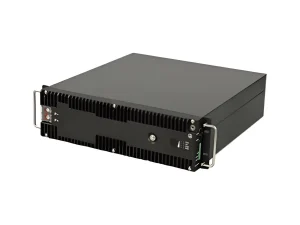
The Telecom MPPT Solar Charge Controller is relevant to the first route. The local range includes compact wall/pole formats and a separate rack controller; these are not interchangeable choices. Input voltage, maximum array conditions, output range, mounting and communications must match the selected model. For a consolidated outdoor installation, the Outdoor Hybrid Telecom Energy Cabinet offers a different integration boundary.
Survey the available solar space and the operating plant together
A roof, tower platform or ground area may appear large enough in a photograph but still be unsuitable after structural loads, shading, access and cable routing are considered. Record usable dimensions, obstacles, support conditions and the route to the power plant. Roof waterproofing, tower structural approval and local installation requirements belong in the project scope rather than being assumed from the controller specification.
At the electrical end, collect the rectifier and battery model information, DC voltage settings, working load, spare breakers, conductor routes and the installed monitoring interface. A measured daily load profile helps distinguish generation used directly by the site from generation that would require storage or might be curtailed. Energy targets should use the actual location and seasonal conditions, not a generic annual saving percentage.
Plan the retrofit as controlled stages
- Freeze the retained scope. Mark existing and new equipment on the single-line diagram, including ownership of AC supply, PV mounting, earthing, cable work and monitoring integration.
- Review interfaces before procurement. Check the array/controller window, DC bus and battery behavior, protective devices, metering and site-controller communications.
- Agree a service-continuity plan. The operator’s qualified installation team should define isolation, temporary supply, cutover authorization and rollback arrangements for the working site.
- Prove the operating modes. Verify normal generation, low generation, utility interruption, battery limits and loss of the remote connection against the approved settings.
- Hand over a usable baseline. Retain the as-built circuit schedule, settings, labels, alarm list and meter readings so later performance can be compared consistently.
Use monitoring to distinguish generation from site benefit
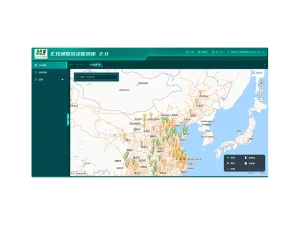
The Telecom Site Energy Management System (EMS) can be evaluated for consolidated asset and operating information. Specify which meters provide PV energy, utility consumption, battery charge/discharge and communications-load data. Their time intervals and measurement boundaries should be consistent before the operator compares periods or locations.
Where storage replacement is included, the Smart Telecom LiFePO4 Backup Battery Module provides a monitored product option. A physical communications port alone does not establish compatibility with the existing plant; the protocol, commands, limits and controller support require confirmation.
Prepare a retrofit package, not a disconnected component list
Huijue Group manufactures site-power equipment and can review OEM labels, mounting brackets, cabinet layouts and production from approved drawings or samples. The resulting package should identify controller format, PV and DC protection, cables, meters, mounting parts, software interfaces and responsibilities for site works. Customized items remain subject to engineering and manufacturing approval.
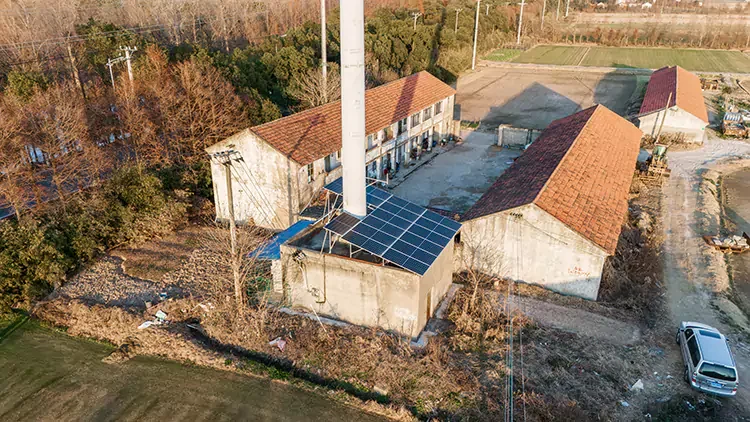
The Shanghai Qinhuo rooftop retrofit and Shanghai Haiwan tower solar-storage project provide two distinct site-space references. A rooftop arrangement and a tower-based arrangement should not be merged into one standard mounting package.
For a focused quotation, send the site coordinates, roof or tower drawings, shading photographs, load profile, existing rectifier and battery details, DC settings, required reserve, spare installation space and any permitted maintenance window. If the project needs a completely new renewable-led site rather than a retrofit, compare the broader solar-hybrid telecom energy solution. Submit the retained-equipment and solar-space brief to define the appropriate retrofit boundary.
Product pathways
Related products
Use these products as configuration references. Final model selection depends on the approved project inputs.
Project referenceFengxian, Shanghai, China
Shanghai Qinhuo Telecom Rooftop Solar & Storage Retrofit
A rooftop retrofit at Qinhuo telecom station in Shanghai brought an 8.8 kW photovoltaic array and 204.8 kWh of battery storage into an existing site with supplementary diesel generation.
View project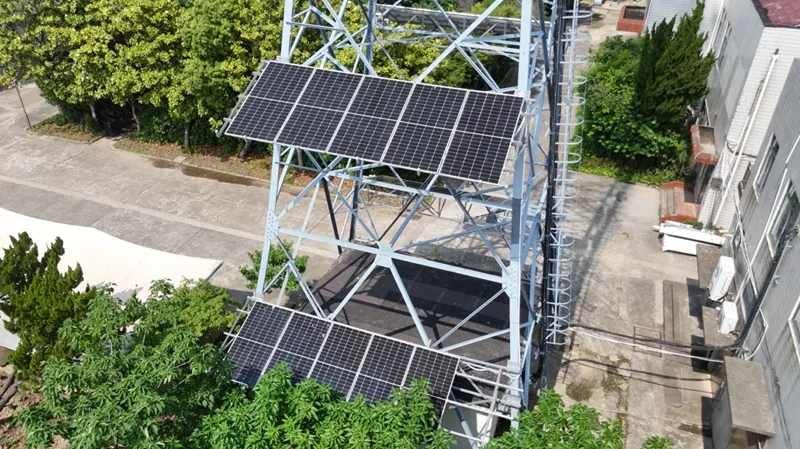
Project referenceHaiwan, Fengxian, Shanghai, China
Shanghai Haiwan Telecom Tower Solar & Storage Integration
A telecom energy upgrade in Shanghai’s Haiwan area used existing tower space for photovoltaic modules, combining on-site generation, storage and remote supervision without relying on an expanded equipment-room footprint.
View projectManufacturer support
Review the complete system before fixing the bill of materials
Huijue Group supports OEM, private-label and drawing-based customization subject to engineering review and the confirmed production scope.