
Core equipment rooms
Coordinate DC power, distribution, batteries and monitoring around communications loads.
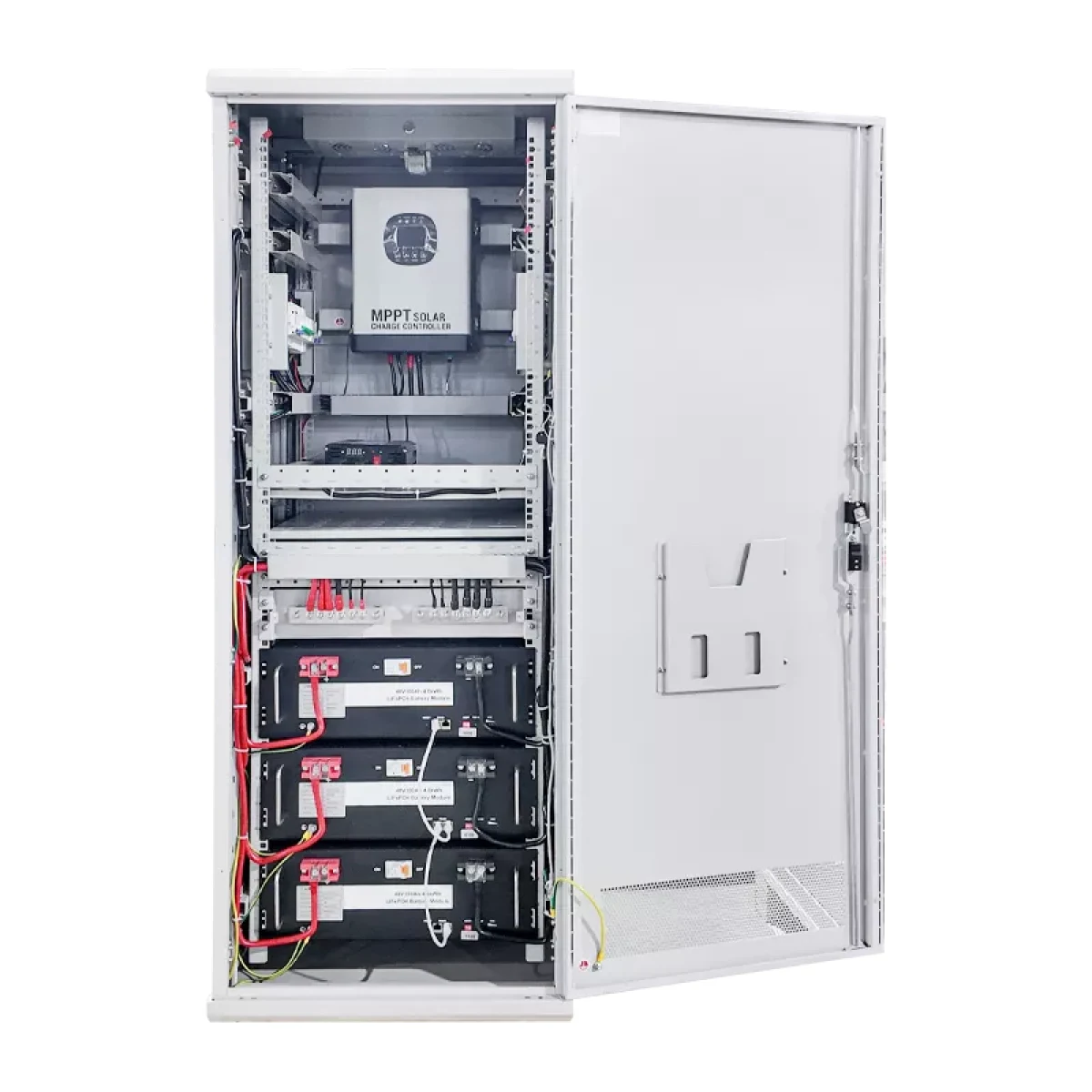
Indoor floor-standing photovoltaic energy cabinets combining grid, solar and battery paths in 6–24 kW models with up to 40 kWh storage.
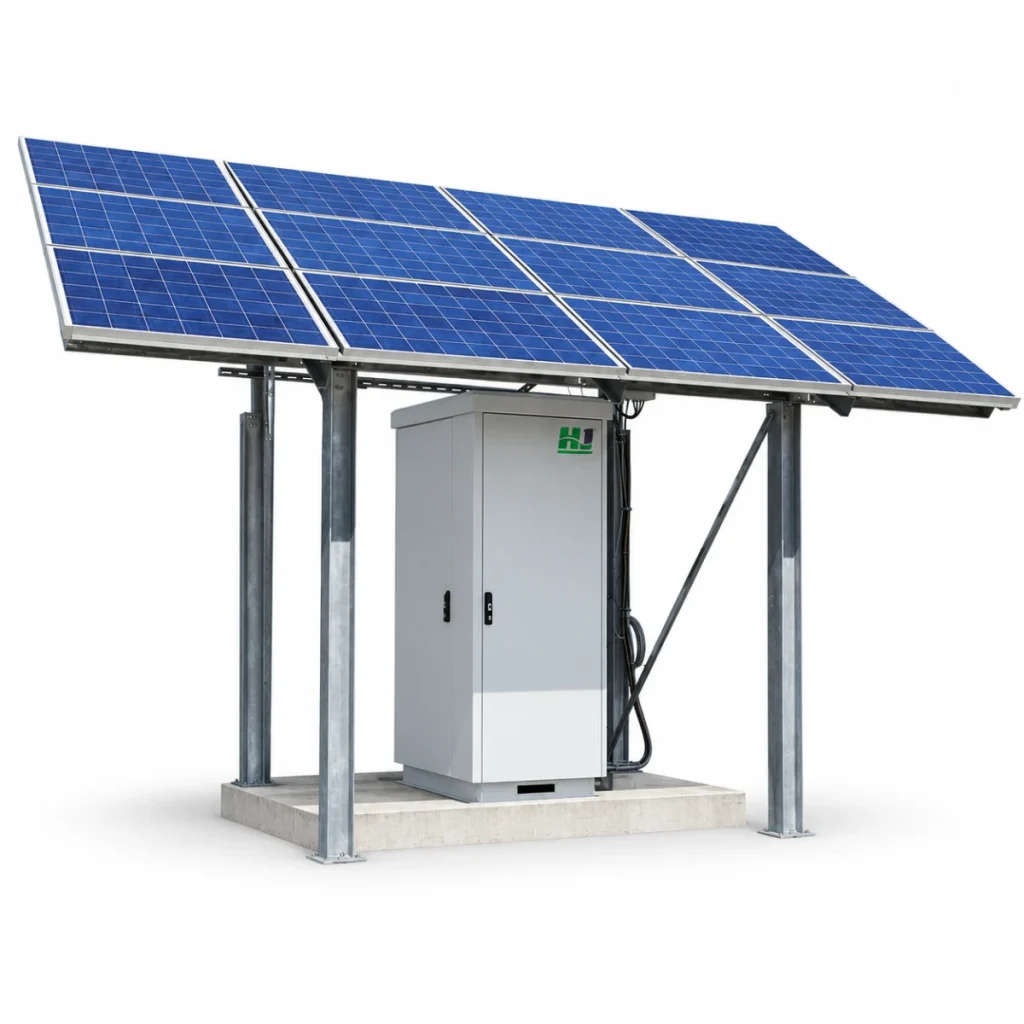
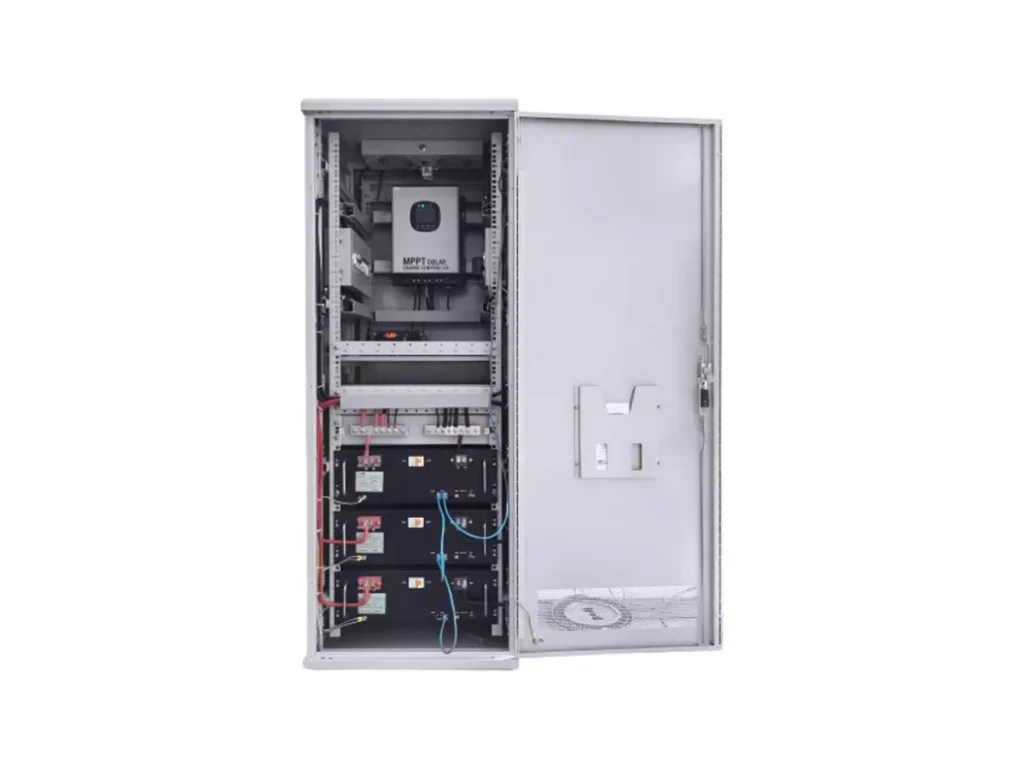
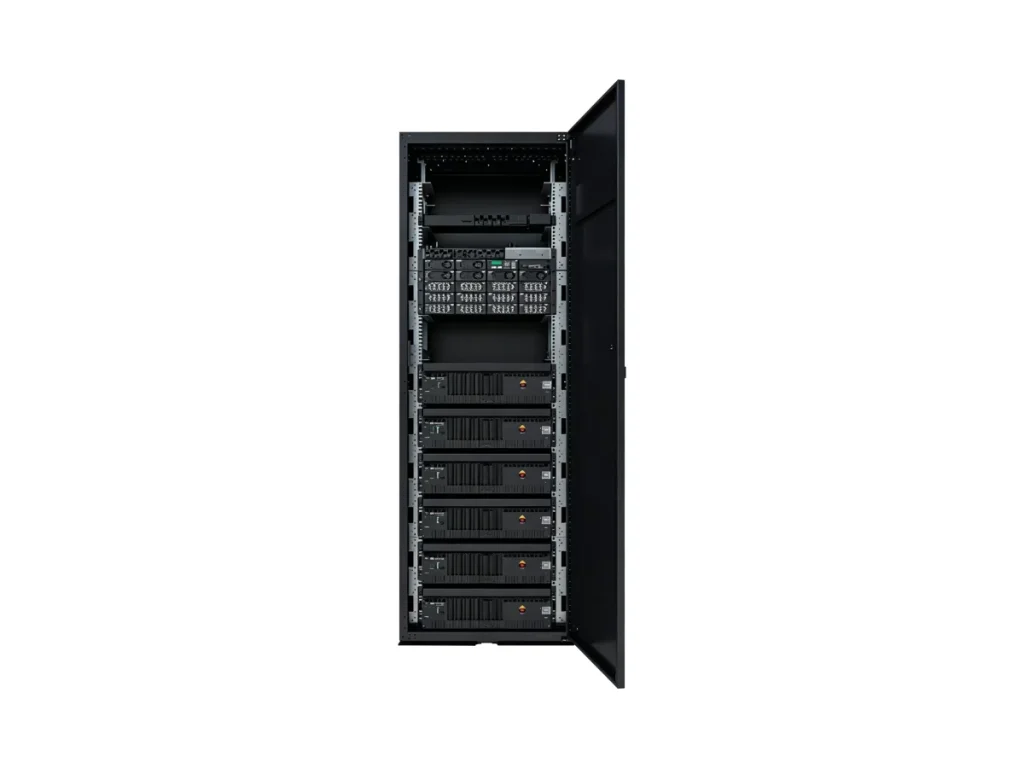
The Indoor Photovoltaic Energy Cabinet is a packaged site-power platform for base stations and communications rooms that need solar generation, grid input and stored energy in one serviceable enclosure. Four cabinet sizes align nominal power with storage: HJ-Z06-10I, HJ-Z12-20I, HJ-Z18-30I and HJ-Z24-40I cover 6–24 kW and maximum storage capacities from 10 to 40 kWh.
This indoor, floor-mounted family is intended to simplify the coordination of power conversion, storage and communications-load distribution. Remote monitoring, fault diagnosis and automatic control can be reviewed as part of the project configuration rather than treated as a separate afterthought.
Select the model from the measured load, expected growth and required backup time. State the available grid supply, photovoltaic-array rating, battery duty, load voltage and whether remote alarms or control are required. The largest HJ-Z24-40I has a wider footprint, so access routes and floor space should be checked early.
Huijue Group manufactures communications-site power equipment and can evaluate OEM branding, private-label presentation, and production from an approved sample or engineering drawing. Cabinet layout, interfaces and monitoring scope must be reviewed against the electrical design; tooling, verification tests, order quantity and delivery scope are confirmed during engineering review.
| Model | HJ-Z06-10I | HJ-Z12-20I | HJ-Z18-30I | HJ-Z24-40I |
|---|---|---|---|---|
| Power | 6KW (Maximum 9KW) | 12KW (Maximum 24KW) | 18KW (Maximum 36KW) | 24KW (Maximum 48KW) |
| Maximum Energy Storage Capacity | 10KWh | 20KWh | 30KWh | 40KWh |
| Energy Input/Output | Grid Power / Photovoltaic / Energy Storage | |||
| Operating Environment | Indoor | |||
| Installation Method | Floor-Mounted | |||
| Dimensions | 1200mm*700mm*700mm | 1600mm*700mm*700mm | 2000mm*750mm*750mm | 2000mm*1550mm*800mm |
For indoor floor installation. Confirm ventilation, floor loading, service clearances, cable entry, grounding and the room temperature range. PV string protection and battery protection coordination remain project-design tasks.
Buyer Questions
Answers specific to Indoor Photovoltaic Energy Cabinet selection, configuration and purchasing.
Use the site load and backup calculation first. The four models span 6–24 kW nominal power and 10–40 kWh maximum storage; Huijue Group can check the chosen model against PV input, battery current and future-load allowance.
The platform accepts grid, photovoltaic and stored-energy paths, but operating strategy and autonomy depend on the selected equipment, PV resource and battery sizing. Provide the outage profile for an engineering review.
OEM and private-label requests, drawing-based layouts and sample-based production can be assessed. Final feasibility depends on component space, heat management, safety clearances, tests and order quantity.
Use the deployment context to narrow the configuration before comparing dimensions, capacities and options.
Coordinate DC power, distribution, batteries and monitoring around communications loads.
Use integrated or wall-mounted systems where equipment space is limited.
Match generation, storage and power conversion to load and autonomy requirements.
Combine grid, solar, battery or generator inputs around a defined operating strategy.
Before quotation: confirm capacity, interfaces, installation environment, power conditions, quantity and required options.