
Core equipment rooms
Coordinate DC power, distribution, batteries and monitoring around communications loads.
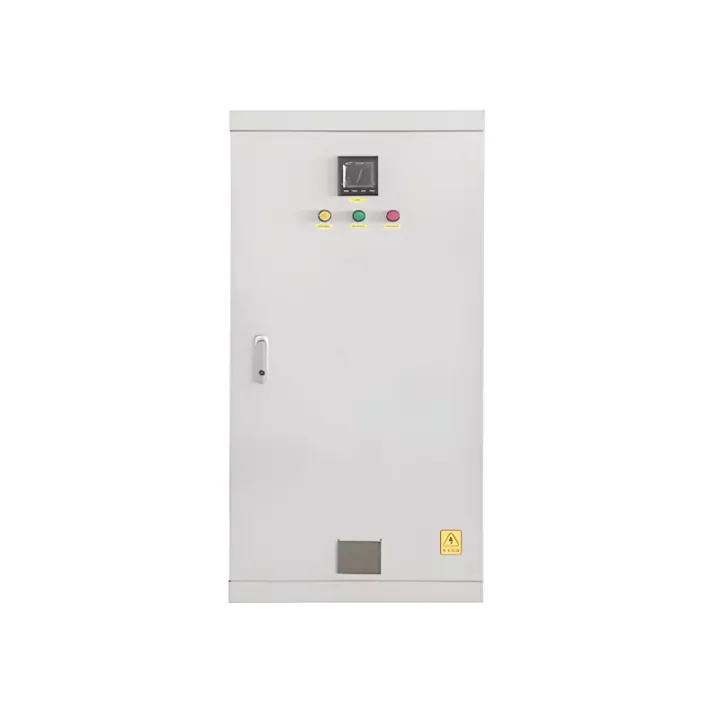
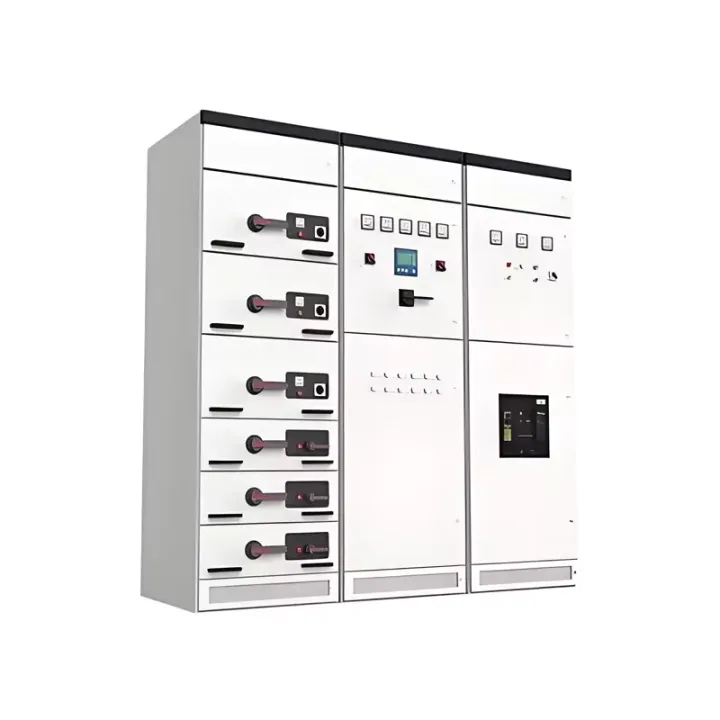
Three-phase AC distribution cabinet with branch protection, electrical metering and optional remote main-switch status for shared facilities.
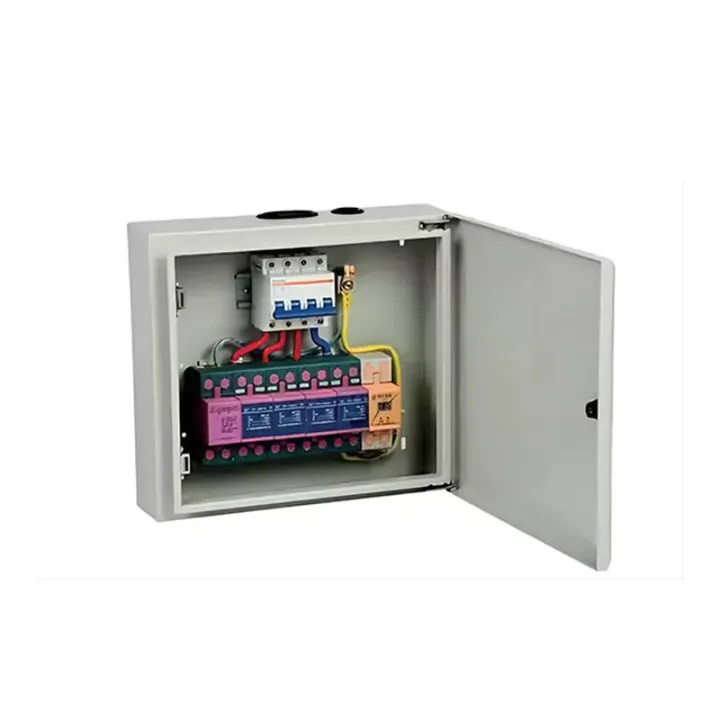
The AC Distribution Cabinet receives utility or upstream AC power and divides it into protected branch circuits for communications rooms, buildings, factories and shared technical facilities. A typical assembly combines an incoming device, feeder circuit breakers, indicator lamps and voltage/current instruments in a maintainable cabinet.
Monitoring can cover voltage, current, power and related parameters. An optional remote interface can report the main-switch state, allowing the cabinet to participate in a facility monitoring system instead of operating as an unobserved distribution point.
Specify input voltage/frequency, incoming rating, prospective short-circuit current and every outgoing circuit with load and protective-device rating. Also identify metering accuracy needs, surge-protection stage, spare ways and cable-entry direction. The source operating range is −5°C to 55°C, and supply voltage is expected within ±10% at 50 Hz.
For AC distribution projects, Huijue Group can evaluate OEM/private-label cabinets, circuit arrangements and fabrication from drawings or a sample. Engineering confirms space and electrical feasibility, sheet-metal tooling, protection coordination, routine tests, order quantity and packing/delivery scope before production.
| Operating temperature | -5℃~55℃ |
|---|---|
| Storage temperature | -20℃~+55℃ |
| Operating relative humidity | ≤80% (at +30℃) |
| Storage relative humidity | ≤90%~96% (40℃±2℃) |
| Atmospheric pressure | 65~110kpa |
| Product dimensions | Customizable per customer requirements |
Listed conditions are −5°C to 55°C in operation, −20°C to 55°C in storage, up to 80% RH at 30°C and 65–110 kPa. Confirm indoor/outdoor placement and required enclosure protection separately.
Buyer Questions
Answers specific to AC Distribution Cabinet selection, configuration and purchasing.
No. The enclosure and circuit schedule can be configured for the project, subject to device spacing, busbar capacity, heat and cable-access requirements.
An optional remote interface can indicate main-switch status. Metering values and protocol requirements should be listed if the cabinet must connect to a monitoring platform.
Yes, drawing-based production can be assessed. The drawing is reviewed with fault level, component list, test requirements and quantity before a manufacturing release.
Use the deployment context to narrow the configuration before comparing dimensions, capacities and options.
Coordinate DC power, distribution, batteries and monitoring around communications loads.
Use integrated or wall-mounted systems where equipment space is limited.
Match generation, storage and power conversion to load and autonomy requirements.
Combine grid, solar, battery or generator inputs around a defined operating strategy.
Before quotation: confirm capacity, interfaces, installation environment, power conditions, quantity and required options.