
Core equipment rooms
Coordinate DC power, distribution, batteries and monitoring around communications loads.
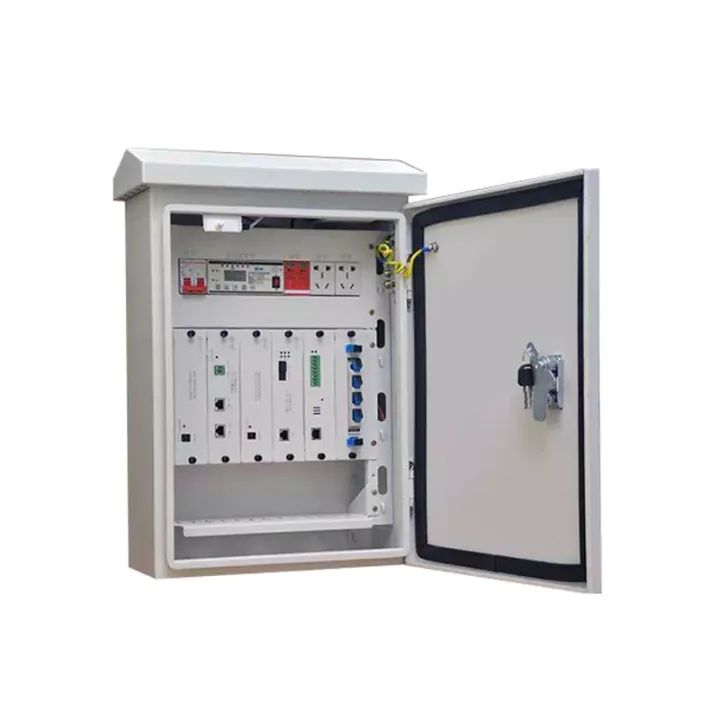
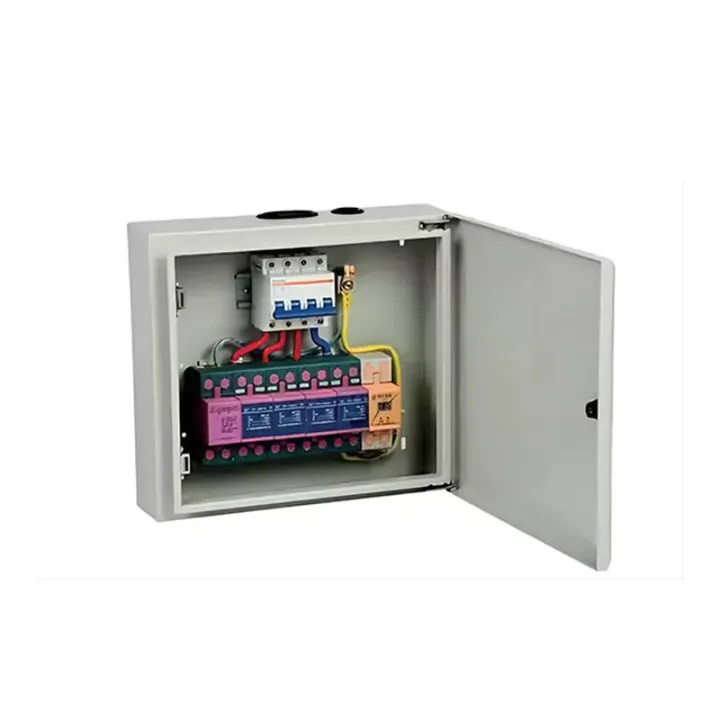
Two-level highway and roadside DC distribution box with configurable branch protection, surge protection, indicators and remote alarm options.
The Highway Power Distribution Control Box provides a compact two-level distribution point for roadside communications, monitoring and control loads. A main fuse or circuit breaker protects the incoming feed, while branch fuses or DC breakers divide power to individual field devices.
Voltage/current displays, power-status indicators, lightning-event counting, remote signaling and utility-loss alarms can be selected according to the control system. Integrated surge protective devices keep connection leads short, and top or bottom cable entry can be chosen to suit the roadside cabinet layout.
List supply voltage, maximum input current, every branch load and cable length. Roadside equipment often has mixed load criticality, so fuse/breaker selectivity and surge stages should be coordinated with upstream protection and grounding. State rack or wall mounting, entry direction, finish color and monitoring contact requirements.
Huijue Group can evaluate OEM branding, private-label finish and circuit schedules from wiring drawings or a reference sample. Engineering confirms circuit-layout feasibility, housing tooling, component ratings, insulation/grounding tests, order quantity and delivery documentation/accessory scope before production.
| Configuration | Project-specific; confirm requirements before quotation. |
Provide the actual roadside exposure: cabinet interior temperature, condensation, dust, vibration, corrosion and lightning environment. The outer housing or host cabinet must provide the protection required by the installation.
Buyer Questions
Answers specific to Highway Power Distribution Control Box selection, configuration and purchasing.
Yes. Branch count and the mix of fuses and DC breakers are configured from the field-device load schedule and available enclosure space.
Utility-loss alarm and remote signaling are optional. Specify contact logic and the receiving control-system input.
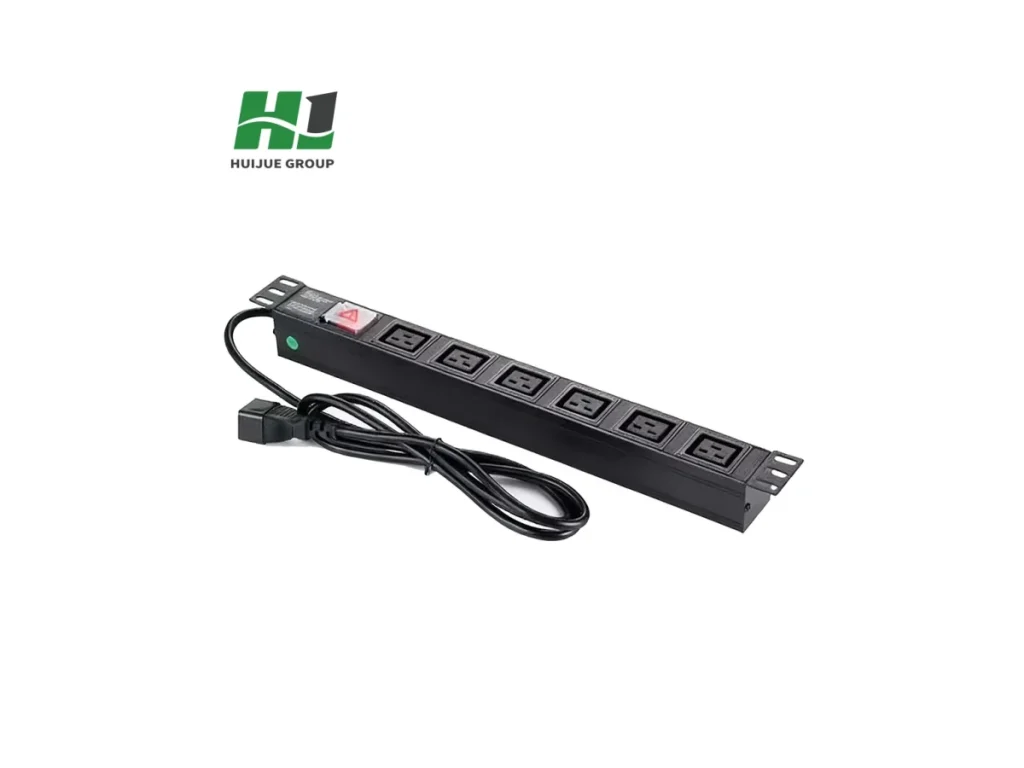
The product can be arranged as a wall-mount enclosure or standard 19-inch rack assembly. Depth, connectors and front/rear service access require confirmation.
Use the deployment context to narrow the configuration before comparing dimensions, capacities and options.
Coordinate DC power, distribution, batteries and monitoring around communications loads.
Use integrated or wall-mounted systems where equipment space is limited.
Match generation, storage and power conversion to load and autonomy requirements.
Combine grid, solar, battery or generator inputs around a defined operating strategy.
Before quotation: confirm capacity, interfaces, installation environment, power conditions, quantity and required options.