
Equipment rooms
Organize racks, pathways and service access around active network equipment.
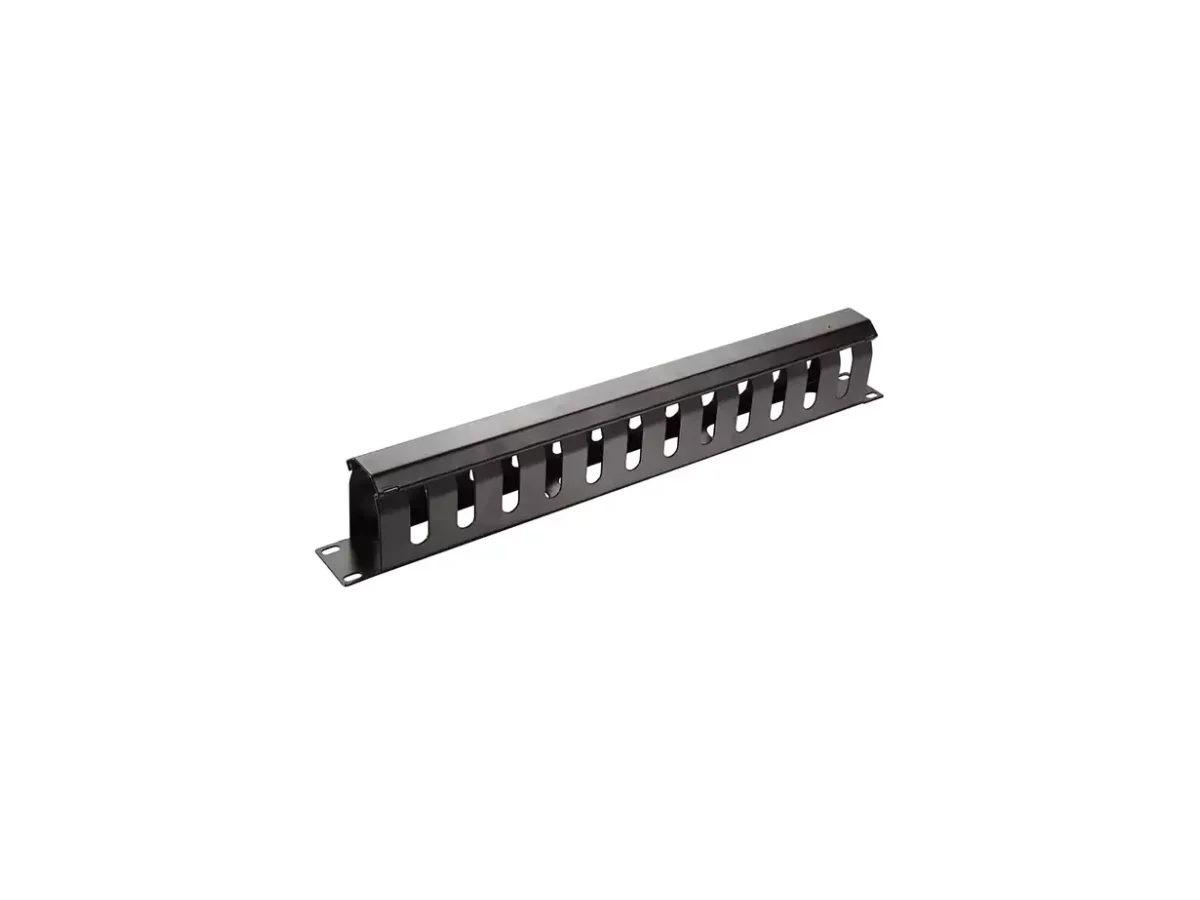
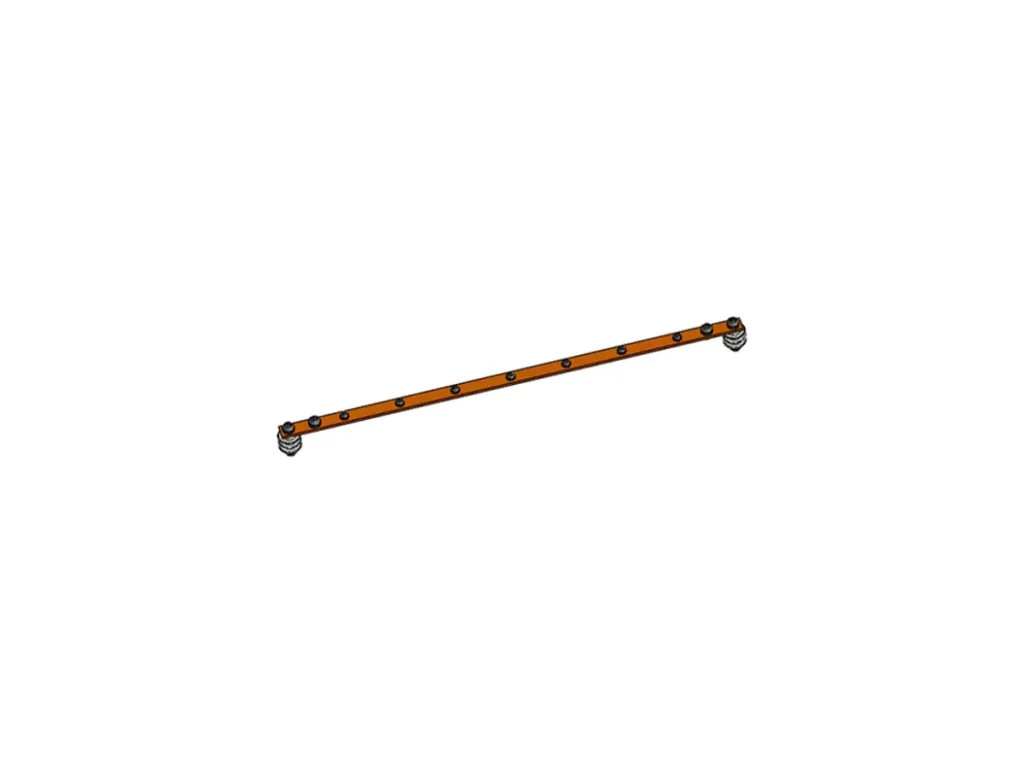
A project-configured routing accessory for organizing cable bundles around rack-mounted equipment, selected by placement, cable size, entry direction and available mounting space.
Its verified role is to organize routing and separate service paths inside communications racks. Horizontal or vertical placement, covers, pass-through openings and the mounting envelope are selection details to confirm; they are not a promise that every combination is supplied as standard.
Rack Cable Manager defines cable paths around network and communications devices. By allocating space for routing, it helps make equipment connections accessible and reduces the chance that a bundle occupies a device’s service area.
This listing is configurable rather than a single documented size. The required manager should be derived from the rack arrangement and cable schedule, including how cables enter, turn and leave the managed space.
Huijue Group can review a cable-manager drawing or physical sample for OEM and private-label production. Mounting geometry, covers and fabrication details require engineering confirmation, including tooling, tests, quantity and delivery scope.
Send rack drawings, horizontal or vertical location, cable types and counts, diameters, bend requirements, entry directions, cover preference and quantity.
| Model | Configurable |
|---|---|
| Configuration | Project-specific |
For indoor racks or installation inside an appropriate protected cabinet. Provide any additional material, finish or exposure requirements for evaluation.
Buyer Questions
Answers specific to Rack Cable Manager selection, configuration and purchasing.
No fixed size is verified in this record. Specify available rack space and cable capacity so the required configuration can be defined.
The cable manufacturer's bend requirements remain the controlling input. Match the manager's usable geometry and exits to those limits.
Use the deployment context to narrow the configuration before comparing dimensions, capacities and options.
Organize racks, pathways and service access around active network equipment.
Coordinate cabinet capacity, cable routes, airflow and planned expansion.
Package network equipment within compact distributed infrastructure sites.
Add capacity while accounting for existing racks, routes and maintenance space.
Before quotation: confirm capacity, interfaces, installation environment, power conditions, quantity and required options.