
Passive optical distribution
Match splitter or WDM architecture to wavelength plan, ratio, package and insertion-loss targets.
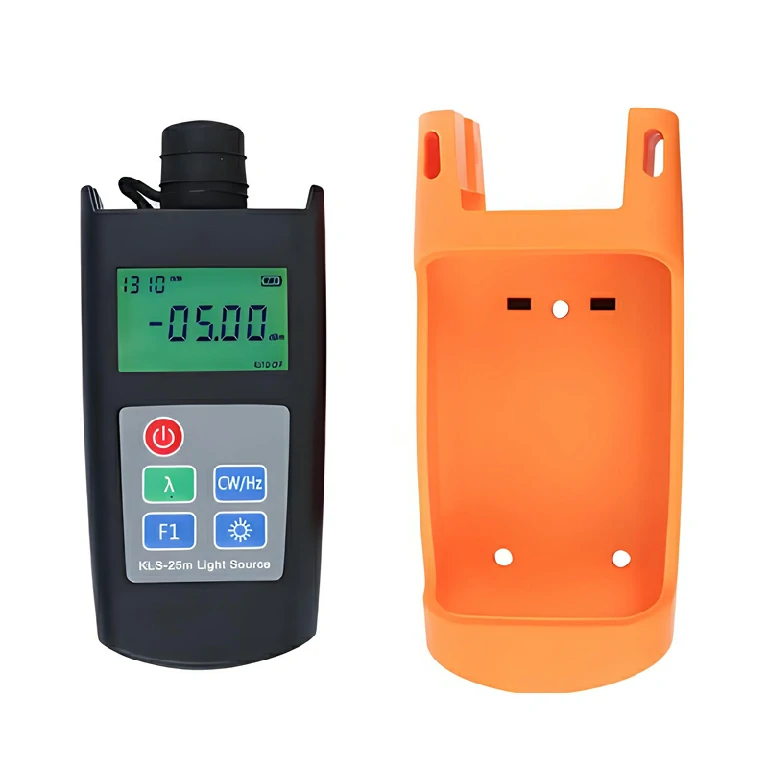
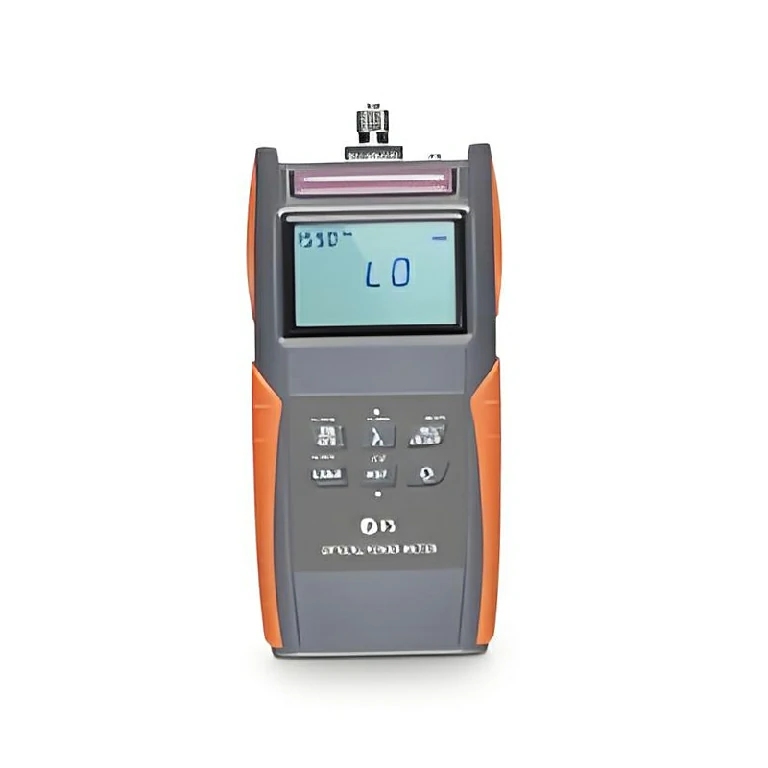
The OLS-85 handheld optical light source provides 850, 1300, 1310 and 1550 nm outputs with adjustable power and CW or modulated modes.
The OLS-85 is a portable stabilized optical light source for loss testing on common single-mode and multimode fiber links. Four listed wavelengths—850, 1300, 1310 and 1550 nm—allow one instrument configuration to support several network types, while output power can be set separately for each wavelength.
Used with a compatible optical power meter, the source establishes the reference and launches a known signal into the link under test. Its built-in optical isolator and power controller support output stability; connector cleanliness, reference-cord quality and the selected test direction remain part of the measurement process.
Choose the wavelength set by fiber type and system window, then confirm connector adapters and whether auto-wavelength signaling must match an existing meter. The source is listed for -10°C to 55°C operation and -40°C to 70°C storage and transport.
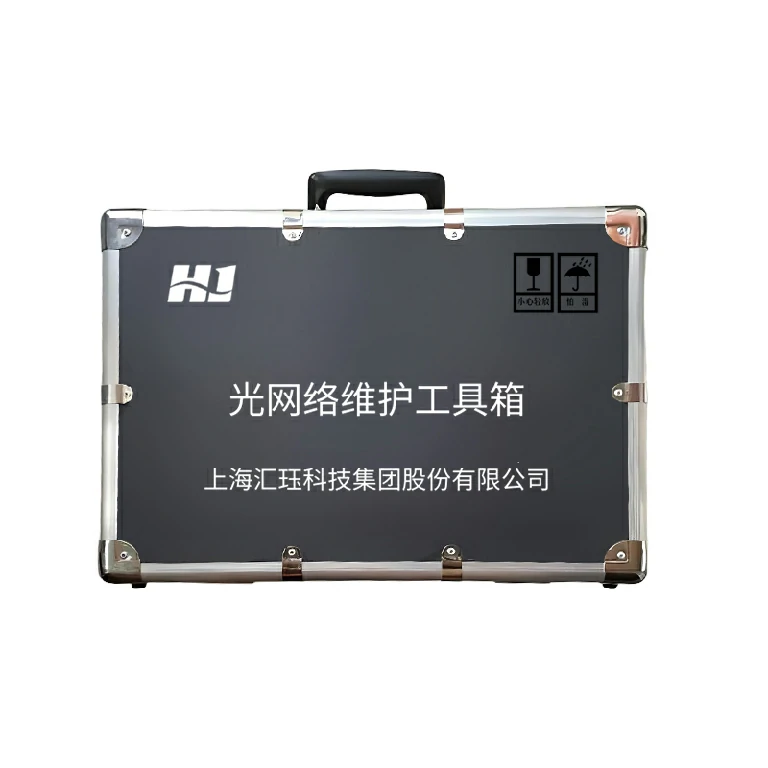
Huijue Group can assess OEM or private-label test kits containing the OLS-85, mating adapters, reference cords and a case. Customer-supplied connector samples or an accessory schedule can guide the package, but optical test criteria, calibration scope and final bill of materials need engineering confirmation.
| Serial No. | Performance Item | OLS-85 |
| 1 | Standard Wavelengths | 850, 1300, 1310, 1550nm |
| 2 | Spectral Bandwidth (RMS) | 5nm |
| 3 | Port Type | FC/PC |
| 4 | Fiber Type | 9/125, 50/125 |
| 5 | Output Power Range | -7dBm to 0dBm, adjustable separately by wavelength |
| 6 | Power Setting Resolution | 0.01dB |
| 7 | Signal Stability | Short-term Stability: ±0.02dB within 15 minutes; Long-term Stability: ±0.2dB within 8 hours |
| 8 | Modulation | Continuous Wave (CW); Modulated Wave: (270Hz, 1kHz, 2kHz); Auto-λ |
Operating Temperature: -10℃~+55℃
Storage and Transportation Temperature: -40℃~+70℃
Protect and clean the optical port before connection, allow stabilization after transport, and set the intended wavelength and output before referencing the meter. Use reference cords appropriate to the fiber under test.
Buyer Questions
Answers specific to Handheld Optical Light Source selection, configuration and purchasing.
The listed 850/1300 nm and 1310/1550 nm outputs cover common multimode and single-mode windows; verify the supplied configuration and reference cords.
The listed 270 Hz, 1 kHz and 2 kHz modes can help a compatible meter identify the launched signal during troubleshooting.
Use the deployment context to narrow the configuration before comparing dimensions, capacities and options.
Match splitter or WDM architecture to wavelength plan, ratio, package and insertion-loss targets.
Coordinate connector, polish, fiber grade, polarity and cable length across patching points.
Plan MPO/MTP trunks and harnesses around port mapping, breakout format and rack density.
Select splicing, cleaning and test tools for the connector types and measurements used on site.
Before quotation: confirm capacity, interfaces, installation environment, power conditions, quantity and required options.