
Core equipment rooms
Coordinate DC power, distribution, batteries and monitoring around communications loads.
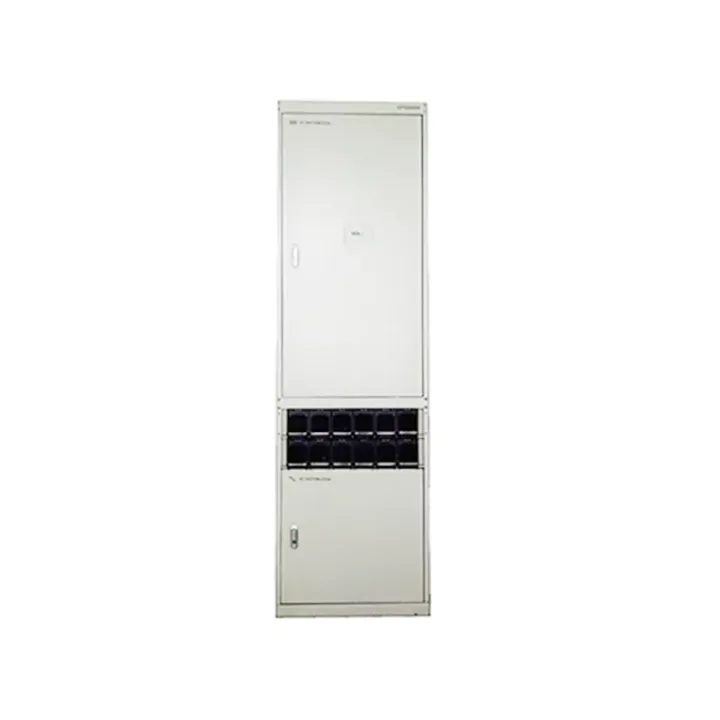
Cabinet-format telecom rectifier plant with 300–1000 A configurations, battery supervision and local or remote energy-management interfaces.
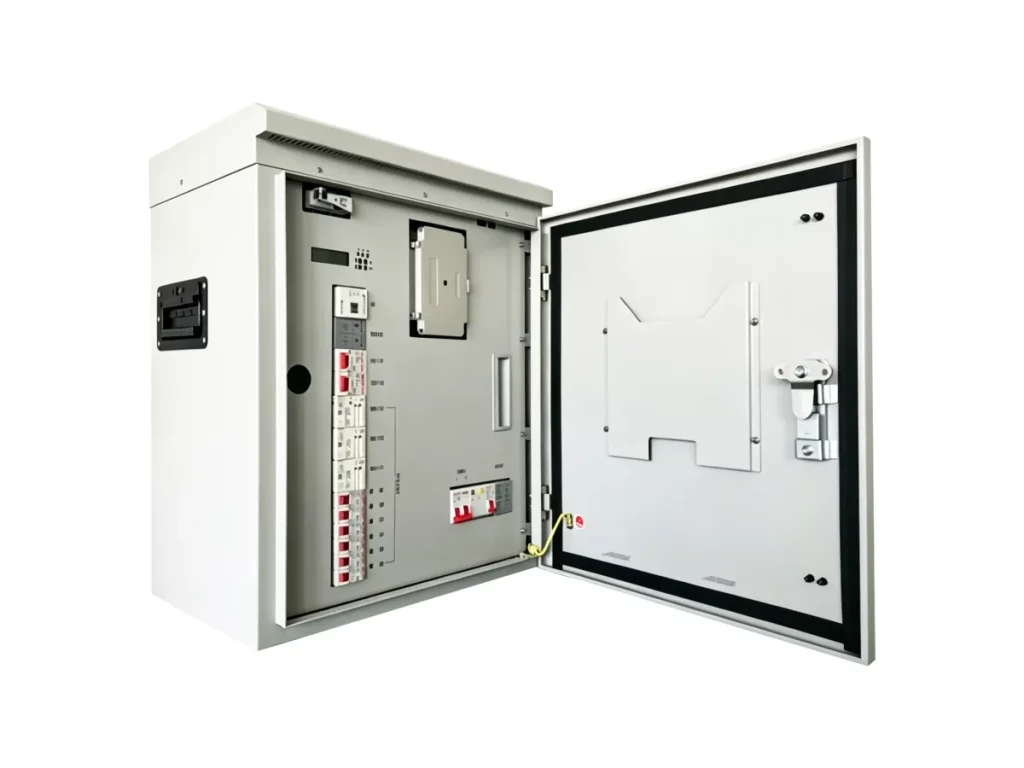
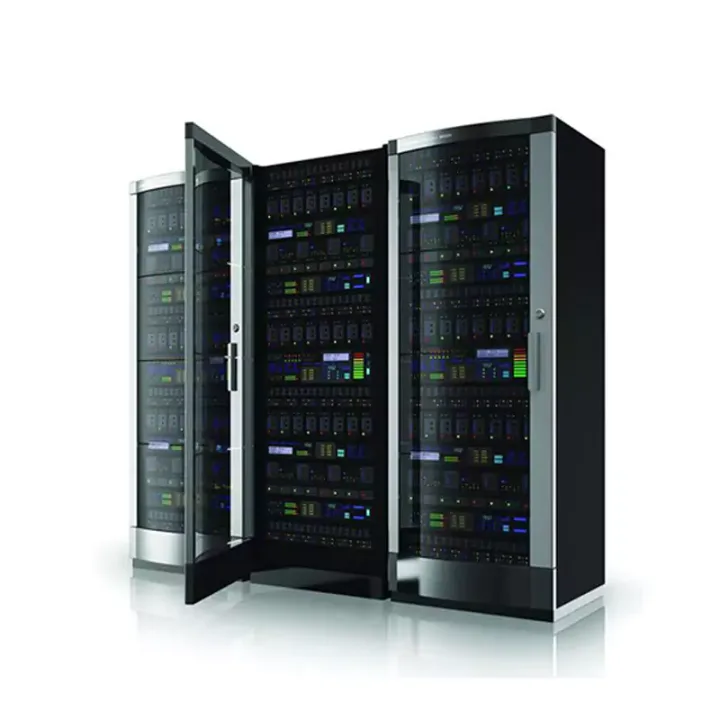
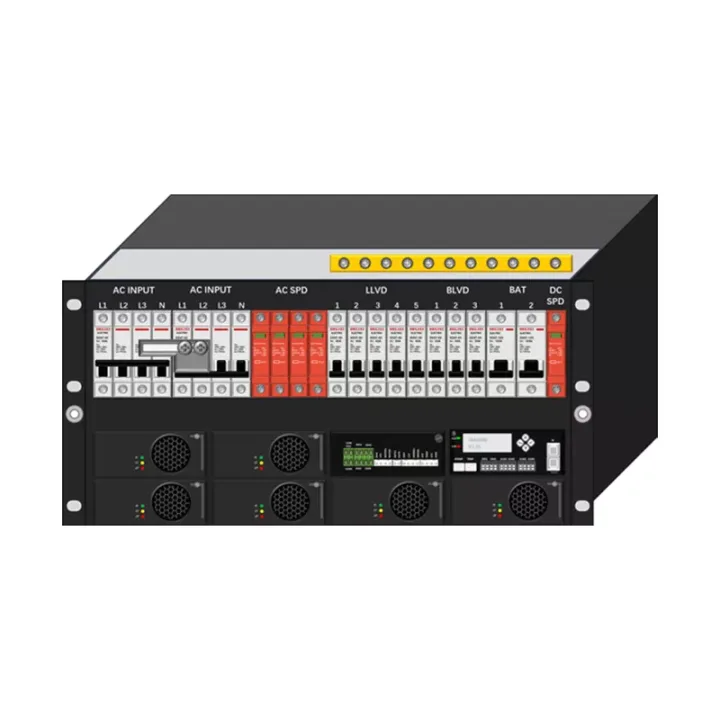
The HDUM01-48 cabinet-type telecom DC power system groups high-frequency rectification, battery management and power monitoring in a floor-standing cabinet. The documented HDUM01-48 configurations pair a CUC-09H controller with DPR48/50C rectifier modules, offering maximum-output configurations of 300 A, 600 A and 1000 A. A separate 400 A arrangement includes provision for three battery groups.
These variants share a listed 600 mm wide × 600 mm deep × 2000 mm high cabinet envelope. The common footprint does not make their internal module, battery or distribution arrangements interchangeable; the ordered configuration needs its own approved equipment schedule.
Choose plant current after adding load demand, recharge current and the intended redundancy allowance. Confirm the battery-group count, branch schedule and incoming service. The broad module input and temperature figures require review for derating and site enclosure conditions; they do not establish full plant output at every input or ambient point.
Huijue Group can assess combined-plant OEM branding, private-label documentation and cabinet builds from a reviewed sample or drawing. Module population, busbars, battery-group layout, tooling, electrical tests, quantity and delivery responsibilities require engineering approval.
Supply the DC single-line drawing, maximum site current, battery groups, recharge target, module redundancy, AC feed, monitoring network and installation environment.
| Model No. | Monitoring Module | Rectifier Module | Max. Output Capacity | Dimensions (mm) | Remarks |
|---|---|---|---|---|---|
| HDUM01-48 | CUC-09H | DPR48/50C | 300A | 600(W)×600(D)×2000(H) | Combined type |
| HDUM01-48 | CUC-09H | DPR48/50C | 600A | 600(W)×600(D)×2000(H) | Combined type |
| HDUM01-48 | CUC-09H | DPR48/50C | 1000A | 600(W)×600(D)×2000(H) | Combined type |
| HDUM01-48 | CUC-09H | DPR48/50C | 400A | 600(W)×600(D)×2000(H) | Combined type; can house 3 battery groups |
The source lists −35°C to 75°C for operation; confirm applicable rectifier derating and cabinet thermal conditions for the ordered build. Provide humidity, altitude and room cooling details.
Buyer Questions
Answers specific to Cabinet-Type Telecom DC Power System (HDUM01-48) selection, configuration and purchasing.
The source identifies a 400 A HDUM01-48 combined configuration with space for three battery groups. Confirm battery dimensions and the final internal arrangement.
Both are listed at 600 × 600 × 2000 mm, but the internal equipment and current path differ. Use the configuration drawing for cable planning and service access.
RS485 and TCP/IP network-interface options are described. Protocol mapping, controller version and alarm points must match the receiving system.
Use the deployment context to narrow the configuration before comparing dimensions, capacities and options.
Coordinate DC power, distribution, batteries and monitoring around communications loads.
Use integrated or wall-mounted systems where equipment space is limited.
Match generation, storage and power conversion to load and autonomy requirements.
Combine grid, solar, battery or generator inputs around a defined operating strategy.
Before quotation: confirm capacity, interfaces, installation environment, power conditions, quantity and required options.