
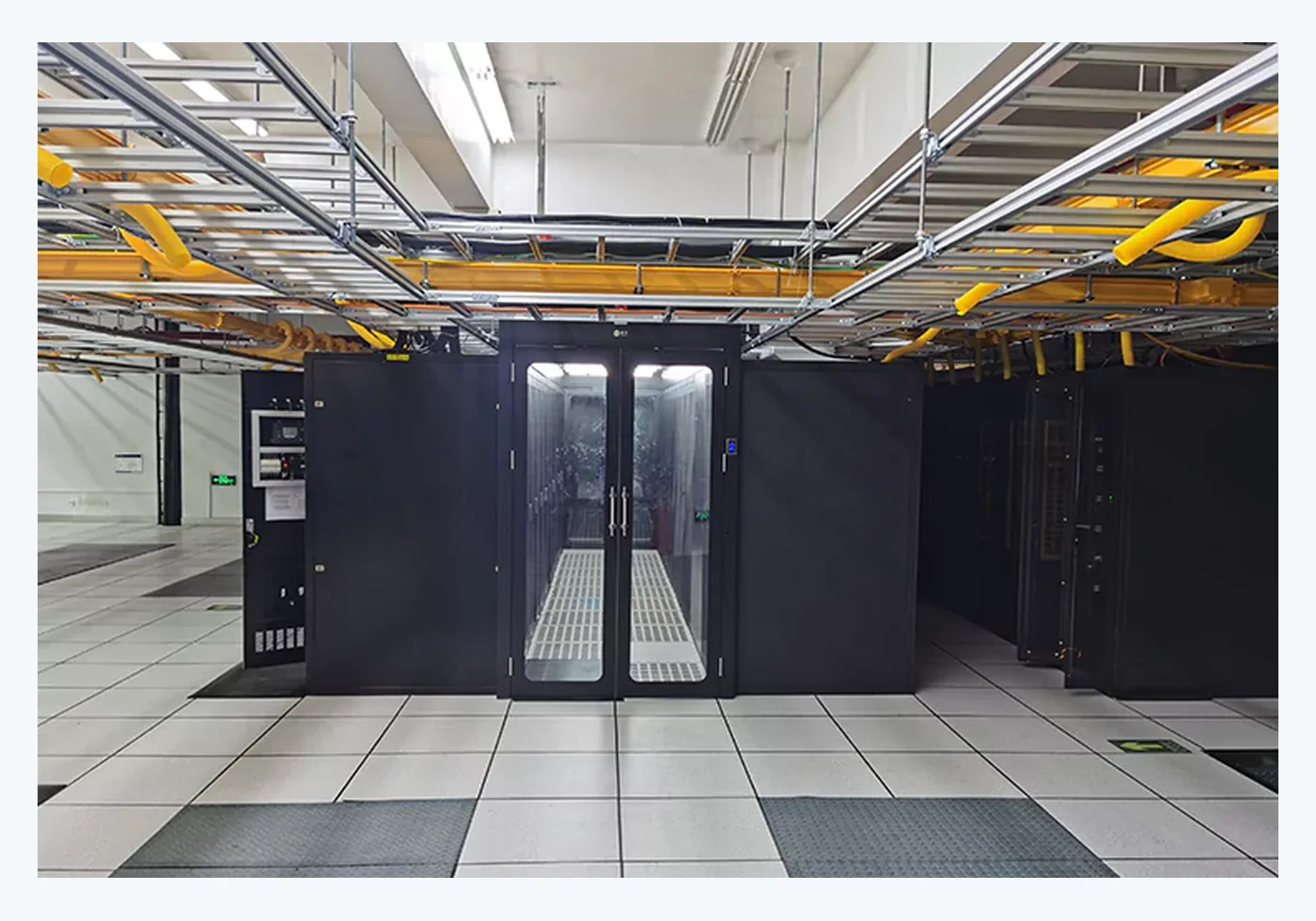
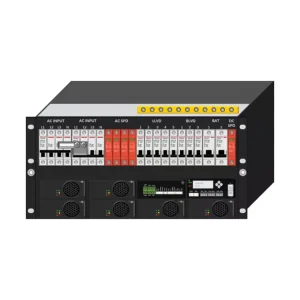
Equipment-Room Power Solutions
Indoor Telecom Equipment-Room Power Modernization
Modernize an operating telecom room through a defined retained-equipment boundary, rectifier and battery compatibility review, organized DC distribution and an approved migration sequence that keeps service responsibilities clear.
Planning and configuration
Solution overview
Replacing an indoor telecom power plant is different from equipping an empty room. Existing communications circuits are already in service, conductor routes may be congested and the installed batteries may not match the proposed charging strategy. Huijue Group can review power-cabinet, rectifier, distribution and backup equipment around those constraints, with a clear division between factory supply and site migration work.
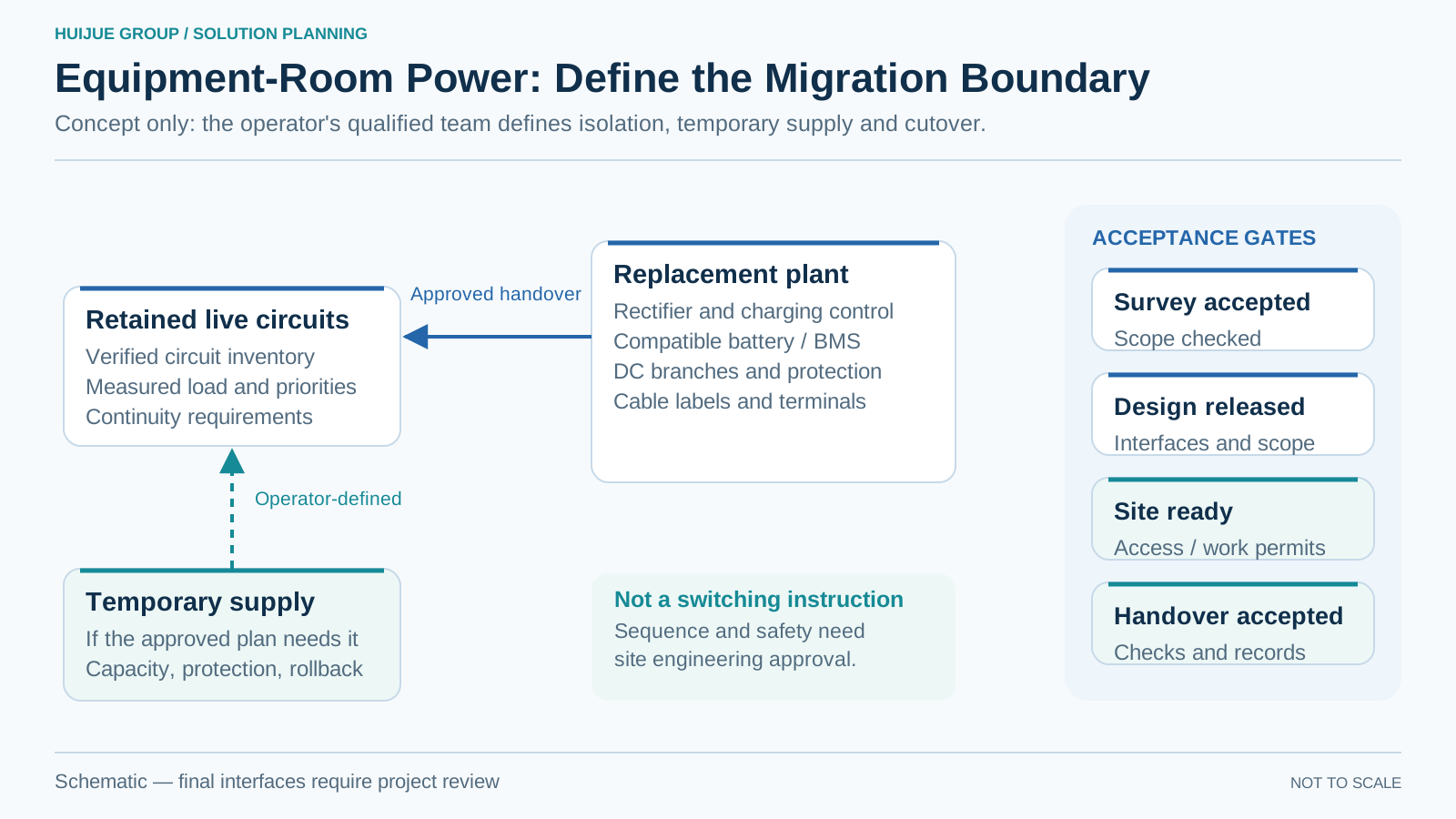
The intended result is a maintainable power arrangement with documented source, battery and load interfaces. This solution does not prescribe a universal live-switching procedure. Isolation, temporary supply and circuit transfers must be planned and authorized by the operator’s qualified electrical team for the actual plant.
Begin with the room’s current operating state
Walk the circuit from the incoming supply to the communications load. Record the existing single-line diagram, rectifier frames and modules, battery strings, distribution panels, protective devices, conductor sizes, measured loads and alarm connections. Mark equipment that must remain, equipment being removed and circuits with no confirmed label. Unknown circuits should be resolved before a factory termination schedule is approved.
The mechanical survey is equally important. Check the delivery route, stair or lift limits, door openings, floor capacity and available service clearances. A higher-capacity cabinet that cannot pass through the room entrance is not a viable upgrade. Reserve space for battery removal, module extraction and front or rear cable work rather than filling the entire available footprint.
Compare the modernization boundaries
| Upgrade boundary | Relevant equipment | Review before selection |
|---|---|---|
| Conversion within an existing cabinet | Embedded rectifier and controller assembly | Rack fit, input conditions, cooling, battery controls and retained distribution |
| Consolidated indoor plant | Integrated indoor hybrid or photovoltaic energy cabinet | Load, source interfaces, storage, dimensions and complete cable migration |
| Distribution reorganization | DC row-end distribution cabinet | Feeder schedule, protective coordination, termination space and monitoring |
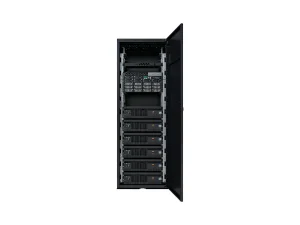
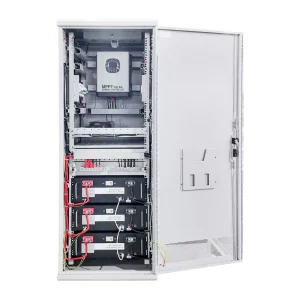
The Integrated Telecom DC Power System is relevant when conversion must integrate into a larger cabinet or rack arrangement. Where the project combines source conversion, renewable access and storage, review the Indoor Hybrid Telecom Energy Cabinet or the Indoor Photovoltaic Energy Cabinet. These are different product families; the name alone does not establish their interchangeability.
Resolve the battery decision before fixing the DC plant
A new rectifier does not automatically make an old battery bank suitable for further service. Assess battery condition, autonomy requirement, maximum charge/discharge current, connection arrangement and available space. If storage is retained, confirm that the replacement controller can use the required voltage limits, temperature compensation or BMS information. If storage is replaced, the transfer and disposal scope must be clear.
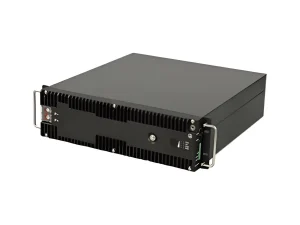
The Smart Telecom LiFePO4 Backup Battery Module is one monitored LFP option. Use its approved operating limits and interface documentation in the design; do not treat nominal capacity as a guaranteed outage duration. The load, usable discharge range, temperature and required end-of-life reserve affect the autonomy calculation.
Organize the project into acceptance gates
- Survey accepted. The operator confirms the existing circuit inventory, load measurements, retained equipment and restrictions on interruption.
- Design released. Approve the single-line diagram, battery/control compatibility, protective devices, physical layout and responsibilities for site works.
- Factory package checked. Verify labels, branch schedule, terminals, settings records and the inspection scope before shipment.
- Site ready. Confirm delivery, floor space, temporary arrangements, permits and a rollback route before the maintenance window begins.
- Migration accepted. Record agreed electrical and functional tests, circuit identification, alarms and operator sign-off before removing temporary arrangements.
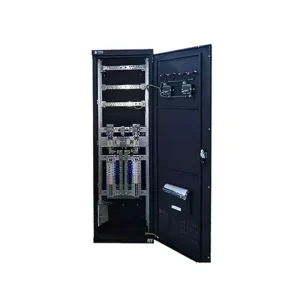
A DC Row-End Power Distribution Cabinet can support an organized outgoing-feeder boundary when equipment rows are being reworked. The project should specify which circuits require individual metering or status and how new feeders connect to the existing supervision system.
Manufacturing inputs for a room-specific package
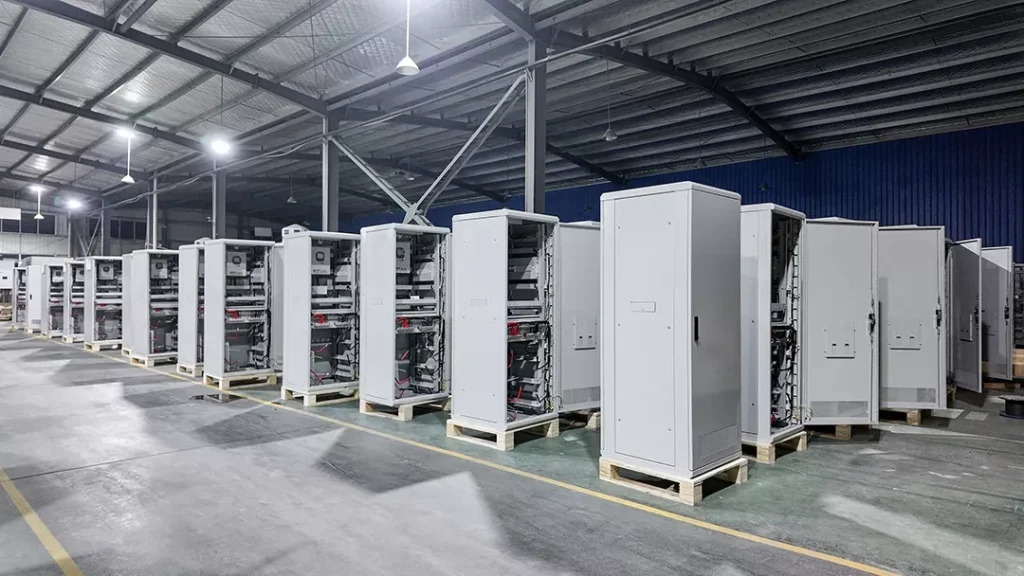
As a manufacturer, Huijue Group can review cabinet dimensions, internal partitions, rail positions, busbar and terminal arrangements, cable entry, color and labels. OEM, private-label and drawing- or sample-led production can be evaluated, subject to electrical, thermal, mechanical and production review. The specification should also identify equipment installed by others so those interfaces can be reserved without implying that unselected devices are included.
The indoor satellite-communication energy-cabinet project offers a related integration reference for room-specific cabinet arrangements. Its delivered scope is project-specific; it does not establish the migration method or service-continuity result for another operating room.
Send the existing and proposed single-line diagrams, load schedule, battery details, room layout, doorway dimensions, feeder list, future expansion, monitoring requirements and permitted maintenance windows. For a new outdoor site rather than an operating indoor room, start with the telecom power and backup solution. Request a review of the retained and replacement scope before cabinet and power ratings are finalized.
Product pathways
Related products
Use these products as configuration references. Final model selection depends on the approved project inputs.
Manufacturer support
Review the complete system before fixing the bill of materials
Huijue Group supports OEM, private-label and drawing-based customization subject to engineering review and the confirmed production scope.