
Campus and backbone routes
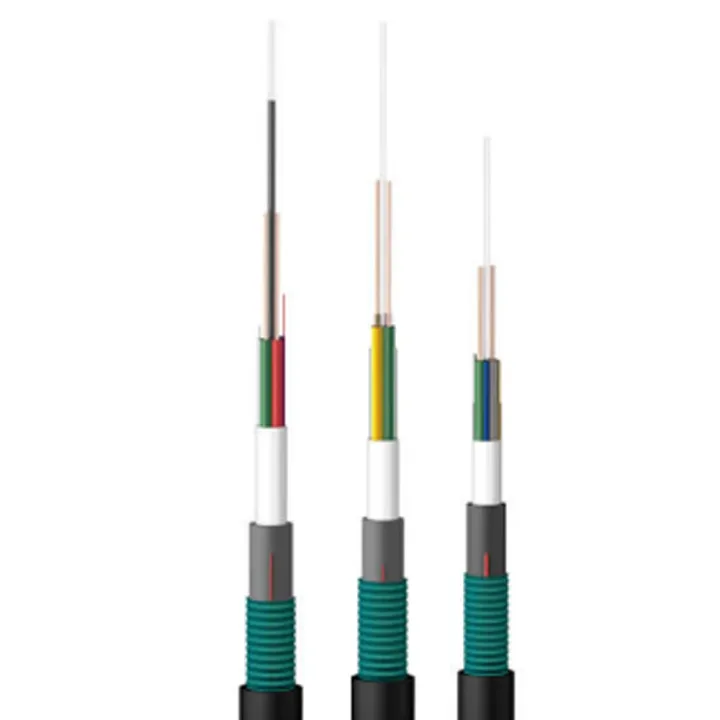
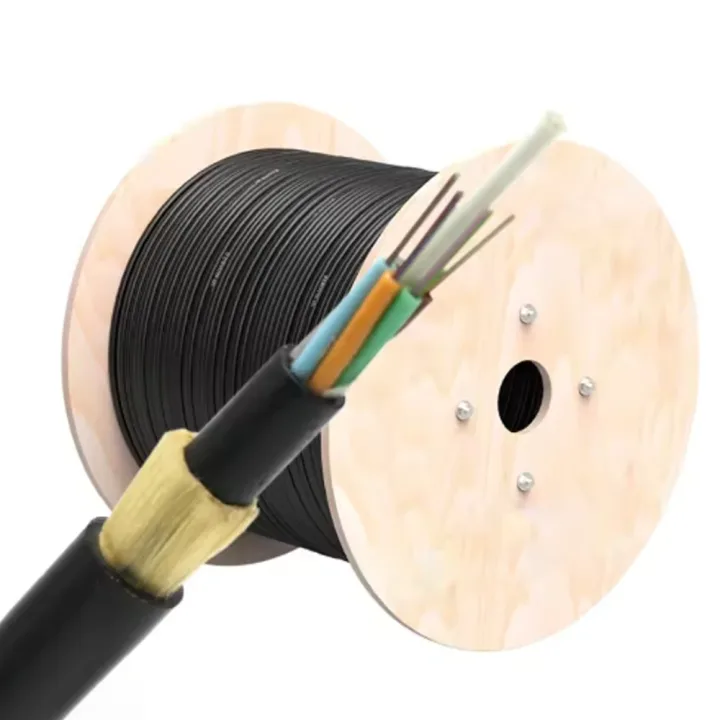
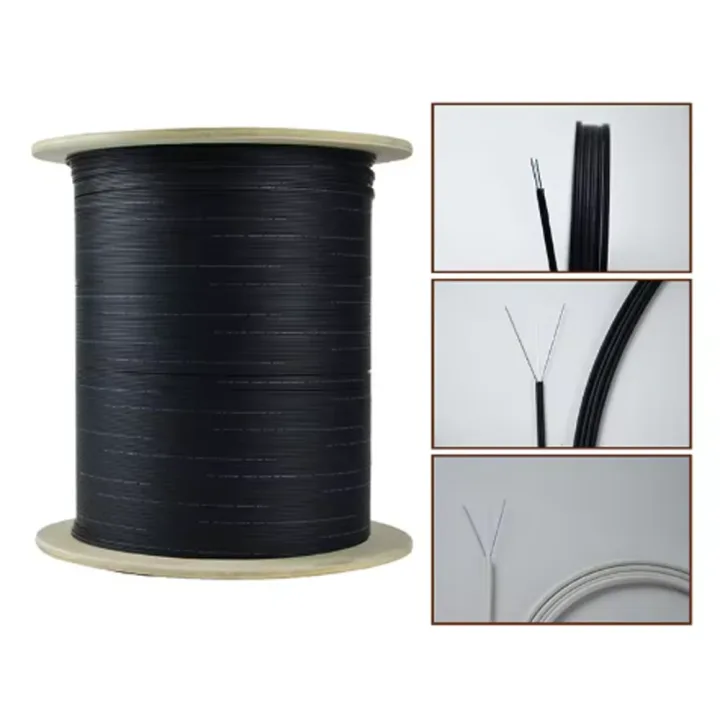
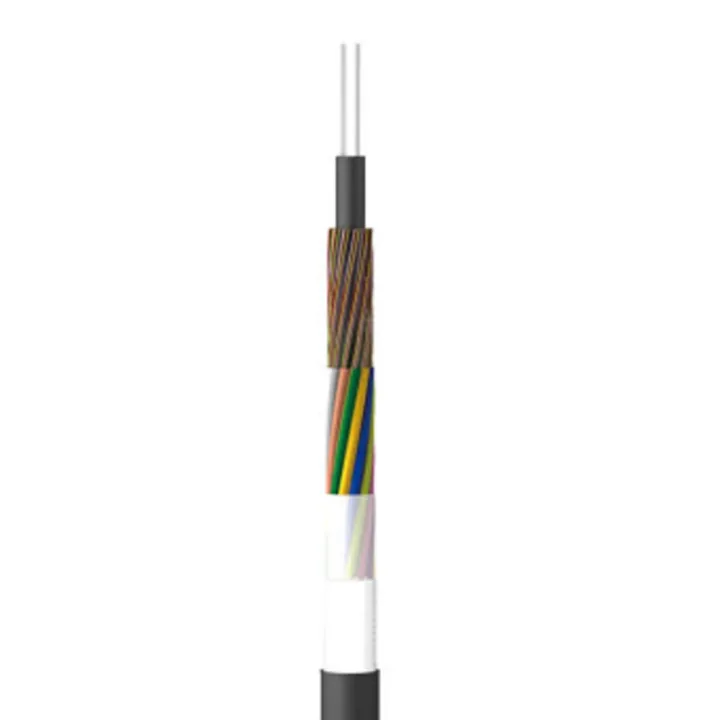
Select indoor, outdoor or armored constructions around fiber count, route length and installation method.
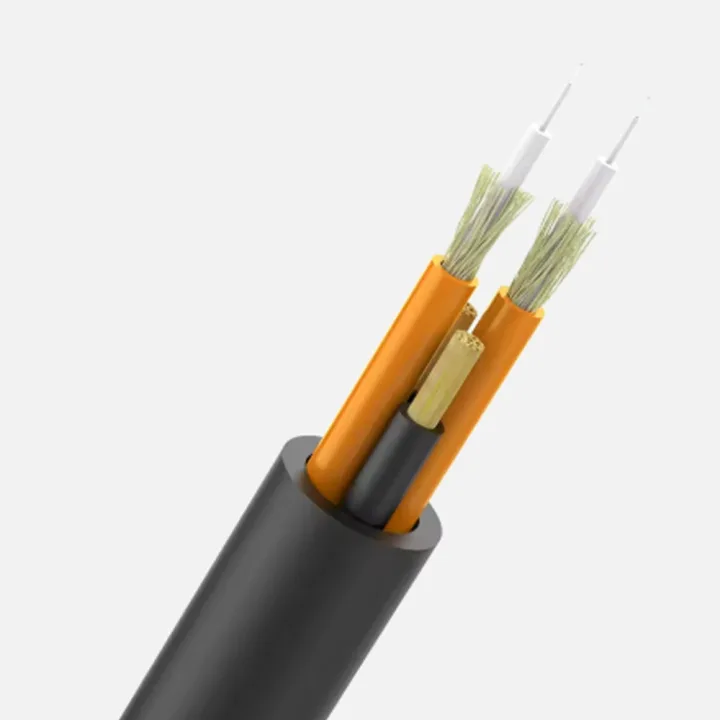
A tight-buffered remote-radio fiber cable with 5.0 mm and 7.0 mm diameter classes, aramid reinforcement and equipment-specific connectorization for base-station optical links and installation routes.
The 5.0/7.0 mm FTTA Remote Radio Fiber Cable carries optical signals between baseband equipment and remote radio units. It is designed around the physical route and equipment interface at a base station, where cable diameter, flexibility and connector transitions must work together.
The cable alone does not establish a sealed equipment connection. When connectorized, the selected connector, gland, cable diameter and protective transition must match the radio equipment’s actual interface.
Provide radio and baseband interface drawings, fiber mapping, installation length and cable clamping details. Check the selected diameter against gland and connector limits. Define pull loads, bend space, vibration exposure and any outdoor sealing or jacket requirements for the completed assembly.
Huijue Group can evaluate OEM radio-link assemblies and private-label route tags from equipment samples or approved end-to-end drawings. Connector fit, transition tooling, optical and mechanical tests, order quantity and delivery scope require engineering confirmation.
Supply diameter class, core count, fiber grade, equipment interfaces, polarity map, lengths, jacket, route conditions, strain relief and test/report requirements.
| Fiber type | G.652D standard single-mode; G.657A1/A2 optional |
| Operating wavelengths | 1310 nm / 1550 nm |
| Fiber construction | Precision tight buffered |
| Strength member | High-modulus aramid yarn |
| Jacket options | LSZH / abrasion-resistant TPU option |
| Cable diameter | 5.0 ± 0.2 mm / 7.0 ± 0.2 mm |
| Typical fiber count | 2 fibers; 2 or 4 fibers for the 7.0 mm version |
| Compatible connector families | ODVA / ODC / NSN / FULLAXS / waterproof LC |
| Operating temperature | -40°C to +75°C |
| Storage temperature | -50°C to +85°C |
For BBU-to-RRU or RRH links, mobile-base-station optical routes, distributed antenna systems and small-cell equipment cabling with verified interfaces.
Operation from -40°C to 75°C and storage from -50°C to 85°C are listed. Confirm the connector and sealing arrangement for the actual exposure; no enclosure rating is implied for every completed assembly.
Buyer Questions
Answers specific to 5.0/7.0 mm FTTA Remote Radio Fiber Cable selection, configuration and purchasing.
The table identifies two fibers as typical and specifically lists two or four fibers for the 7.0 mm version. Confirm the selected cable build before ordering.
Provide the equipment interface drawing or mating sample, cable-entry dimensions and required channel map. Similar connector families can have different mechanical arrangements.
Define whether the requirement is bulk cable or a finished assembly. Connector types, transitions, lengths and testing must appear in the order schedule.
Use the deployment context to narrow the configuration before comparing dimensions, capacities and options.
Select indoor, outdoor or armored constructions around fiber count, route length and installation method.
Coordinate feeder, distribution and drop cables with the building-entry and subscriber topology.
Match tensile, crush, moisture and armor requirements to poles, ducts or direct-buried routes.
Use FTTA or hybrid constructions where optical transmission and site power share a route.
Before quotation: confirm capacity, interfaces, installation environment, power conditions, quantity and required options.