
Campus and backbone routes
Select indoor, outdoor or armored constructions around fiber count, route length and installation method.
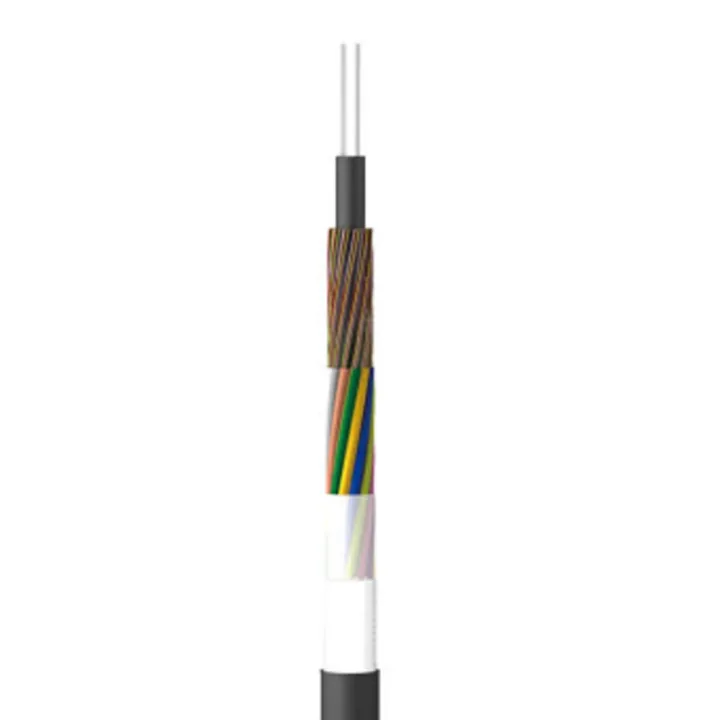
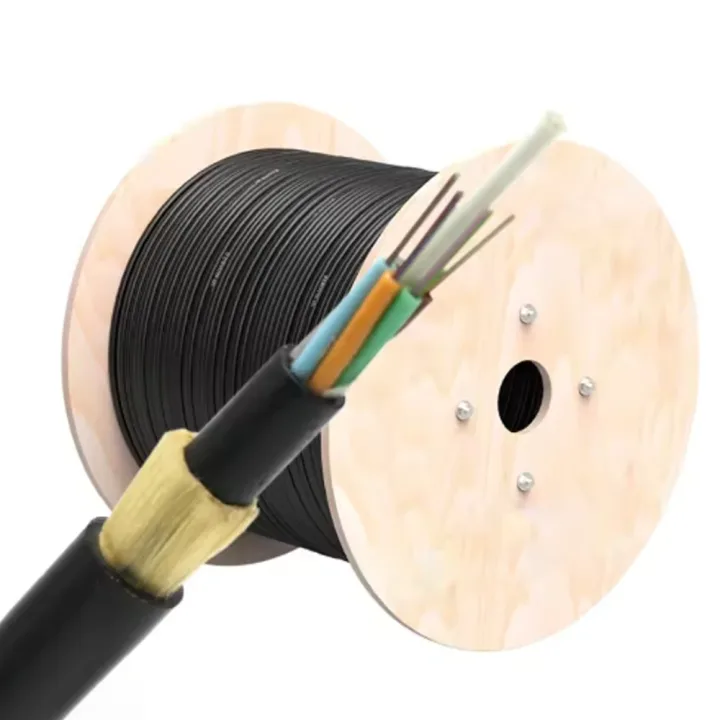
An outdoor loose-tube cable family with selectable strength members, water blocking, armor and jackets for route-specific duct, burial or supported aerial fiber installation projects.
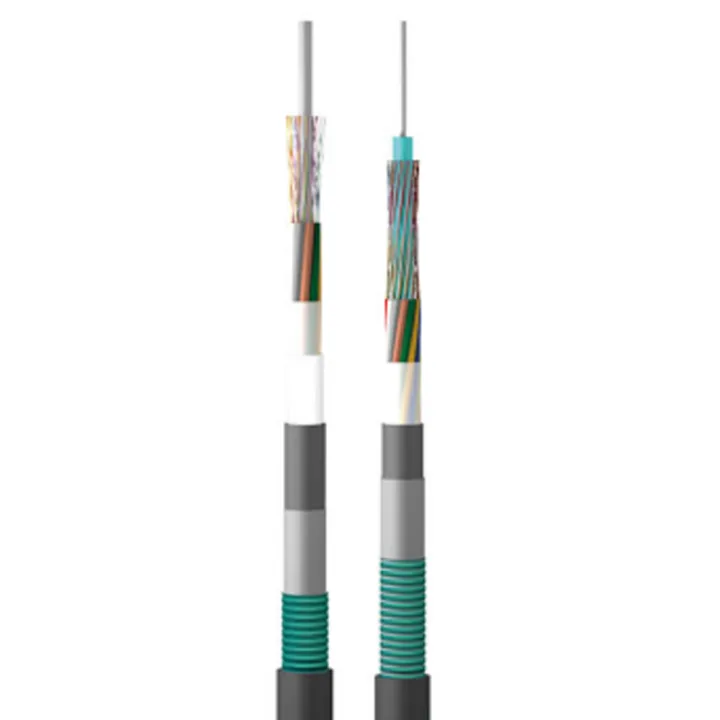
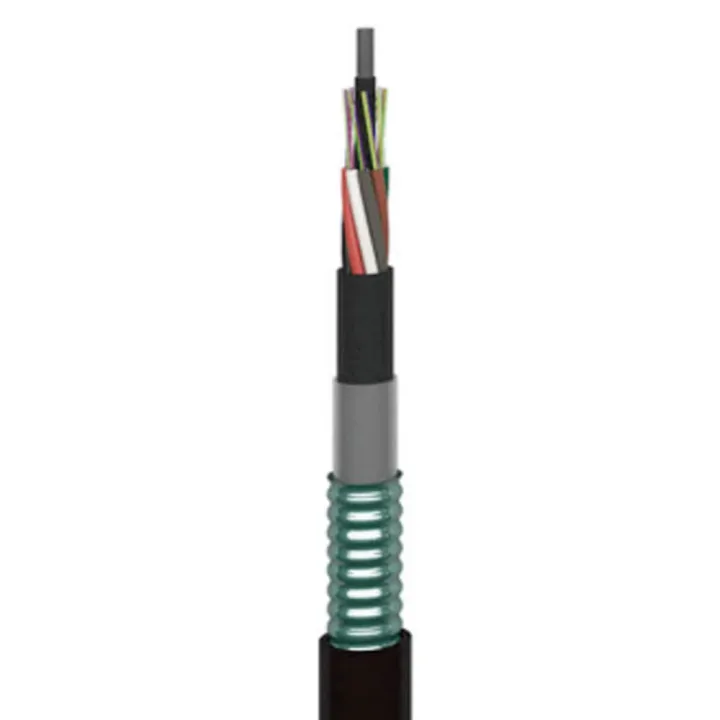
Loose-Tube Outdoor Fiber Cable for Duct, Burial and Aerial Routes places fibers within protective tubes inside the cable core. The finished construction is chosen around the route’s mechanical and moisture conditions, allowing the optical requirement and physical protection to be specified together.
The current family spans several structures. A duct cable, direct-buried cable and aerial installation may need different armor, reinforcement and support arrangements, even when their fiber count is identical.
Describe the route section by section. For ducts, provide bore size, bends and pulling conditions; for burial, describe soil and mechanical protection; for aerial use, identify the support arrangement and spans. Confirm cable diameter, pulling limit, crush requirement and bend limits for the selected design.
Huijue Group can manufacture a defined outdoor cable construction for OEM and private-label projects after reviewing a cross-section drawing, cable sample or route specification. Materials, tooling, qualification tests, production quantity and delivery scope require engineering confirmation.
Provide fiber type and count, route lengths, installation methods, cable diameter constraints, strength member, armor, jacket, water-blocking preference and mechanical design conditions.
| Fiber type | OS2 single-mode / OM3 or OM4 multimode |
| Fiber count | 2–288 fibers; custom configurations available |
| Cable structures | Loose tube / armored / aerial / direct burial |
| Central strength member | Steel wire / FRP |
| Outer jacket | PE / LSZH option |
| Water protection | Gel-filled / dry water blocking |
| Installation methods | Duct / direct burial / aerial |
| Operating temperature | -40°C to +70°C |
Operation from -40°C to 70°C is listed in the current table. Match water blocking, jacket and armor to actual exposure and confirm any indoor transition requirements.
Buyer Questions
Answers specific to Loose-Tube Outdoor Fiber Cable for Duct, Burial and Aerial Routes selection, configuration and purchasing.
No. The family covers different configurations. Approve the construction and support conditions for each intended installation method.
State the route's moisture requirements and splicing or maintenance preferences. Review the water-blocking design and required test evidence for the proposed cable.
Use the deployment context to narrow the configuration before comparing dimensions, capacities and options.
Select indoor, outdoor or armored constructions around fiber count, route length and installation method.
Coordinate feeder, distribution and drop cables with the building-entry and subscriber topology.
Match tensile, crush, moisture and armor requirements to poles, ducts or direct-buried routes.
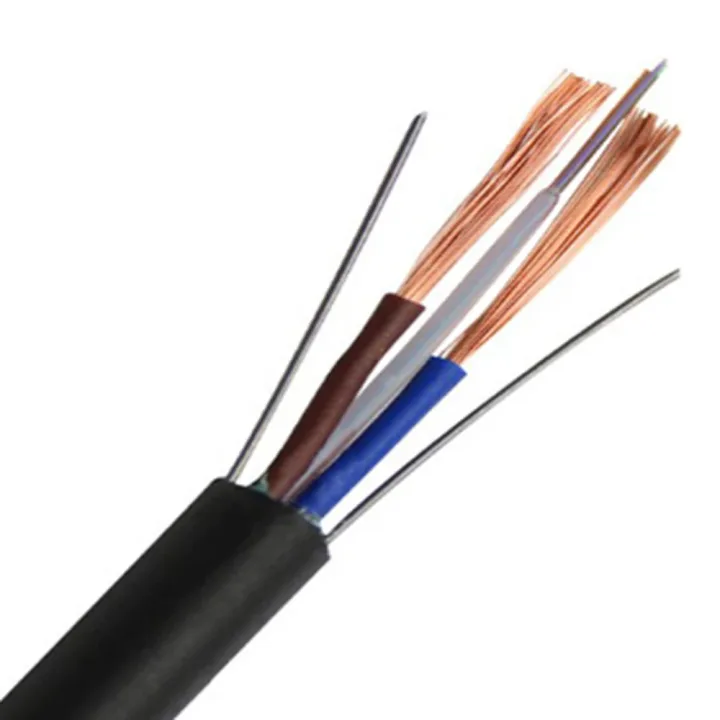
Use FTTA or hybrid constructions where optical transmission and site power share a route.
Before quotation: confirm capacity, interfaces, installation environment, power conditions, quantity and required options.