
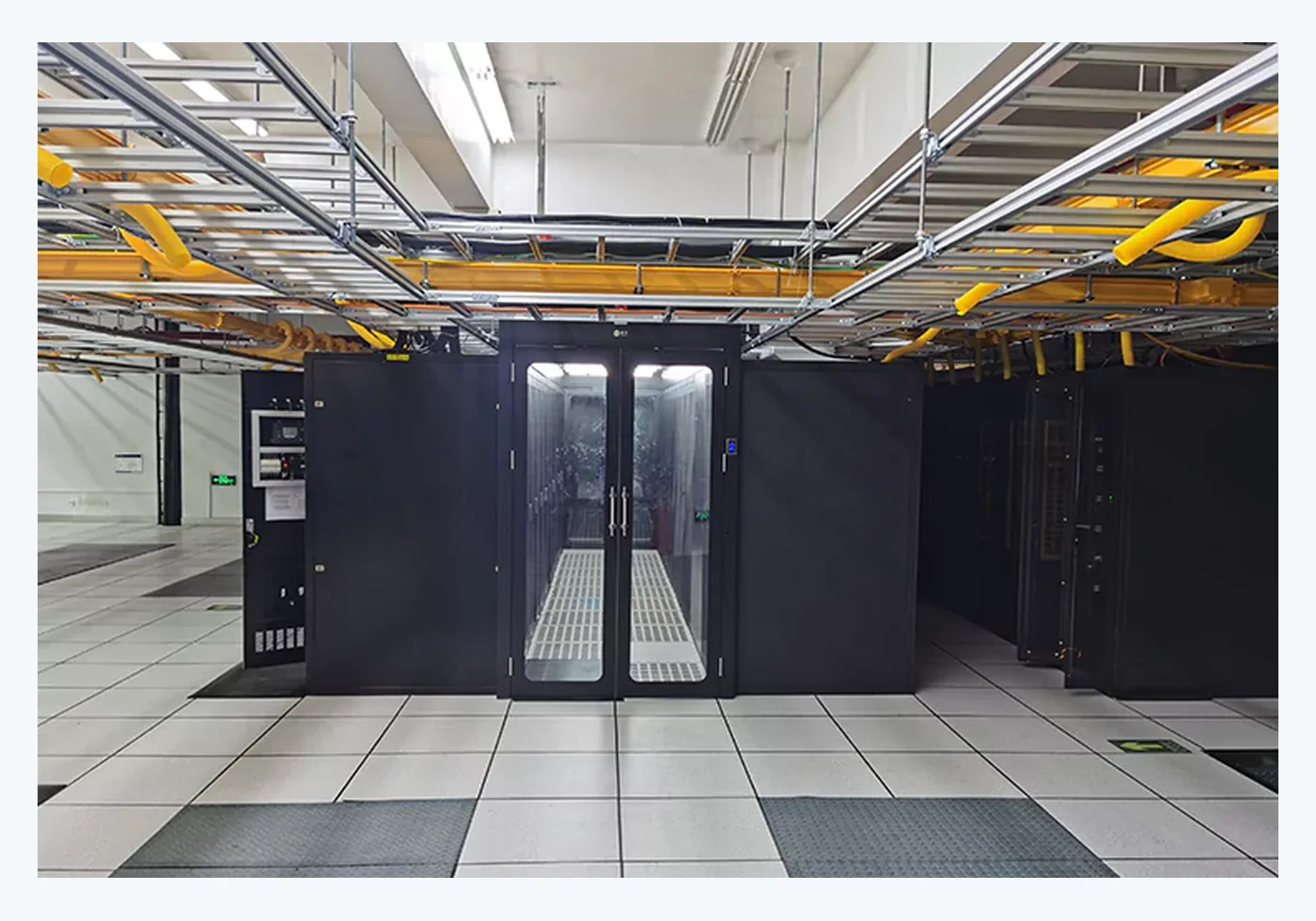
Micro-Modular Data Center Solutions
Modular Data Center Solutions
Select a cabinet-, row- or container-level micro data center from the initial IT load, room condition, cooling rejection, power topology and expansion plan, with defined factory and site interfaces.
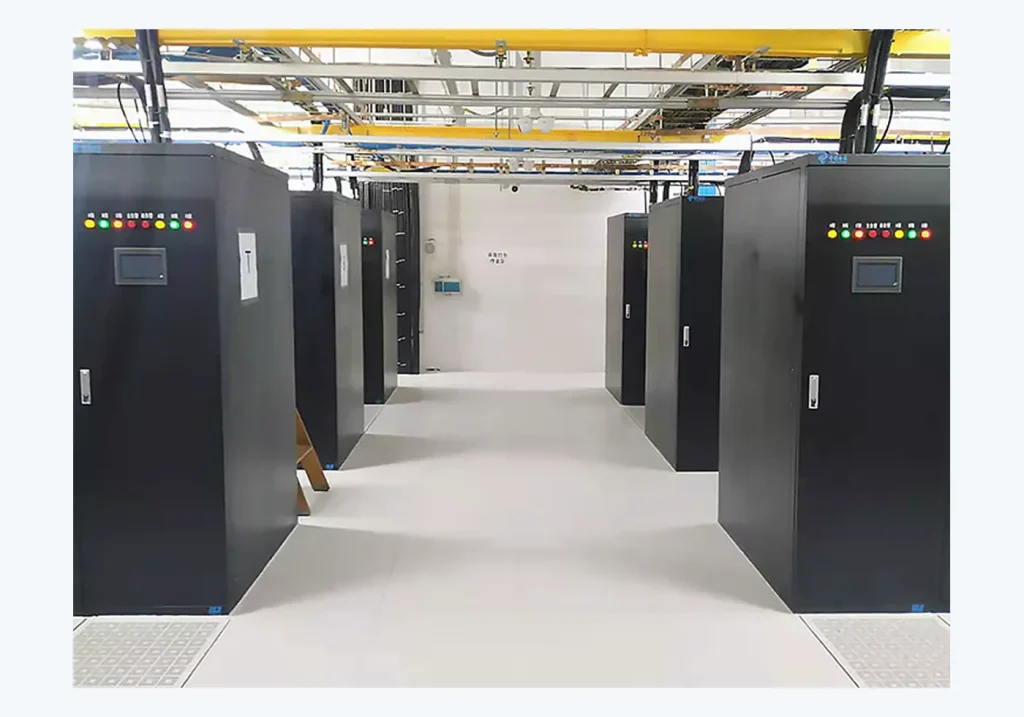
Planning and configuration
Solution overview
Modular data center solutions organize infrastructure into cabinet-level, row-level or container-level deployment units. The appropriate format depends on the IT equipment, available room, delivery route and supporting utilities. Huijue Group can coordinate racks, power distribution, backup power, cooling, cabling and monitoring around the selected layout and the interfaces between factory-supplied equipment and site works.
Micro-modular planning is most useful when it reduces ambiguity between those systems. It should establish what is factory integrated, what the site provides and how additional capacity will be commissioned. It is not a substitute for the electrical, thermal, structural or fire review required for the location.
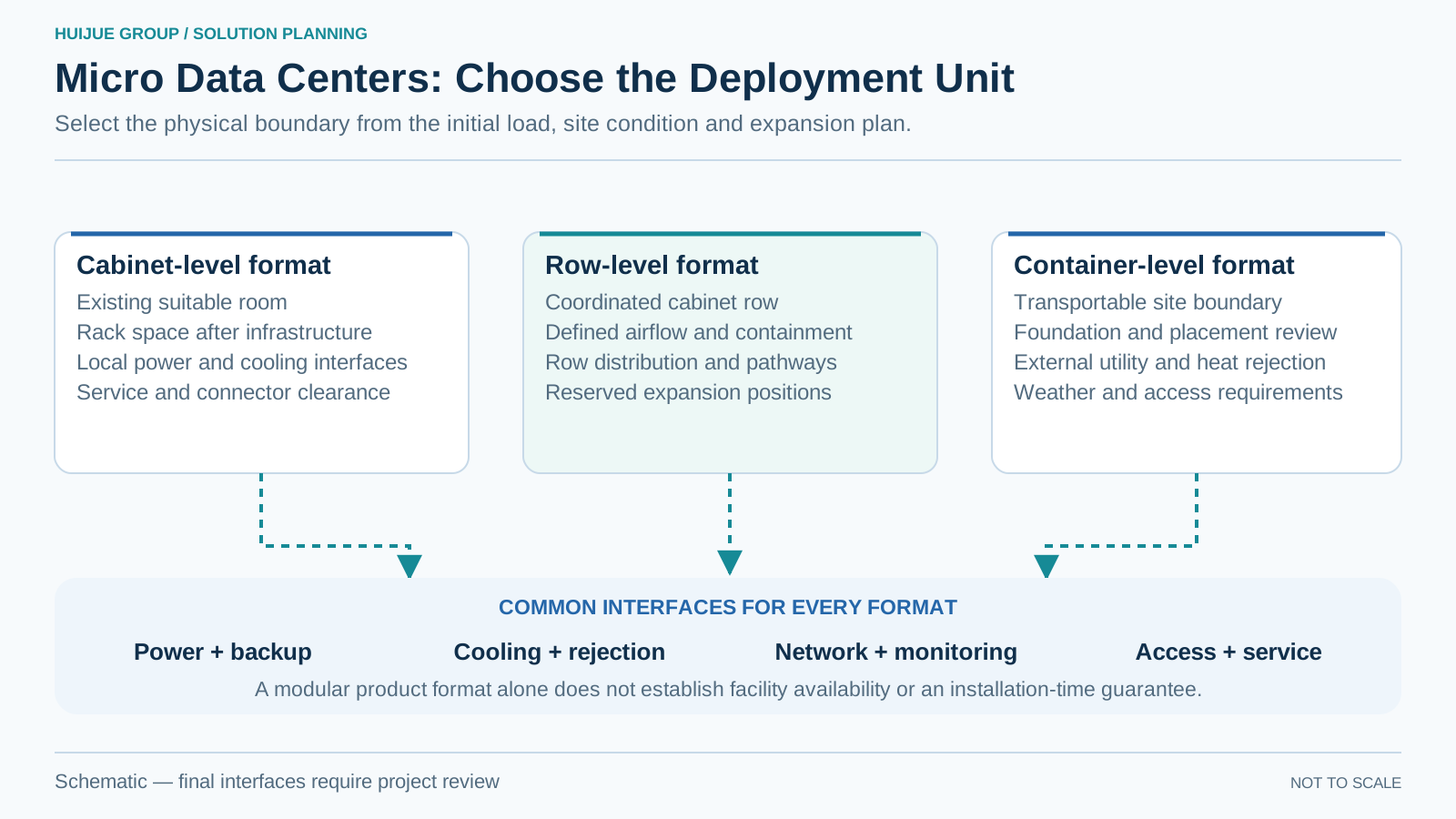
Choose a deployment unit from the site, not the product name
| Format | Typical planning situation | Critical interface |
|---|---|---|
| Cabinet level | A small IT installation within a suitable existing room | Usable rack space after power/cooling components, maintenance clearance and room heat rejection |
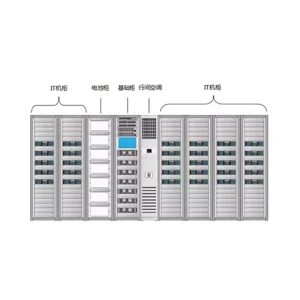
| Row level | Several coordinated cabinets with a defined airflow arrangement | Row power, cooling connections, containment and future rack positions |
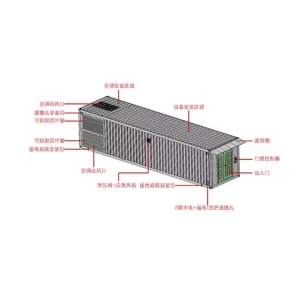
| Container level | A site without an appropriate conventional equipment room | Transport, lifting, foundation, weather exposure and external utility/cooling interfaces |
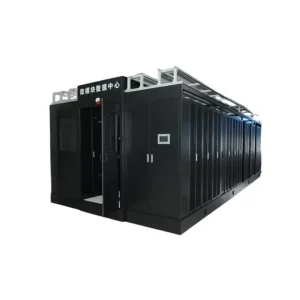
The HR1000 Cabinet-Level Micro Module Data Center provides a cabinet-level starting point. The HR2000 Row-Level Micro Module Data Center addresses a coordinated row. For a transportable installation boundary, review the HC Series Containerized Data Center. Final dimensions, capacity and redundancy are approved for the selected configuration, not inferred from the format alone.
Prepare four schedules before freezing the layout
- IT and rack schedule
- Record equipment depth, weight, rack units, airflow direction, power connections and initial/future load per rack. Infrastructure devices also occupy space and must appear in the elevation.
- Power schedule
- Identify incoming supply, UPS topology, battery duty, distribution branches, PDU input/outlet formats and the equipment that must stay powered during maintenance.
- Cooling schedule
- Record heat load, equipment inlet requirements, cooling arrangement, condensate route and where heat leaves the building or container. State the operating case with a cooling unit unavailable if redundancy is required.
- Interface and responsibility schedule
- Assign delivery, foundations, upstream electrical works, external cooling connections, fire interfaces, network links, commissioning and future expansion to named parties.
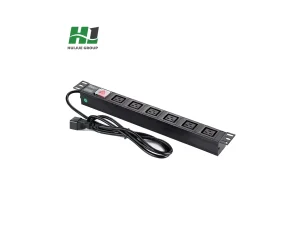
A rack Power Distribution Unit should be selected from the actual equipment plug and outlet schedule. A matching rack height does not prevent a PDU from obstructing rear connectors or airflow. Containment components such as the Standard Cold Aisle Containment System likewise need coordination with the room cooling path, cabinet geometry and fire-system design.
Reserve expansion capacity in more than one dimension
A spare rack position is only usable if the upstream electrical supply, UPS, battery strategy, cooling, pathway and monitoring have a defined expansion route. Separate initial provision from final provision in the quotation. Some interfaces may be installed early because later work would be disruptive; other capacity can be added when the IT equipment is purchased. That balance is a project decision rather than an automatic feature of modular construction.
The delivery route can also determine the module boundary. Check door openings, lifts, corridors, turning space, floor load and lifting access before committing to a factory-assembled unit. Container projects additionally need a transport and site-placement review. Do not use a generic deployment-time claim where site preparation and acceptance conditions are still unknown.
What factory integration should hand over
Huijue Group can review coordinated cabinet and accessory manufacture, OEM identity, private labels and production from approved equipment layouts, samples or drawings. The handover package should include rack elevations, electrical drawings, cooling interfaces, cable-entry details, sensor locations, settings and the agreed test records. Third-party IT equipment, upstream services and site construction should be listed as included or excluded, rather than hidden in a broad description of an integrated module.
Commissioning should connect each declared requirement to a check: physical fit, circuit identity, alarm routing, cooling operation and the defined failure or maintenance cases. Network and access permissions must be ready for remote supervision to be accepted. The data-center infrastructure project portfolio illustrates why cabinet, distribution and containment scope can vary substantially between facilities.
Questions that change the configuration
Does a micro-module remove the need for room cooling design?
No. Heat removed from the IT equipment still needs an approved rejection path. Confirm room or outdoor-unit interfaces, permitted ambient conditions and condensate handling for the selected arrangement.
Can one standard configuration guarantee a particular availability tier?
No. A product format alone does not establish a facility classification. Power paths, cooling, maintenance access, operating procedures and any required assessment must be defined for the complete project.
What should be sent for an initial review?
Provide the site drawing, initial and future IT load, rack elevations, power topology, autonomy requirement, cooling conditions, access route, environmental limits and required monitoring or fire interfaces.
For a broader conventional equipment-room fit-out, compare Data Center & Network Infrastructure. Share the deployment boundary and equipment schedule to select the appropriate micro-modular format.
Product pathways
Related products
Use these products as configuration references. Final model selection depends on the approved project inputs.
Manufacturer support
Review the complete system before fixing the bill of materials
Huijue Group supports OEM, private-label and drawing-based customization subject to engineering review and the confirmed production scope.