
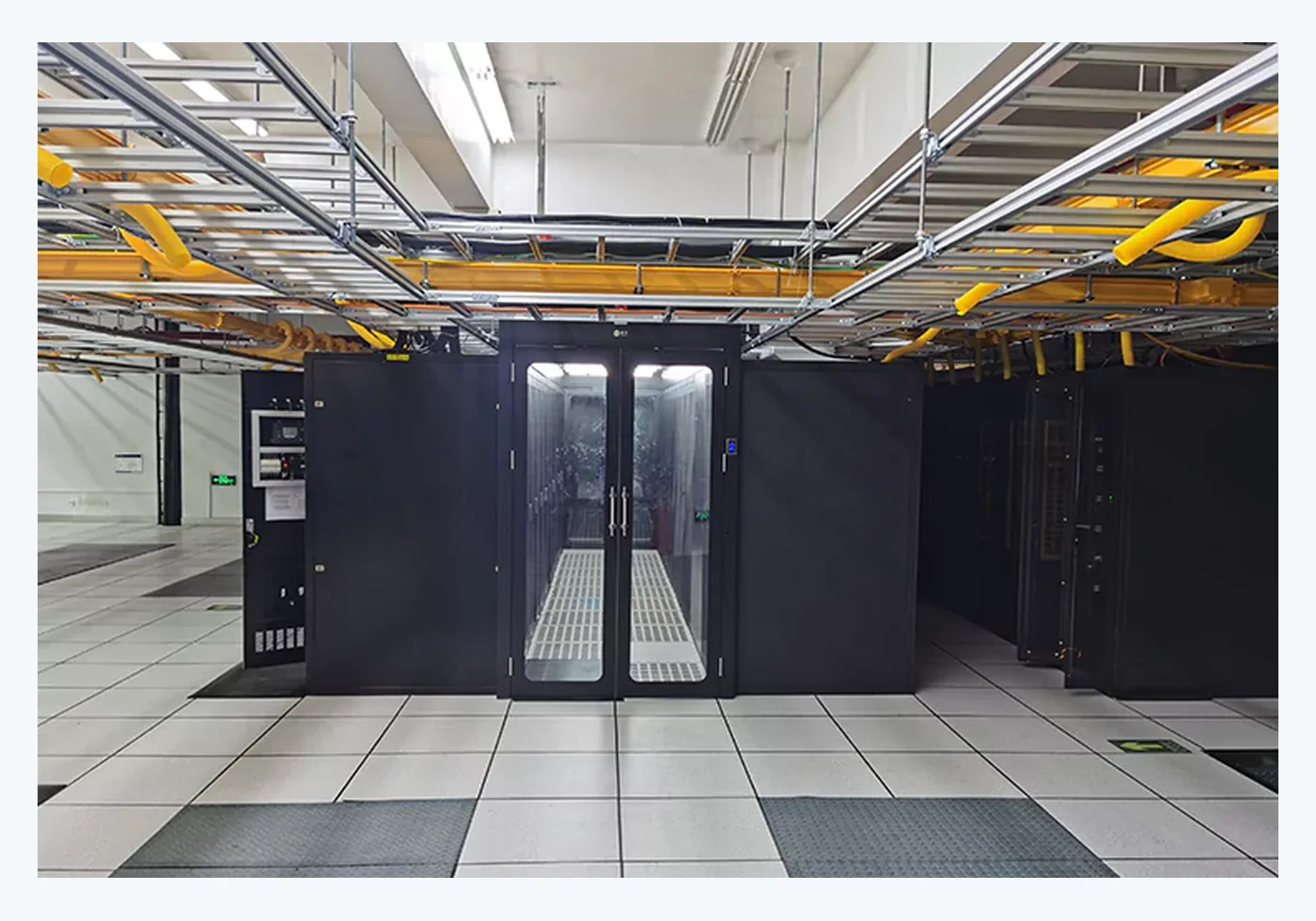
Telecom Power Solutions
Telecom Site Power & Backup
Configure rectification, AC/DC distribution, battery backup, protection, environmental control and monitoring around the real telecom load and required autonomy.
Planning and configuration
Solution overview
A telecom power system has to support the communications load through normal supply conditions, input disturbances and the defined backup period. That requirement connects the AC entrance, surge protection, rectifier capacity, DC distribution, battery system, thermal environment and monitoring. Selecting any one of those items without the others can leave a site with adequate nameplate power but poor autonomy, protection coordination or service access.
Huijue Group configures telecom site power and backup products from a project load schedule. The scope can support a new base station, equipment-room expansion, replacement of an aging DC plant, compact wall- or pole-mounted site, or a protected outdoor cabinet. Final ratings and interfaces are established in the approved project specification.
Build the load model first
The required inputs are more detailed than a single total wattage. List each radio, transmission, router, monitoring, cooling and auxiliary load with its nominal voltage, continuous power, start-up or peak demand and priority during an outage. Identify loads that require uninterrupted support, loads that may be shed after a delay and non-critical loads that can remain unavailable. This hierarchy informs rectifier redundancy, distribution branches and battery sizing.
Existing sites should also document the installed breaker ratings, cable sizes, battery condition and available rack space. A measured load profile is preferable when equipment use varies during the day. New sites can use the vendor equipment schedule with a stated design margin and future expansion allowance.
Core system functions
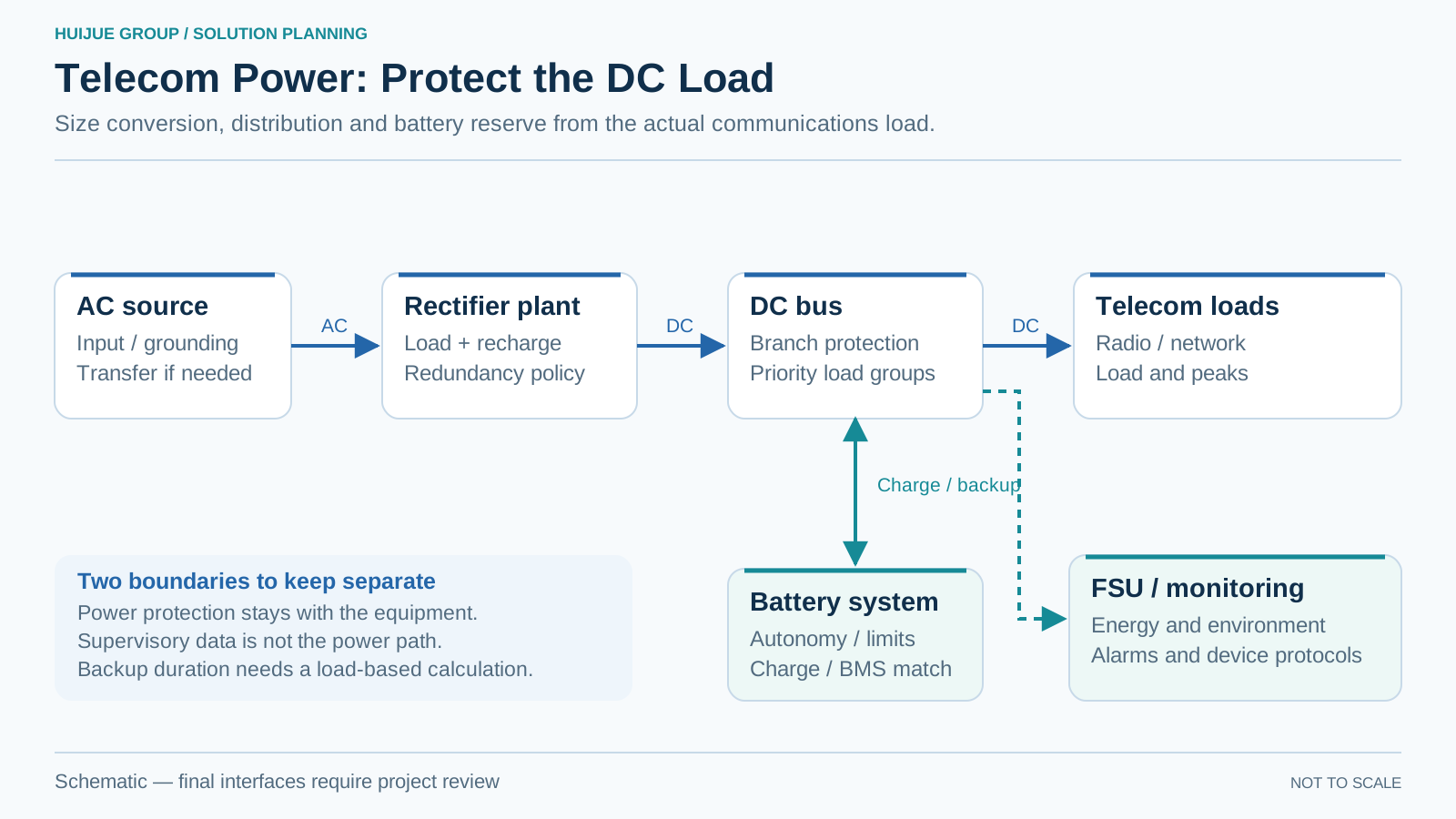
- AC entrance and protection
- Match voltage, phases, frequency, available capacity, transfer arrangement, grounding and surge-protection coordination.
- DC conversion
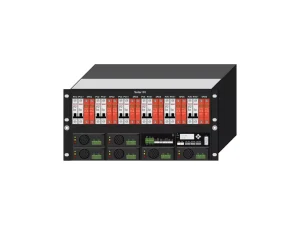
- Size rectifier modules and frame capacity for the operating load, battery recharge and the chosen redundancy policy.
- DC distribution
- Separate priority groups, record breaker or fuse requirements and confirm conductor termination space.
- Backup storage
- Calculate battery energy from load, autonomy, usable capacity, discharge limit, temperature and aging assumptions.
- Monitoring
- Define power, battery and environmental points, alarm thresholds, communication protocol and the system responsible for receiving alarms.
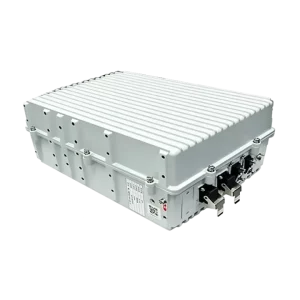
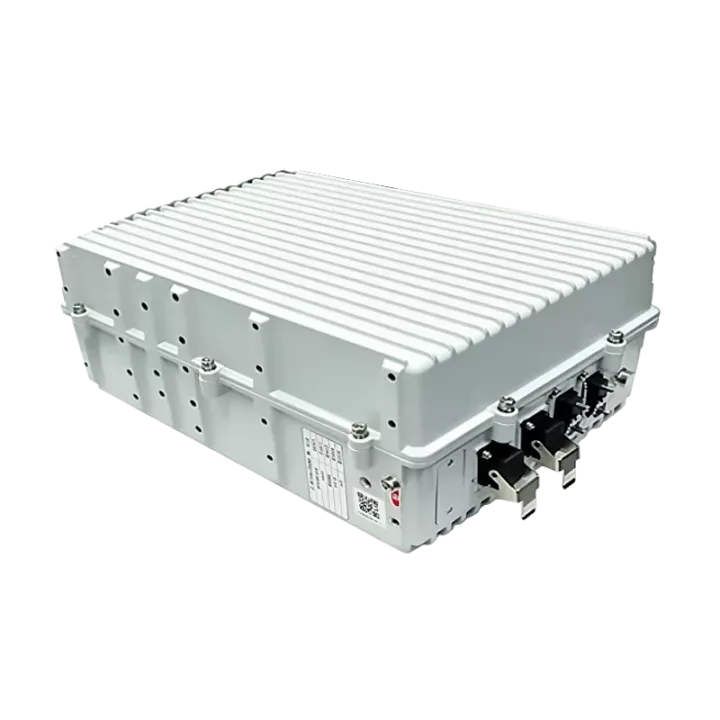
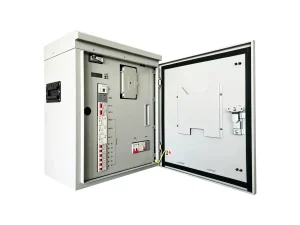
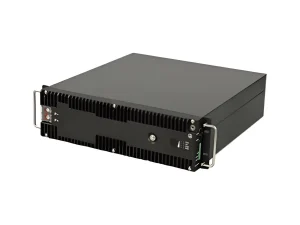
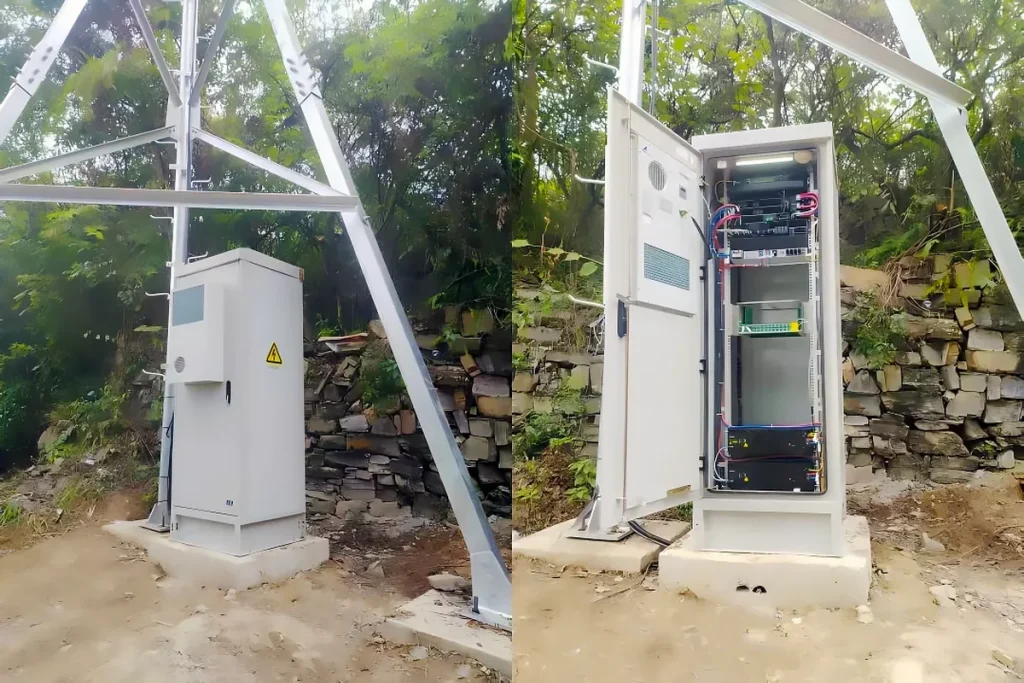
A compact deployment may use a compact outdoor 48 V telecom power box. A larger or more integrated project may place rectification, distribution and controls inside an outdoor integrated power supply. Product family names do not determine capacity; the equipment schedule and site drawing do.
Battery selection is an autonomy decision
Battery voltage and ampere-hour capacity must be compatible with the DC plant, but those values alone do not establish backup performance. Required autonomy, continuous and peak discharge current, allowable depth of discharge, charging settings, ambient temperature, parallel architecture and end-of-life margin all matter. Rack dimensions and service access should also be confirmed before choosing a module such as the regular communication backup lithium battery or its monitored counterpart.
Where new batteries must interact with an existing rectifier or controller, confirm charge voltage, low-voltage disconnect behavior and BMS communication. Mixing battery ages, chemistries or control methods requires a specific engineering review; it should not be assumed from physical fit.
Power-source expansion
Sites with unstable utility supply or a future renewable-energy phase can reserve interfaces for photovoltaic, generator or additional battery inputs. The 4G/5G multi-source hybrid power system is relevant when more than one source must be coordinated. Source priority, changeover logic, protection and monitoring must be documented for the particular site. A conventional grid-plus-battery plant may remain the simpler and more maintainable choice where grid quality is good.
Outdoor integration and maintenance
When the power system is installed outdoors, thermal control and enclosure layout are part of the electrical design. Batteries, rectifiers and telecom equipment may require different temperature zones. Cable entry must preserve the enclosure seal while allowing bending radius and safe termination. Doors, removable panels and working clearance should permit module replacement without disconnecting unrelated circuits.
Huijue Group can review cabinet layout, busbars, branch schedules, cable entry, labels, monitoring devices and OEM appearance from customer drawings or samples. Any customized configuration remains subject to engineering confirmation, production feasibility and agreed inspection requirements.
An operating indoor room needs a migration plan as well as new equipment: see indoor telecom power modernization. Where the electrical plant is already defined, the site energy and environmental monitoring guide helps turn equipment data into owned alarms and maintenance actions.
Information required for quotation
- Site type and indoor or outdoor installation
- Input voltage, phases, frequency and grid condition
- Continuous, peak and future DC load schedule
- Priority and load-shedding groups
- Target backup duration and battery preference
- Available rack or cabinet dimensions
- Required AC and DC outgoing circuits
- Generator, photovoltaic or other source interfaces
- Ambient temperature, altitude and environmental exposure
- Monitoring protocol, alarm points and remote platform
Send the load and autonomy brief for a project-specific power and backup review.
Product pathways
Related products
Use these products as configuration references. Final model selection depends on the approved project inputs.
Manufacturer support
Review the complete system before fixing the bill of materials
Huijue Group supports OEM, private-label and drawing-based customization subject to engineering review and the confirmed production scope.